Introduction
Diabetic vasculopathy is one of the fatal chronic complications, including lesions in great vessels and capillaries of the heart, and peripheral vessels. Its pathogenesis includes multiple factors involved in different mechanisms, of which endothelial dysfunction is an early critical incident resulting in atherosclerosis [1], which is also a pathophysiological basis of diabetic vasculopathy. Therefore, improving or delaying endothelial dysfunction is an important approach to the prevention and treatment of diabetic vascular complications. Inflammation-mediated endothelial cell senescence, damage, dysfunction and oxidative stress are all involved in the formation of various cardiovascular diseases [2]. When vascular inflammation occurs, B lymphocytes, T lymphocytes and mononuclear-macrophages will be activated to produce a large amount of interleukin (IL)-6 and tumor necrosis factor (TNF)-α, which are two important inflammatory factors closely linked to the inflammatory response. TNF-α can induce the formation of IL-6, and IL-6 can induce vascular endothelial cell damage. El Habashy et al. [3] reported that TNF-α could regulate endothelial cell injury and remodeling via the nuclear factor-κB (NF-κB) pathway. Moreover, TNF-α could change endothelial cells’ morphological and biological properties, while the endothelial cells at the junction would become longer and thinner in response to TNF-α [4]. In vitro cell studies have shown that TNF-α can promote endothelial cell apoptosis by regulating NF-κB and phosphatidylinositol-3-kinase pathways [5].
Al-Rasheed et al. [6] found that vitamin D (Vit. D) could reduce the expression of TNF-α by inhibiting the NF-κB/p65 pathway, thus playing a crucial role in preventing or reducing cardiac hypertrophy and cardiovascular diseases, but further research is still needed for other pathways conducive to supporting a healthy heart. According to the research results of Sahar [7], Vit. D could significantly down-regulate the myocardial poly ADP-ribose polymerase, cyclooxygenase-2, TNF-α, IL-6, caspase-3, Bax and p53, and reduce the infiltration of inflammatory cells in the myocardium, so as to protect cardiomyocytes and vascular endothelial cells. The myocardial cells of diabetic rats could be protected by improving hyperglycemia, dyslipidemia, an unbalanced REDOX process, inflammatory response and apoptosis, and the probability of acute myocardial infarction could be reduced. Nevertheless, the role and related mechanism of Vit. D in vascular endothelial injury caused by diabetes are still unclear.
RNA is not merely the messenger of information communication between proteins and DNA, and the essence of transcription is to generate all information of the eukaryotic genome into abundant non-coding RNA, which shows complex overlapping models of expression and regulation [8–10]. It has been found that lncRNA is closely related to the occurrence of many tumors, such as lung cancer [11], gastric cancer [12], etc. Moreover, lncRNA shows an obvious correlation with the occurrence of immune system diseases [13], and the expression of various lncRNA has complex changes in the occurrence of pancreatic islet cell injury and diabetes [13, 14]. Also, a previous study found that lncRNA MEG3 plays an important role in glucose-induced endothelial cell dysfunction [15]. There is no specific report about the role of LncRNA in diabetic vascular endothelial injury.
Diabetic vascular endothelial damage was simulated by using high glucose induced human umbilical vein endothelial cells (HUVECs). First, intervention was performed with Vit. D of different concentrations and the changes of related lncRNA and signaling pathways were analyzed, and then in vitro cell research was conducted to investigate the role of lncRNA MEG3 in Vit. D improving the vascular endothelial injury caused by high glucose.
Material and methods
Experimental materials
HUVECs were purchased from ScienCell, USA; DMEM low-sugar medium was purchased from Gibco, Batch No.: 1139385; ECM (containing ECGS, fetal bovine serum, penicillin, streptomycin solution) was purchased from ScienCell, Batch No.: 20285; Fetal bovine serum was purchased from PAN-Biotech, German, Batch No.: P130912; D(+)- glucose was purchased from Sigma, Batch No.: WXBBll63V; Trypsin was purchased from Amresco, Batch No.: 2533C173; TNF-α, IL-1β and IL-6 ELISA kits and shRNA-NC (shRNA-negative control) and sh-MEG3 were purchased from KeyGen BioTech (Nanjing, China).
A CO2 incubator (HF240, Heal Force); Clean bench (SW-CJ-2FD, Suzhou Antai Airtech Co., Ltd.); Inverted microscope (CX31, Olympus, Japan); Ultrapure water machine (Milli Q, Millipore, USA); and ELIASA (Sunrise, Tecan, Switzerland) were used.
Cell culture
HUVECs were inoculated in a 6-well-plate at 1 × 10⁴/well and cultured in the low glucose (5.5 mmol/l glucose) DMEM medium. The cells were placed in an incubator containing 5% CO2 at 37°C and saturated humidity for routine culture, and the cells were subcultured after 70% to 80% fusion.
Experimental grouping
The whole experiment was divided into two parts: part I: NC group (normal glucose concentration, 5.5 mmol/l); high glucose model group (33 mmol/l) [16]; Vit. D intervention group (intervention with 1 μg/l, 2 μg/l, and 10 μg/l Vit. D (Sigma, USA)). Part II: NC group; model group; shRNA-N group (treated with high glucose after transfection with shRNA-NC); Vit. D group (high-glucose treatment and 10 μg/l Vit. D intervention); Vit. D + sh-MEG3 (high-glucose treatment and 10 μg/l Vit. D intervention after transfection with shRNA-MEG3).
Cell transfection involved adding HUVECs to a 12-well plate at 1 × 10⁴/well, using DMEM medium with 5.5 mmol glucose/l (normoglycemic medium) to culture, when the cell fusion rate was 30–50%, adding 100 nmol/l shRNA-NC or sh-MEG3 and 5 μl of Lipofectamine into a 12-well plate to transfect, and continuing to culture for 48 h in DMEM medium with 5.5 mmol glucose/l (normoglycemic medium). Then the next experiment was carried out.
Vit. D treatment methods: except the NC group, the Model, shRNA-NC, different Vit. D treated groups and Vit. D + sh-MEG3 group were cultured with high glucose medium, and the Vit. D treated group and Vit. D + sh-MEG3 group were treated with Vit. D for 48 h. NC groups were treated with DMEM medium with 5.5 mmol glucose/l (normoglycemic medium)h.
RT-qPCR assay
After the cells were given corresponding treatment, Trizol was used to extract total RNA and perform reverse transcription reaction in two steps according to the instructions of the reverse transcription kit: Step 1. Ice cooling of RNA immediately after 5 min at 65°C; step 2. composition of reaction solution: 0.5 μl RT Enzyme Mix, 0.5 μl Primer Mix, 2 μl 5 × RT Buffer, 6 μl Nuclease-free Water, 1 μl RNA. Reaction conditions: 37°C, 15 min reverse transcription reaction to 98°C, 5 min enzyme inactivation reaction; real-time fluorescence quantitative PCR was conducted (primer design and synthesis were completed by Shanghai Invitrogen Biology Co., Ltd., Table I for details).
Table I
Primer sequences
Flow cytometry
The cells in each group were collected after corresponding treatment for 24 h, and then suspended in 500 μl of binding buffer, and PI and Annexin V-FITC dye solution were added. The apoptosis changes were detected by flow cytometry.
Elisa assay
The supernatant of cell culture medium in each group was collected, and the levels of TNF-α, IL-6 and IL-1β were detected by ELISA according to the kit instructions (Sigma, USA).
Western blotting (WB)
Protein decomposition and extraction of the cells in each group were performed on the ice, and the loading buffer was added, and the protein was boiled at 100°C for 10 min for degeneration after the protein concentration was determined by BCA kit; the proteins were loaded at 30 μg/well, separated with 10% (volume fraction) SDS-polyacrylamide gel electrophoresis (SDS–PAGE), transferred to polyvinylidene fluoride (PVDF) membrane, and covered with 5% skim milk for 2 h, and then the membranes were washed with TBST for 5 min 4 times, and cut according to the different target protein molecule mass needed and the molecular mass indicated by the marker. The primary antibodies were incubated in the incubation box at 4°C overnight: GAPDH, TLR4, MyD88 and NF-κB(p65) (Abcam, UK), and the membranes were washed with TBST for 5 min four times on the next day; the sheep anti-rabbit secondary antibodies were incubated at room temperature for 1 h, and the membranes were washed with TBST for 5 min 4 times. The ECL luminescent agent was added, the exposure imaging was carried out using the chemiluminescence imaging system, and the gray value of the strip was measured by Image J software. Semi-quantitative analysis of experimental groups was conducted to compare the relative expression level of each protein.
Immunofluorescence staining of cells
Cells were fixed with 4% polyformic acid for 60 min and washed with PBS for 3 times. Rabbit NF-κB(p65) monoclonal antibody (1 : 100) was added directly after blocking with 5% normal goat serum for 30 min and incubated at room temperature for 90 min. After washing with PBS 3 times, FITC-labeled goat anti-rabbit fluorescence secondary antibody (1 : 100) was added and incubated in a dark place at room temperature for 60 min. After washing with PBS 3 times, DAPI labeled nucleus was added, and incubated in a dark place at room temperature for 10 min. After washing with PBS 3 times, the amount of green fluorescence in the nucleus was observed under a fluorescence microscope. The DAPI labeled nuclei were blue under fluorescence microscopy.
Statistical analysis
SPSS 20.0 statistical software package was used for data processing. The measurement data were expressed as mean ± standard deviation (mean ± SD), the comparison between the two groups was completed with t-test, one-way ANOVA and χ2 analysis, and the enumeration data were expressed by the rate. P < 0.05 indicated a statistically significant difference.
Results
Vit. D depressed apoptosis and down-regulated cytokine concentration
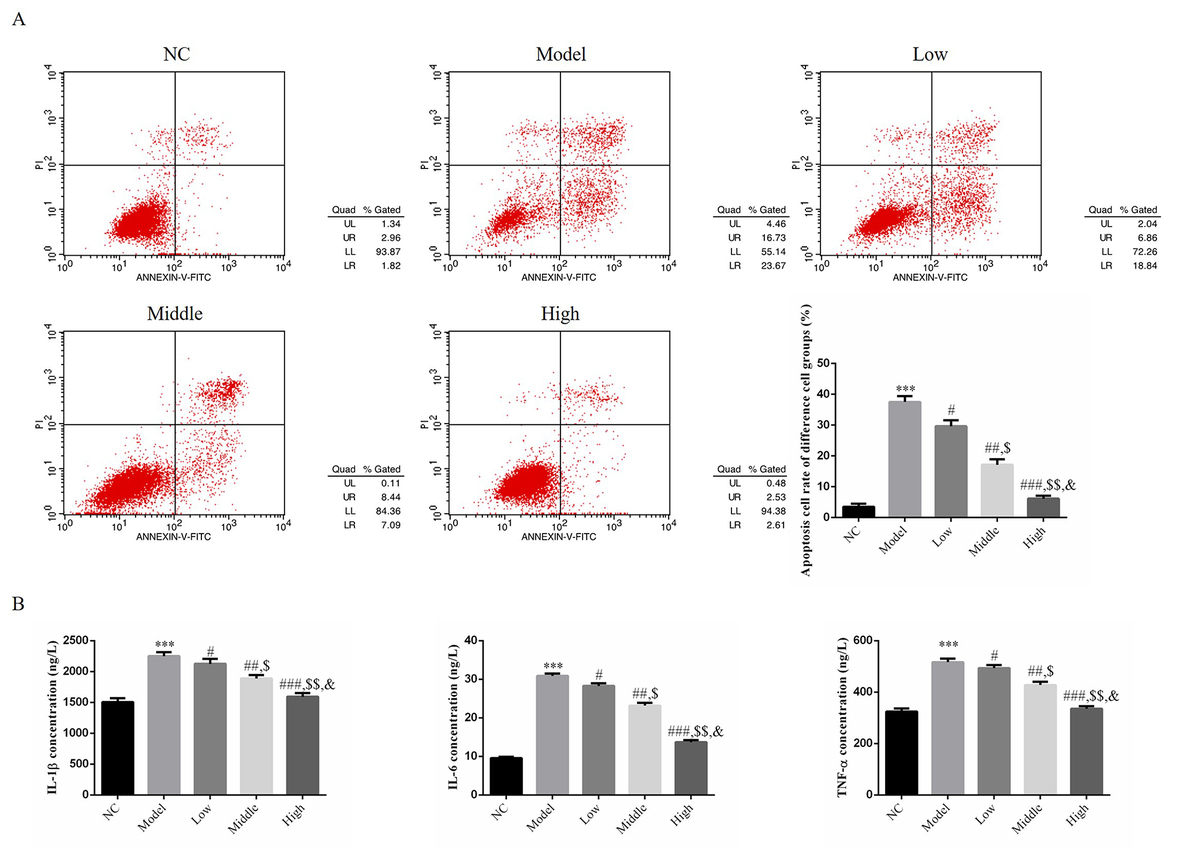
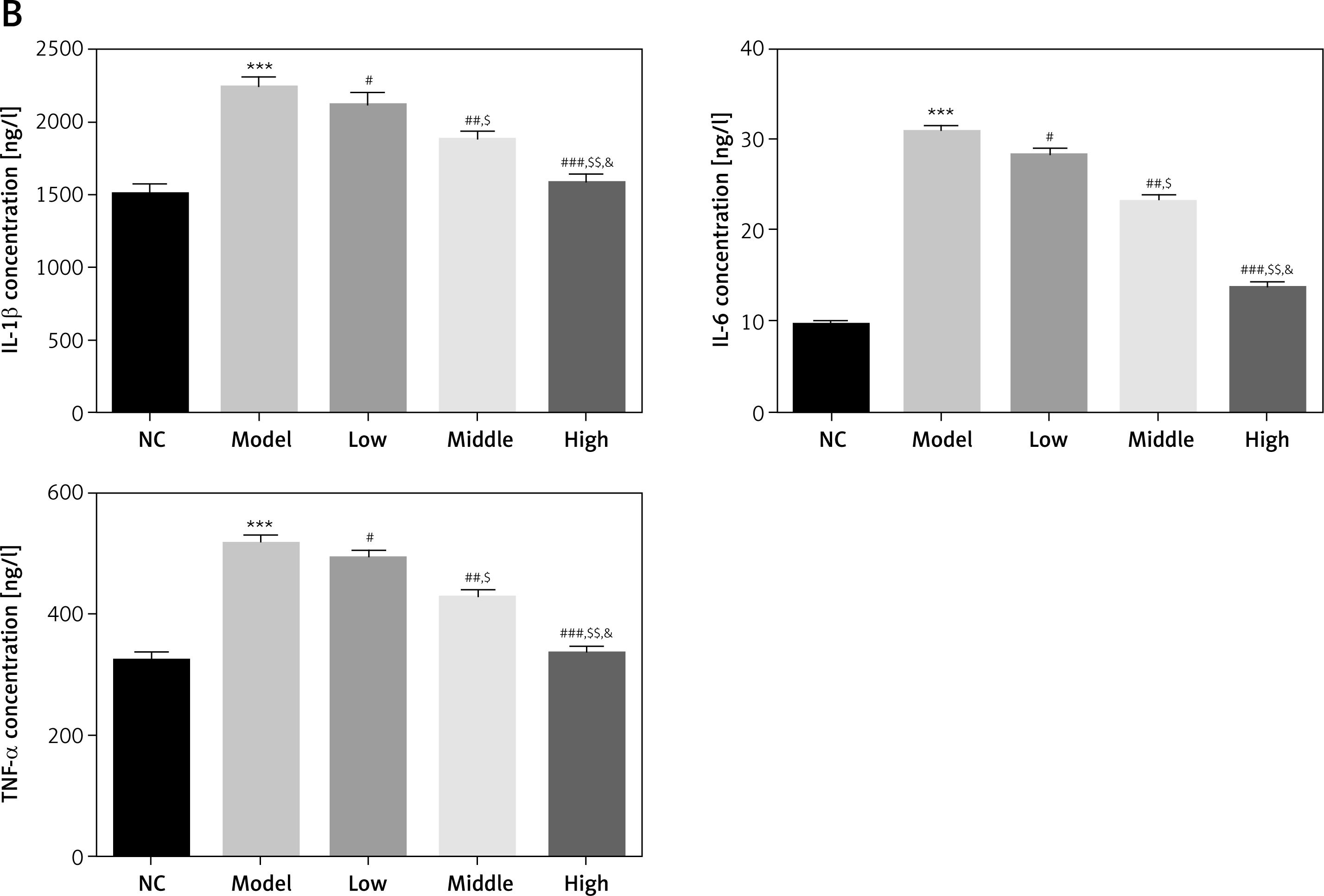
Figure 1 A shows that the cell apoptosis rate in the high-glucose Model group was significantly increased (p < 0.001) compared with the NC group. After intervention with different concentrations of Vit. D, the apoptosis rate of the Vit. D group was significantly inhibited compared with the Model group (all p < 0.05); moreover, there was a significant dose-effect relationship among different Vit. D groups (all p < 0.05). The ELISA results showed that the concentrations of TNF-α, IL-1β and IL-6 in the Model group were significantly increased compared with the NC group (all p < 0.001, Figure 1 B). After Vit. D intervention, the concentrations of TNF-α, IL-1β and IL-6 in the Vit. D intervention groups were significantly reduced compared with the Model group (all p < 0.05, Figure 1 B), and there were significant differences among different Vit. D groups (all p < 0.05).
Figure 1
Effects of Vit. D on apoptosis and cytokine concentration. A – Apoptosis rate of different groups B – Apoptosis rate of different groups
NC – HUVECs treated with normal culture medium with normal glucose concentration, Model – HUVECs treated with high glucose, Low – HUVECs treated with high glucose and low-dose Vit. D, Middle – HUVECs treated with high glucose and middledose Vit. D, High – HUVECs treated with high glucose and high-dose Vit. D. ***P < 0.001, compared with NC group; #p < 0.05, ##p < 0.01, ###p < 0.001, compared with Model group; $p < 0.05, $$P < 0.01, compared with Low group; &p < 0.05, compared with Middle group.
Effects of Vit. D on expression of related genes (lncRNA MEG3, TLR4, MyD88 and NF-κB(p65)) and proteins (TLR4, MyD88 and NF-κB(p65))
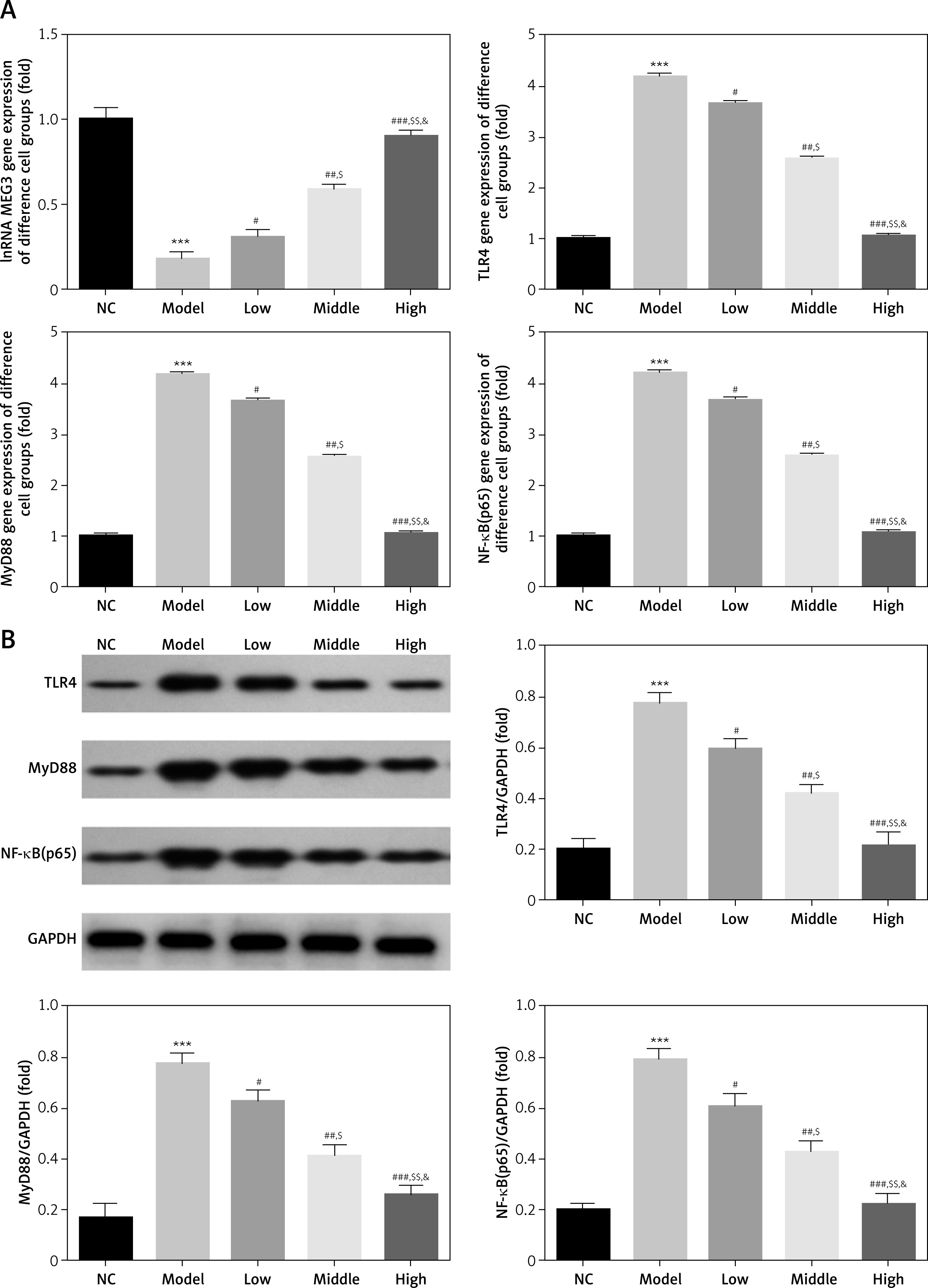
By RT-qPCR, the expression of the lncRNA MEG3 gene was significantly reduced, and the expression levels of TLR4, MyD88 and NF-κB(p65) genes were significantly increased in the Model group compared with the NC group (all p < 0.001, Figure 2 A). After intervention with Vit. D of different concentrations, the expression of the lncRNA MEG3 gene in the Vit. D intervention group was significantly increased, and the expression levels of TLR4, MyD88 and NF-κB(p65) genes were significantly decreased compared with the Model group (all p < 0.05, Figure 2 A). Moreover, there was a significant dose-effect relationship among different Vit. D groups in the expression of lncRNA MEG3, TLR4, MyD88 and NF-κB(p65) genes (all p < 0.05, Figure 2 A). WB detection showed that the expression levels of TLR4, MyD88 and NF-κB(p65) in the Model group were significantly increased compared with the NC group (all p < 0.001, Figure 2 B). After intervention with Vit. D of different concentrations, the expression levels of TLR4, MyD88 and NF-κB(p65) proteins were significantly reduced compared with the Model group (all p < 0.05, Figure 2 B).
Figure 2
Effects of Vit. D on expression of related genes and proteins. A – Relative gene expression in different groups by RT-qPCR assay. B – Relative protein expressions by WB assay
NC – HUVECs treated with normal culture medium with normal glucose concentration, Model – HUVECs treated with high glucose, Low – HUVECs treated with high glucose and low-dose Vit. D, Middle – HUVECs treated with high glucose and Middledose Vit. D, High – HUVECs treated with high glucose and high-dose Vit. D. ***P < 0.001, compared with NC group; #p < 0.05, ##p < 0.01, ###p < 0.001, compared with Model group; $p < 0.05, $$p < 0.01, compared with Low group; &p < 0.05, compared with Middle group.
Effects of Vit. D on NF-κB(p65) nuclear volume
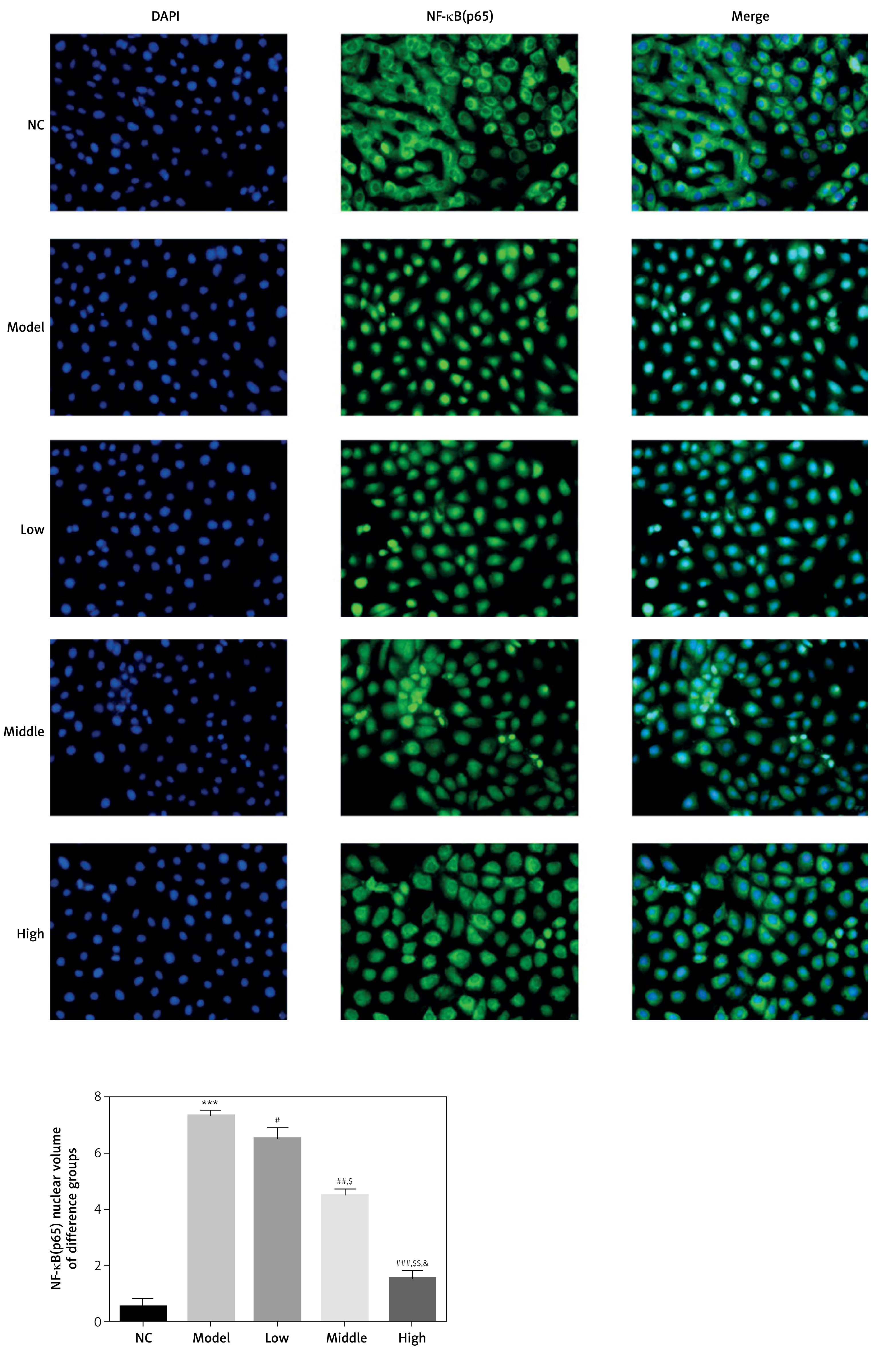
According to the cell immunofluorescence detection results, NF-κB(p65) nuclear volume of the Model group was significantly increased compared with the NC group (all p < 0.001, Figure 3). After intervention with different concentrations of Vit. D, the amount of nuclear import of NF-κB(p65) protein in Vit. D group was significantly inhibited compared with the Model group (all p < 0.05, Figure 3); moreover, there was a significant difference in the amount of nuclear import of NF-κB(p65) among different Vit. D groups (all p < 0.05, Figure 3).
Figure 3
Effects of Vit. D on the nuclear import of NF-κB(p65)
NC – HUVECs treated with normal culture medium with normal glucose concentration, Model – HUVECs treated with high glucose, Low – HUVECs treated with high glucose and low-dose Vit. D, Middle – HUVECs treated with high glucose and Middle-dose Vit. D, High – HUVECs treated with high glucose and high-dose Vit. D. ***P < 0.001, compared with NC group; #p < 0.05, ##p < 0.01, ###p < 0.001, compared with Model group; $p < 0.05, $$p < 0.01, compared with Low group; &p < 0.05, compared with Middle group.
Vit. D improved high glucose-induced vascular endothelial injury via lncRNA MEG3
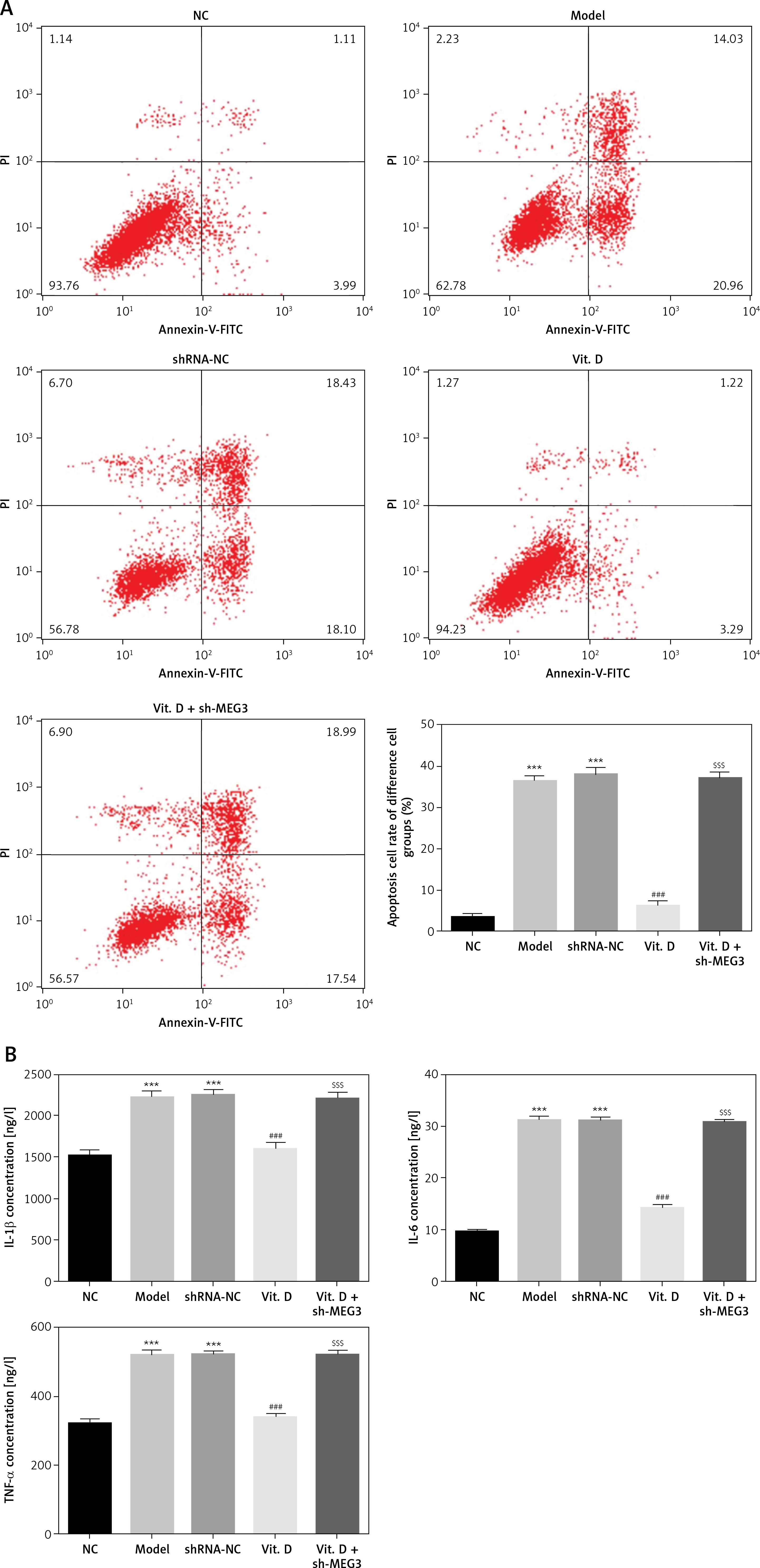
Flow cytometry results showed that the apoptosis rates in the Model group and shRNA-NC group were significantly increased (p < 0.001, respectively) compared with the NC group, and the apoptosis rate in the Vit. D group was significantly inhibited (all p < 0.001, Figure 4 A) compared with the Model group. After transfection with the lncRNA MEG3 inhibitor sh-MEG3, the apoptosis rate in the Vit. D + sh-MEG3 group was significantly higher than that in the Vit. D group (p < 0.001, Figure 4 A). The ELISA results showed that the concentrations of TNF-α, IL-1β and IL-6 in the Model group and shRNA-NC group were significantly higher than those in the NC group (all p < 0.001, Figure 4 B); the concentration levels of TNF-α, IL-1β and IL-6 in the Vit. D group were significantly reduced compared with the Model group (all p < 0.001, Figure 4 B); after transfection with the lncRNA MEG3 inhibitor sh-MEG3, the concentrations of TNF-α, IL-1β and IL-6 in the Vit. D + sh-MEG3 group were significantly higher than those in the Vit. D group (all p < 0.001, Figure 4 B).
Figure 4
Role of lncRNA MEG3 in Vit. D improving the high glucose-induced vascular endothelial injury. A – Apoptosis rate of different groups B – Inflammatory factors in different groups
NC – HUVECs treated with normal culture medium with normal glucose concentration, Model – HUVECs treated with high glucose, shRNA-NC – HUVECs treated with high glucose and transfected with shRNA-NC, Vit. D – HUVECs treated with high glucose and treated with Vit. D, Vit. D + sh-MEG3 – HUVECs treated with high glucose and treated with sh-MEG3. ***P < 0.001, compared with NC group; ###p < 0.001, compared with Model group; $$$p < 0.001, compared with Vit. D group.
Effects of lncRNA MEG3 knockdown on expression of related genes (lncRNA MEG3, TLR4, MyD88 and NF-κB(p65)) and proteins (TLR4, MyD88 and NF-κB(p65))
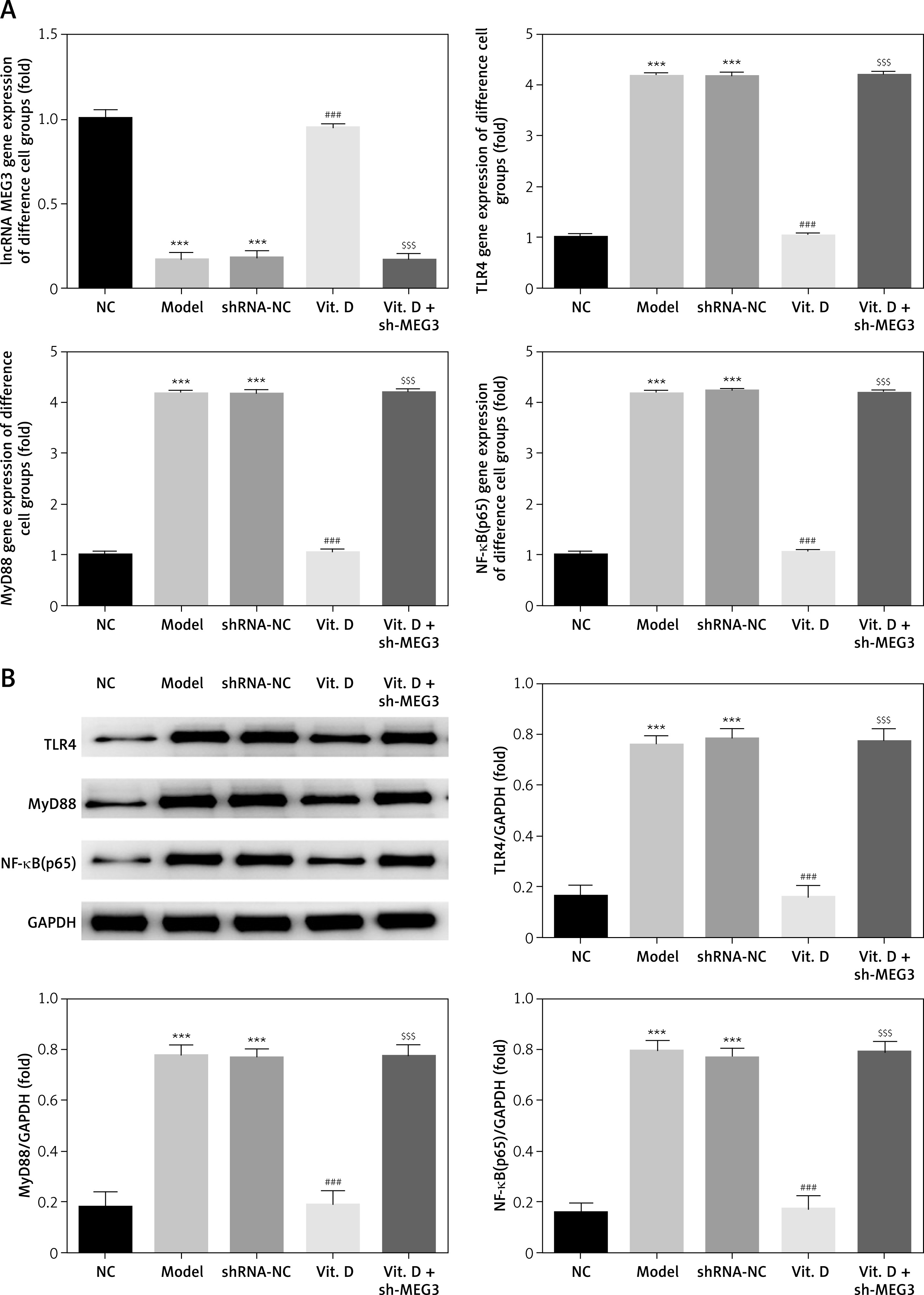
According to RT-qPCR results, the expression levels of lncRNA MEG3 genes in the Model group and shRNA-NC group were significantly decreased compared with the NC group, while the expression levels of TLR4, MyD88 and NF-κB(p65) were significantly increased (all p < 0.001, Figure 5 A). After Vit. D intervention, the expression level of the lncRNA MEG3 gene in the Vit. D group significantly increased compared with the Model group, while those of TLR4, MyD88 and NF-κB(p65) were significantly decreased (all p < 0.001, Figure 5 A); after transfection with the lncRNA MEG3 inhibitor sh-MEG3, the expression level of MEG3 in the Vit. D + sh-MEG3 group was significantly reduced compared with that in the Vit. D group, while the expression levels of TLR4, MyD88 and NF-κB(p65) were significantly increased (all p < 0.001, Figure 5 A). The results of WB detection showed that the expression levels of TLR4, MyD88 and NF-κB(p65) in the Model group and shRNA-NC were significantly increased compared with the NC group (all p < 0.001, Figure 5 B); after intervention with Vit. D, the expression levels of TLR4, MyD88 and NF-κB(p65) in the Vit. D group were significantly reduced compared with the Model group (all p < 0.001, Figure 5 B); after transfection with the lncRNA MEG3 inhibitor sh-MEG3, the expression levels of TLR4, MyD88 and NF-κB(p65) in the Vit. D + sh-MEG3 group were significantly higher than those in the Vit. D group (all p < 0.001, Figure 5 B).
Figure 5
Effects of lncRNA MEG3 knockdown on expression of related genes (lncRNA MEG3, TLR4, MyD88 and NF-κB(p65)) and proteins (TLR4, MyD88 and NF-κB(p65)). A – Relative gene expressions in different groups by RT-qPCR assay. B – Relative protein expression by WB assay
NC – HUVECs treated with normal culture medium with normal glucose concentration, Model – HUVECs treated with high glucose, shRNA-NC – HUVECs treated with high glucose and transfected with shRNA-NC, Vit. D – HUVECs treated with high glucose and treated with Vit. D, Vit. D + sh-MEG3 – HUVECs treated with high glucose and treated with sh-MEG3. ***P < 0.001, compared with NC group; ###p < 0.001, compared with Model group; $$$p < 0.001, compared with Vit. D group.
Effect of lncRNA MEG3 knockout on the amount of nuclear import of NF-κB(p65)
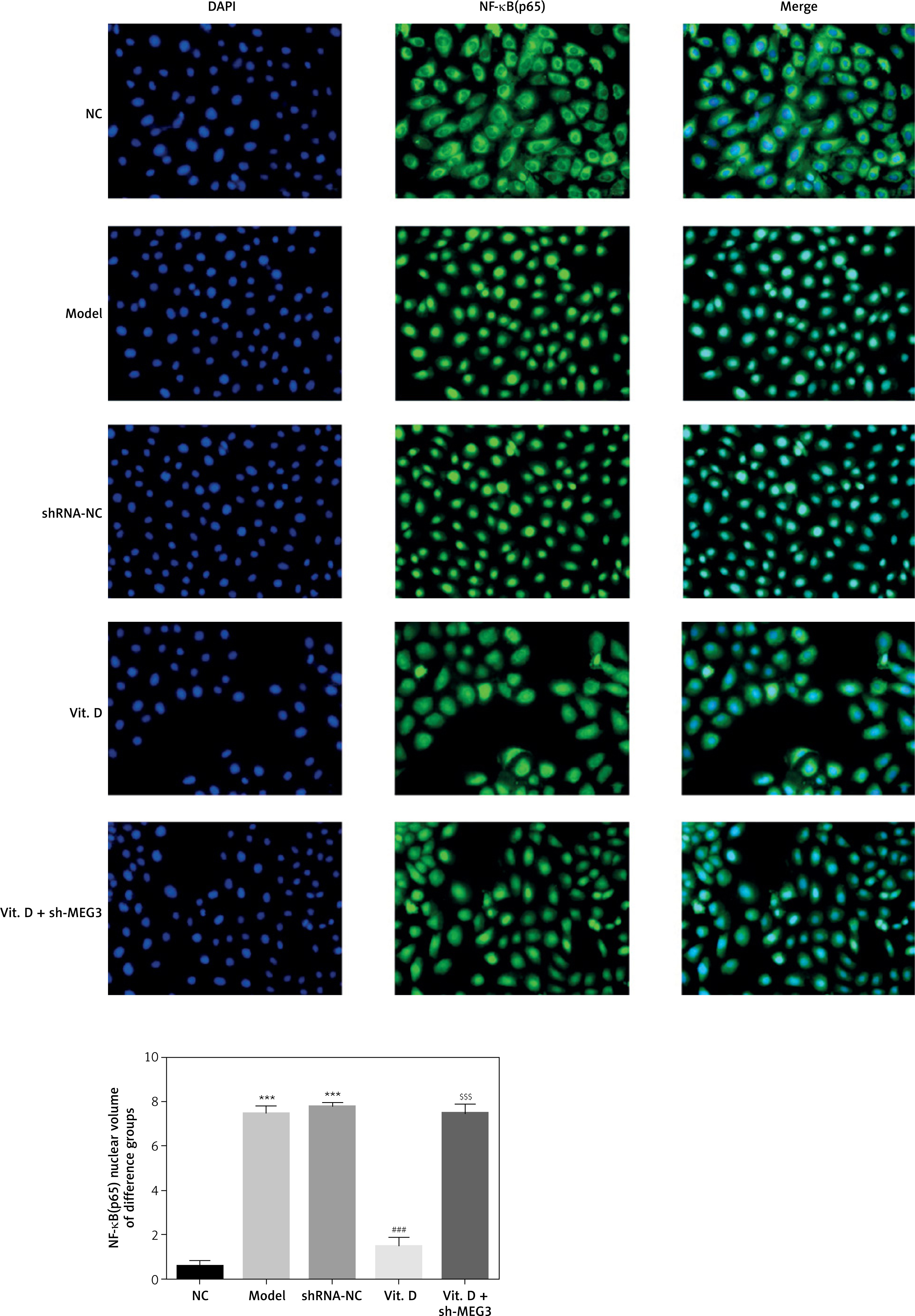
Compared with the NC group, the amount of nuclear import of NF-κB(p65) in the Model group and shRNA-NC group was significantly increased (both p < 0.001, Figure 6); compared with the Model group, the amount of nuclear import of NF-κB(p65) in the Vit. D group was significantly decreased after Vit. D intervention (p < 0.001, Figure 6); after transfection with the lncRNA MEG3 inhibitor sh-MEG3, the amount of nuclear import of NF-κB(p65) protein in the Vit. D + sh-MEG3 group was increased significantly (p < 0.001, Figure 6).
Figure 6
Effect of lncRNA MEG3 knockout on the amount of nuclear import of NF-κB (p65)
NC – HUVECs treated with normal culture medium with normal glucose concentration, Model – HUVECs treated with high glucose, shRNA-NC – HUVECs treated with high glucose and transfected with shRNA-NC, Vit. D – HUVECs treated with high glucose and treated with Vit. D, Vit. D + sh-MEG3 – HUVECs treated with high glucose and treated with sh-MEG3. ***P < 0.001, compared with NC group; ###p < 0.001, compared with Model group; $$$p < 0.001, compared with Vit. D group.
Discussion
Many factors are involved in the complex pathogenesis of diabetic vasculopathy, among which the vascular endothelial cell injury caused by high glucose is the main initiator of the occurrence of vascular complications [17]. High glucose can not only cause apoptosis of vascular endothelial cells, but also activate the NF-κB pathway of endothelial cells, resulting in increased expression of TNF-α, ICAM-1, MCP-1 and other inflammatory factors, which will further aggravate the cell damage induced by high glucose [18]. Therefore, the most effective strategy to prevent and cure the occurrence of diabetic vascular complications theoretically is to control blood glucose level, but clinical studies have found that the problem of low glucose control efficiency is prevalent in diabetic patients [19]. While emphasizing the study of blood glucose control, it is of great practical significance for the control of diabetic vascular complications to actively explore the prevention and treatment measures for high glucose induced vascular endothelial cell injury. It was found in this research that the rise of inflammation factors and apoptosis caused by high glucose were significantly inhibited after Vit. D intervention, and there is a significant concentration-response relationship; in order to explore the specific action mechanism, relative mRNA expression levels were measured, and the results showed that lncRNA MEG3 was significantly increased, while depressing the TLR4/MyD88/NF-κB(p65) pathway.
Related research results have shown that lncRNAs have a key role in complications caused by diabetes [20–22]. LncRNA MEG3 is a newly discovered lncRNA, and some studies reported that lncRNA MEG3 has abnormal expression in a variety of diseases and plays an important role in the treatment of a variety of diseases [23–25]. Our present study found Vit. D had depressed high-glycemic-induced vascular endothelial cell apoptosis via increasing lncRNA MEG3. Therefore, it could be concluded that the improvement of high glucose-induced vascular endothelial injury by Vit. D might be related to the increased expression of lncRNA MEG3. Meanwhile, studies have demonstrated that lncRNA MEG3 could effectively inhibit the anti-inflammatory effect of TLR4 pathway [26, 27]. After the knockout of lncRNA MEG3, it was found that the apoptosis rate and TNF-α, IL-6 and IL-1β were significantly increased, and the improvement effect of Vit. D significantly disappeared; therefore, it could be concluded that Vit. D might play a role in diabetic vascular endothelial injury through lncRNA MEG3.
Induced by high glucose, the inflammatory signal of HUVEC cells was transmitted to the cells through TLR4 [28, 29], which stimulated a large amount of NF-κB(p65) transcription factors to be transferred into the nucleus, and led to the secretion of a large amount of TNF-α, IL-6 and IL-1β cytokines, thus initiating the inflammatory response [30, 31]. The previous research just researched Vit. D’s effects in inflammation improvement, however, the effects and relative mechanisms of Vit. D on diabetic vascular endothelial injury have been unclear. The results of this study demonstrated that, after Vit. D intervention, the amount of nuclear import of NF-κB(p65) was significantly inhibited with the inhibition of the TLR4/MyD88/NF-κB(p65) pathway; nevertheless, after the knockout of lncRNA MEG3, it was found that the improvement effect of Vit. D on diabetic vascular endothelial injury disappeared, and the amount of nuclear import of NF-κB(p65) was significantly increased. Thus, it could be concluded that the role of Vit. D in the improvement of diabetic vascular endothelial injury might be achieved by the inhibition of the nuclear import of NF-κB(p65), which resulted from the negative regulation of the TLR4/MyD88/NF-κB(p65) pathway by lncRNA MEG3.