Introduction
Tendinopathies and tendon-related injuries represent a substantial clinical burden, particularly in aging populations and individuals with metabolic disorders such as obesity and type 2 diabetes mellitus (T2DM). These metabolic conditions impair tendon biology through chronic inflammation, oxidative stress, and extracellular matrix (ECM) disruption, negatively affecting the healing and repair outcomes following tendon injury or surgery.
The clinical use of glucagon-like peptide-1 receptor agonists (GLP-1RAs) has expanded beyond glycemic control to include cardiovascular protection and weight management. Increasing evidence suggests that these agents may also exert anti-inflammatory and tissue-regenerative effects across various musculoskeletal compartments. However, their impact on tendon structure and healing remains poorly characterized and clinically underappreciated.
Recent in vivo and in vitro studies have elucidated how GLP-1RAs modulate tendon-resident cell populations, cytokine signaling, ECM composition, and fibroblast activity. Concurrently, retrospective clinical datasets have emerged to examine postoperative outcomes among GLP-1RA users undergoing tendon-related surgery. Despite these advances, no previous studies have comprehensively evaluated the translational relevance and methodological quality of this body of literature.
In this review, we aim to critically appraise and synthesize existing preclinical and clinical evidence on the role of GLP-1RAs in tendon healing and musculoskeletal surgical outcomes. Ultimately, we seek to clarify whether GLP-1RAs represent a viable adjunctive strategy for tendon regeneration and postoperative recovery, and to identify current knowledge gaps that warrant further mechanistic or prospective investigations.
Methods
Search strategy
A comprehensive literature search was conducted in accordance with PRISMA guidelines to identify all relevant studies evaluating the impact of GLP-1RAs on tendon healing or tendon-related musculoskeletal outcomes. PubMed, Embase, Medline, SCOPUS, Clinical Key, Google Scholar, and the Cochrane database were searched from database inception to December 31, 2025, using a combination of MeSH terms and keywords including: “GLP-1 receptor agonist”, “exenatide”, “liraglutide”, “semaglutide”, “dulaglutide”, “tendon healing”, “rotator cuff”, “enthesis”, “tenocyte”, “musculoskeletal repair”, “tendon injury”, and “shoulder arthroplasty”. The reference lists of the included articles and relevant reviews were manually screened to ensure inclusion of all eligible studies.
Study selection and eligibility criteria
This review was structured using a Population, Intervention, Comparator, and Outcome (PICO) framework, adapted to accommodate both animal and human studies.
Population (P): animal and human studies
Eligible animal studies included laboratory animal models of tendon or ligament injury and repair.
Acceptable species: rodent models (mice and rats), rabbits, and other mammals.
Acceptable injury models: tendon transection, tendon laceration, tendon detachment from the bone, ligament transection, ligament rupture, and collagenase-induced tendinopathy.
Minimum sample size: ≥ 5 animals per treatment group. Studies with smaller sample sizes may be included, but they were flagged during quality assessment.
Restrictions: No restrictions were applied based on the age, sex, weight, or baseline health status of the animals.
Eligible human studies included adult patients who met the following criteria:
Age: adults aged ≥ 18 years.
Clinical presentation: acute tendon or ligament injury requiring surgical repair, or patients scheduled for surgical repair of a chronic tendon or ligament pathology.
Anatomical sites: any tendon or ligament, including the rotator cuff, Achilles tendon, anterior cruciate ligament, posterior cruciate ligament, medial collateral ligament, lateral collateral ligament, patellar tendon, and others.
GLP-1RA exposure status: patients currently receiving GLP-1RA therapy or those who recently discontinued GLP-1RA therapy (cessation < 3 months before injury or surgery).
Restrictions: No restrictions were imposed based on diabetes status, obesity level, comorbid conditions, or demographic characteristics. The exclusion criteria included pediatric populations (age < 18 years), patients or animals with conditions that precluded study participation, such as severe immunosuppression, terminal illness, inability to provide consent, and studies without a comparable control or comparison group.
Intervention (I)
The intervention of interest was treatment with GLP-1RAs, including exenatide, liraglutide, dulaglutide, semaglutide (subcutaneous or oral), and tirzepatide. The studies were eligible regardless of the route of administration, dosage regimen, or duration of treatment. Information on the dose, frequency, route, and duration of therapy was extracted and compared across studies. Acceptable timing of GLP-1RA administration included initiation before injury or surgery with continuation throughout the healing period; initiation before injury or surgery with perioperative discontinuation; continued use at the time of injury or surgery; and any other timing of administration documented in the included studies.
Comparator (C)
Acceptable comparison groups included placebo injections matched for route and frequency; vehicle controls (e.g., saline injection or oral placebo); no-treatment controls; and standard-of-care management, such as insulin, metformin, other antidiabetic medications, or routine rehabilitation without a specific pharmacological intervention. Studies comparing different doses of the same GLP-1RA or using historical controls with concurrent standard care were also eligible if the analysis was conducted prospectively within the main study population.
Outcomes (O)
Outcomes were defined as primary and secondary outcomes reported in the included animal and human studies.
Study selection and data extraction
Two reviewers independently screened the titles and abstracts of articles for inclusion before reviewing the full texts for eligibility. Disagreements were resolved through discussion or by consultation with a third reviewer. Data were extracted using a standardized template that captured the study design, model/population, interventions, comparator(s), outcome measures, and key findings.
Risk of bias assessment
Risk of bias was assessed using tools appropriate to each study design: the SYRCLE tool for animal studies [1], ROBINS-I for human experimental studies [2], the Newcastle-Ottawa Scale (NOS) for retrospective observational studies [3], SANRA for narrative reviews [4], and AMSTAR 2 for systematic reviews [5].
Two reviewers scored each study independently. For the clinical studies, the risk of bias was assessed based on selection, confounding factors, exposure, outcome misclassification, and follow-up completeness. For the experimental studies, we evaluated the methodological rigor, with attention to randomization, blinding, allocation concealment, and outcome assessment protocols. The overall evidence base was interpreted with caution, with mechanistic and observational findings treated distinctly. All inferential claims were explicitly qualified, considering the methodological limitations and variability in the study design. Any inconsistencies were resolved by consensus. The risk of bias informed the qualitative synthesis and interpretation of the findings.
Data synthesis and meta-analysis
Given the heterogeneity across preclinical and clinical studies, a mixed-method synthesis approach was used, with qualitative thematic synthesis applied to preclinical and mechanistic evidence. For clinical studies, meta-analyses were considered only when the studies were sufficiently comparable in terms of procedure type, exposure definition, endpoint, and follow-up framework. For the focused comparison of revision risk after total shoulder arthroplasty, a fixed-effect model was applied because only two studies met the pooling criteria, and statistical heterogeneity was low. Effect sizes were summarized as odds ratios (ORs) with 95% confidence intervals (CIs), and heterogeneity was quantified using the I2 statistic. Since fewer than ten studies were pooled, publication bias was not formally assessed. Statistical analysis were performed using RevMan version 5.4 and R (meta package).
Quantitative synthesis
Quantitative synthesis was restricted to retrospective cohort studies that were sufficiently comparable in terms of surgical population, GLP-1RA exposure definition, reported outcomes, and follow-up framework. Specifically, studies were pooled only when they evaluated similar procedures, compared GLP-1RA users with non-users, and reported extractable effect estimates for the same clinically meaningful endpoints. Based on these criteria, only two retrospective cohort studies evaluating revision risk after total shoulder arthroplasty were eligible for meta-analysis. A fixed-effects model was used for this focused comparison, and pooled ORs with 95% CIs were calculated. Inter-study heterogeneity was assessed using the I2 statistic. Because only two studies were included, sensitivity analyses and formal assessments of publication bias were not performed.
Results
Study selection
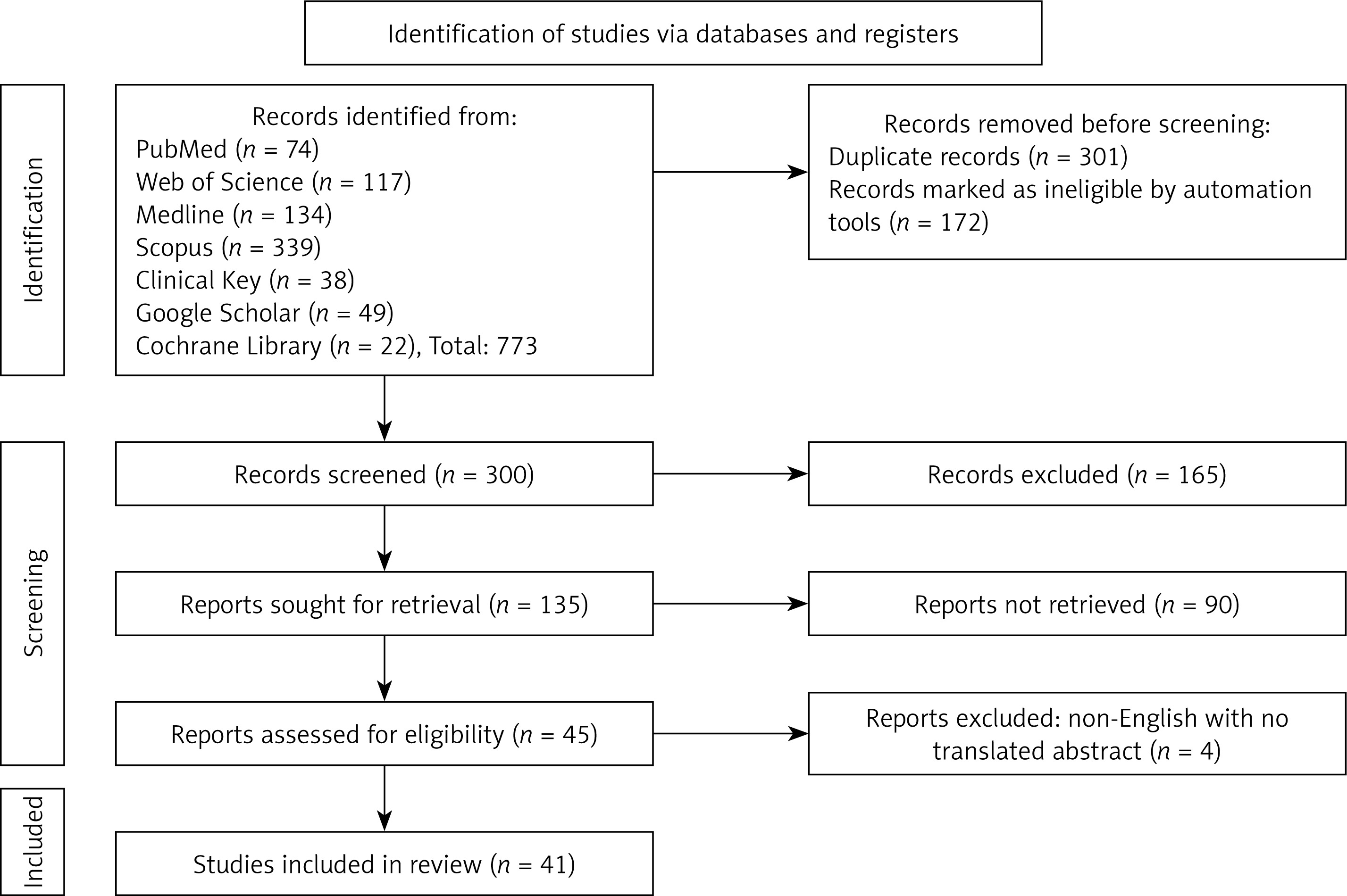
Of the 773 records initially identified from the databases, ultimately, 41 studies met the inclusion criteria and were included in the study (Figure 1, PRISMA flowchart).
Study characteristics
Table I summarizes the included studies according to type, population, interventions, comparators, follow-up duration, and key outcomes; these studies range from mechanistic models of tendon injuries to large-scale population-based cohorts. The 41 included studies were divided into the following categories [1–44].
Table I
Characteristics of the studies included in the systematic review
| Ref. | Study | Study design | Participants | Interventions/ Exposure | Comparators | Outcomes measured | Country |
|---|---|---|---|---|---|---|---|
| [1] | Bacci et al., 2015 | Animal study | 12 mice | Effect of exendin-4, in the absence or in the presence of exendin-4 (9-39), an antagonist on GLP-1R, on the healing of abraded skin | Saline | Exendin-4, but not exendin-4 (9-39), induced an increase in fibroblasts/myofibroblasts and vessel density when compared to placebo treated wounds | Italy |
| [2] | Bhosale et al., 2025 | Animal study | 36 male rats of Wistar strain | Dulaglutide subjected to carrageenan-induced paw edema (acute) or foreign body-induced granuloma (subacute). Paw edema volume, granuloma weight, inflammatory cytokine levels in the serum (IL-1β, CRP, TNF-α), and histopathological changes evaluated | Aspirin | Dulaglutide showed no significant independent anti-inflammatory effects in both acute and subacute animal models of inflammation | India |
| [3] | Lotti et al., 2024 | Animal study | 12 normo- and 12 hyperglycemic mice | Injected intradermally with exendin-4 | Saline solution | Topical administration of exendin-4 had beneficial effects on the acceleration of the healing process of skin wounds in both normo- and hyperglycemic mice | Italy |
| [4] | Paroli et al., 2022 | Animal study | 16 mice | Intradermal injection of exendin-4 in the upper and lower wounds | Saline solution | Following treatment with exendin-4, early activation of mast cells is critical in wound healing acceleration.as evidenced by increased mast cells degranulation index increased, expression of GLP-1R expression, tumor necrosis factor (TNF)-α and heat shock protein (HSP) 47 antigens. Increased density of dendritic cells and intercellular connections between these cells and vessels. Increased plasmacytoid dendritic cells in close contact with regulatory T cells | Italy |
| [5] | Que et al., 2019 | Animal study | 90 adult male Wistar rats | Subcutaneous injection of liraglutide to upregulate the expression of GLP-1 receptor (GLP-1R) | Reduced GLP-1R levels in the knees of OA rats were associated with downregulation of PKA/CREB signaling and upregulation of inflammation-related proteins. GLP-1R interacted with the PKA/CREB pathway, and liraglutide treatment activated PKA/CREB signaling, thereby inhibiting the expression of inflammation-related proteins | China | |
| [6] | Yoon et al., 2025 | Animal study | 40 male Sprague-Dawley rats | Rats were randomly divided into control and liraglutide groups and subjected to rotator cuff tendon repair surgery. The liraglutide group received liraglutide (250 g/kg) for 12 weeks. Expression of biomarkers related to muscle atrophy, fatty infiltration, and fat browning was measured. Range of motion tests, a wire hanging test, and electromyography were performed to evaluate shoulder function | Systemic administration of liraglutide suppresses fatty infiltration without causing muscle loss after rotator cuff tendon repair. | South Korea | |
| [7] | Bozadjieva-Kramer, et al., 2026 | Animal study | Intestine-specific FGF15-knockout and control mice | Type: dietary transition from high-fat diet to standard chow for 25 days, semaglutide administration; duration: 25 days for dietary intervention | Not mentioned | – Lean and bone mass – Glucose tolerance – Bile acid and lipid parameters Hepatic triglyceride levels | USA |
| [8] | Xiang et al., 2023 | Animal study | Male C57BL/6J mice | High-fat diet for 18 weeks Subcutaneous injections of liraglutide or semaglutide for 4 weeks | No comparison | – Body weight; muscle mass; muscle strength; glycolipid metabolism; muscle atrophy markers; myogenic differentiation markers (GLUT4, SIRT1); glucose tolerance; insulin resistance; lipid accumulation | China |
| [9] | Abdulmalik et al., 2021 | Human experimental study | Assess the ability of varied doses of exendin-4 peptide, a glucagon-like peptide 1 (GLP-1) receptor agonist, to induce tenocyte differentiation in bone marrow-derived human mesenchymal stem cells (hMSCs) | Untreated samples of exendin-4 peptide, a glucagon-like peptide 1 (GLP-1) receptor agonist | Levels of tendon-related transcription factors (Mkx and Scx) and extracellular matrix (Col-I, Dcn, Bgn, and Tnc) genes and proteins were elevated compared to media without exendin-4 and other controls including insulin and IGF-1 treatments. The tendonogenic factor exendin-4 in conjunction with hMSCs appears to enhance tendon regeneration | USA | |
| [10] | Lynskey et al., 2025 | Human experimental study | 20 osteoarthritis patients and 25 patients undergoing rotator cuff repair (RCR) | 20 patients with osteoarthritis (including cuff-tear arthropathy) undergoing total shoulder replacement were included | 25 patients undergoing RCR | In metabolic syndrome, mitochondrial dysfunction (including GATD3A downregulation) and altered Wnt/β-catenin signaling intensify cartilage and bone damage. In primary OA features there is strong complement activation, inflammatory gene expression, and collagen remodeling. Metabolic syndrome worsens both conditions via oxidative stress, advanced glycation end products, and ECM disruption – particularly increased CS/DS degradation | Australia |
| [11] | Tsilingiris et al., 2025 | Human experimental study | – Total participants: 36 – Type 2 diabetes (T2D) participants: 24 – Healthy individual participants: 12 | – Neutrophil extracellular trap fibroblast (NET)-stimulation studies on neutrophils/ primary human skin fibroblasts (HSFs) with and without specific inhibitors – Blockade of IL-8 or matrix metalloproteinase -9 (MMP-9) using specific inhibitors – Dismantling of NET-scaffold with DNase I – Hyperglycemic clamp with lipid infusion in normoglycemic individuals | Type 2 diabetes (T2D) group vs. healthy individuals (HI) control group | – HSF healing capacity using a scratch wound healing assay – Profibrotic phenotype of T2D HSFs (CCN2/CTGF, α-smooth muscle actin, collagen release) – Impaired healing capacity and collagen degradation – Role of MMP-9 in collagen degradation – Validation in normoglycemic individuals under hyperglycemic conditions – Immunohistochemical validation in diabetic plantar ulcer biopsies – Collagen types and breakdown using specific assay | Greece |
| [12] | Lawand et al., 2025 | Clinical retrospective | GLP-1 receptor agonist users (n = 1259) | TriNetX database from 2010 to 2023 was performed to identify patients who underwent anatomic or reverse TSA and were prescribed GLP-1RA | GLP-1RA users among patients undergone total shoulder arthroplasty versus nonusers | At 2-year follow-up (n = 776), there was no difference in revision rate (3.2% vs. 1.8%; OR = 1.8; p = 07) | USA |
| [13] | Megerian et al., 2025 | Clinical retrospective | – Total participants: 518 GLP-1RA users and 2,070 non-users for 90-day outcomes; 359 GLP-1RA users and 1,436 nonusers for 2-year outcomes – Inclusion criteria: primary total shoulder arthroplasty (TSA) for glenohumeral osteoarthritis, post-traumatic osteoarthritis, rotator cuff tear, or rotator cuff arthropathy | The use of glucagon-like peptide-1 receptor agonists (GLP-1RAs) prior to total shoulder arthroplasty (TSA) surgery | Patients with GLP-1RA use vs. matched controls without GLP-1RA use (1 : 4 ratio) | 90-day postoperative medical complications: readmission, any medical complication, acute kidney injury, cardiac arrest, deep vein thrombosis, wound dehiscence, hematoma, nerve injury, pneumonia, pulmonary embolism, need for transfusion, urinary tract infection – 90-day postoperative surgical complications: all-cause revision, superficial site infection, prosthetic joint infection, periprosthetic fracture, periprosthetic dislocation, aseptic loosening, postoperative shoulder stiffness – 2-year postoperative surgical complications: same as 90-day surgical complications – Additional outcomes: postoperative rotator cuff tear for aTSA, acromion fracture for rTSA | USA |
| [14] | Omurzakov et al., 2025 | Clinical retrospective | – Total participants: 178,114; obese participants (BMI > 30): 55,556; eligible cohort after inclusion/exclusion criteria: 34,236; GLP-1RA cohort: 2,475; control cohort: 31,761; final matched cohorts: GLP-1RA users = 2,132, controls = 30,156 | Perioperative use of GLP-1RAs in obese patients undergoing total shoulder arthroplasty | GLP-1RA users vs. non-users (controls) | Postoperative outcomes: revision surgery, emergency department visits, readmission, deep vein thrombosis (DVT), pulmonary embolism (PE), acute kidney injury, prosthetic joint stiffness, postoperative rotator cuff tear, mechanical complications, periprosthetic fracture, prosthetic joint infection, surgical site infection, airway aspiration, cardiac arrest, transfusion, and prosthetic joint dislocation | USA |
| [15] | Rasmussen et al., 2025 | Clinical retrospective | – Total participants: 163,100 – Control group: 157,735 – GLP-1 group: 5,369 – Matched cohort: 5,306 – Subgroup analysis: 781 patients per group (diabetes mellitus vs. weight loss) | GLP-1 receptor agonists: semaglutide, dulaglutide, liraglutide; used for at least 3 months before rotator cuff repair (RCR) | Control group: Patients with documented RCR and no prior GLP-1 use – GLP-1 group: Patients taking semaglutide, dulaglutide, or liraglutide for at least 3 months before RCR – Subgroup analysis: Diabetes mellitus (n = 4540) vs. weight loss (n = 829) | – Primary outcome: Reoperation risk – Secondary outcomes: Readmission, septic arthritis, adhesive capsulitis, pulmonary embolism (PE), deep vein thrombosis (DVT), bursitis of the shoulder | USA |
| [16] | Seddio et al., 2025 | Clinical retrospective | Total participants: 5,204 (1,094 semaglutide users and 4,110 non-users). Mean age was 57.62 ±7.28 years in the semaglutide group and 57.64 ±7.11 years in the non-user group. The semaglutide group included 536 males (49.0%) and 558 females (51.0%), while the non-user group included 2,025 males (49.3%) and 2,085 females (50.7%). The mean Elixhauser Comorbidity Index was 6.43 ±2.59 in the semaglutide group and 6.32 ± 2.48 in the non-user group. End-organ diabetes complications were present in 871 patients (79.6%) in the semaglutide group and 3,280 patients (79.8%) in the non-user group. Obesity was present in 832 patients (76.1%) and 3,136 patients (76.3%), respectively. Tobacco use was reported in 437 patients (39.9%) and 1,618 patients (39.4%), respectively. Insulin use was reported in 421 patients (38.5%) and 1,534 patients (37.3%), while metformin use was reported in 1,010 patients (92.3%) and 3,813 patients (92.8%), respectively | Preoperative semaglutide use in patients with type II diabetes mellitus undergoing arthroscopic rotator cuff repair | ARCR (-)semaglutide group vs. ARCR (+)semaglutide group | – Any adverse events (AAE) – Severe adverse events (SAE) – Minor adverse events (MAE) - 2-year rotator cuff retear | USA |
| [17] | Su et al., 2024 | Clinical retrospective | – Total participants initially identified: 351,800 SGLT2is users, 387,616 GLP-1RAs users – Total participants after propensity score matching: 274,026 in each group – Mean age: 59.5 years – Gender distribution: 46.9% women in SGLT2is group, 46.7% women in GLP-1RAs group | Sodium-glucose cotransporter 2 inhibitors (SGLT2is) and glucagon-like peptide-1 receptor agonists (GLP-1RAs) | (SGLT2is) and glucagon-like peptide-1 receptor agonists (GLP-1RAs) SGLT2is users and GLP-1RAs users | The risk of rotator cuff tear and the risk of receiving rotator cuff repair surgery | Taiwan |
| [18] | Abraham et al., 2017 | Review article | USA | ||||
| [19] | Ali et al., 2024 | Review article | GLP-1 receptor agonists (e.g., exenatide, liraglutide); long-acting GIP analogues; dual GIP/GLP-1 receptor agonist tirzepatide; DPP-4 inhibitors (e.g., sitagliptin); PTH; calcitonin; ghrelin; leptin; growth hormone | Agents discussed: exendin-4; liraglutide; lixisenatide; tirzepatide; sitagliptin (DPP-4 inhibitor) | Bone health outcomes, including bone mineral density (BMD), fracture risk, bone microarchitecture, and bone strength | UK | |
| [20] | Arora et al., 2020 | Review article | India | ||||
| [21] | Gatto et al., 2025 | Review article | GLP-1 receptor agonists (GLP-1RAs), specifically semaglutide and liraglutide, used for weight loss and metabolic regulation, with effects on bone metabolism, muscle composition, and joint health | Other antidiabetic drugs and placebo | Effects on bone health (bone mineral density, fracture risk, and bone metabolism); muscle mass and composition; lean body mass; joint health (inflammation and potential need for joint replacement); and anti-inflammatory effects | USA | |
| [22] | Magruder et al., 2024 | Editorial | Adults with obesity, type 2 diabetes, prediabetes, and symptomatic osteoarthritis; discusses evidence from retrospective studies involving > 41,000 and > 9,000 patients | GLP-1 agonists, particularly semaglutide, for weight management and their potential impact on arthroplasty outcomes | Placebo, liraglutide | Weight loss; biomechanical and inflammatory effects; patient-reported outcomes; eligibility for elective total joint arthroplasty; postoperative complications; cardiovascular health | USA |
| [23] | Mashayekhi et al., 2025 | Systematic review | Iran | ||||
| [24] | Mulcahy et al., 2025 | Review article | GLP-1 agonist medications; detailed medical screening; early planning for muscle mass preservation; long-term health support; patient education and lifestyle modification; nutrition support; behavior change principles; interdisciplinary collaboration; diet and exercise changes; sustainable exercise routines; load management; stretching, strengthening, and cardiovascular exercis. | – Individuals with obesity and knee OA who took GLP-1 agonists compared to those who did not. – Patients with obesity exposed to GLP-1 agonists compared to those not exposed. – Patients with diabetes exposed to GLP-1 agonists compared to those not exposed | Improvements in mobility, pain alleviation, injury prevention, muscle mass preservation, and overall metabolic health | USA | |
| [25] | Muskiet et al., 2025 | Comment | Participants include individuals with high BMI, type 2 diabetes, and obesity, as indicated by studies and meta-analyses referenced in the paper | – Dietary changes – Pharmacotherapy – Metabolic surgery – Gut hormone-based therapies (e.g., GLP-1, GIP, glucagon, amylin receptor agonists) – Dual and triple receptor agonists (e.g., tirzepatide, retatrutide, CagriSema) | – Placebo – Other glucose-lowering drugs – GLP-1 receptor agonism alone | –Bone resorption markers – Bone formation markers – Fracture risk | Netherlands |
| [26] | Nowicki et al., 2024 | Review article | Human populations and animal models discussed in the reviewed literature, including older adults with type 2 diabetes, children with congenital osteoporosis, obese children, and older women | Osteocalcin-related interventions and observational studies, including administration of GluOC in mice and assessment of associations between osteocalcin levels and metabolic parameters in humans | Genetically modified osteocalcin-deficient (Osc−/Osc−) mice, Gprc6a-deficient mice, and wild-type mice used as controls in referenced studies | Effects on insulin secretion, visceral fat, testosterone production, cognitive function, and associations with fasting glucose, body fat, BMI, HOMA-IR, and HbA1c; potential implications for obesity and metabolic syndrome treatment | Poland |
| [27] | Takashi et al., 2022 | Review article | FGF23, osteocalcin (OC), sclerostin, lipocalin 2 | – Glucose metabolism – Diabetic kidney disease – Cardiovascular disorders | Japan | ||
| [28] | Weber et al., 2025 | Systematic review | GLP-1 receptor agonists (e.g., exendin-4, liraglutide, semaglutide, tirzepatide); concentrations included exendin-4 (10 nM) and liraglutide (10 and 100 nM) | Native GLP-1, exendin-4, liraglutide, and other GLP-1 receptor analogs or standard cell culture conditions (depending on included study) | – Proliferation – Differentiation – Signaling pathways – Apoptosis – Tissue-specific applications | Germany | |
| [29] | Yang et al., 2022 | Review article | Human populations from included studies: postmenopausal women, community-dwelling older adults, patients with type 2 diabetes, and healthy adults; study designs included observational cohorts, pooled analyses, and network meta-analyses | DPP-4 inhibitors (e.g., sitagliptin, saxagliptin, vildagliptin, linagliptin, and alogliptin) evaluated in animal studies and clinical trials for effects on bone metabolism | Placebo, other antidiabetic treatments, and control groups as reported in the included studies | Effects of DPP-4 inhibitors on bone metabolism, osteogenesis, bone resorption, bone mineral density, fracture risk, and interactions between gut hormones/neuropeptides and bone cells | Japan |
| [30] | Zhang et al., 2022 | Review article | Any participants DPP-4/CD26 as a therapeutic target for wound healing and inhibition of scar formation | – Periwound inflammation – Re-epithelialization Extracellular matrix secretion – Skin fibrosis | |||
| [31] | Zheng et al., 2025 | Review article | Glucagon-like peptide-1 receptor agonists (GLP-1RA) | – Anti-inflammatory effects – Effects on chondrocyte matrix metabolism Analgesia – Promotion of bone formation – Inhibition of bone resorption – Reduction of fracture incidence | |||
| [35] | González-Luis et al., 2025 | Systematic review | Spain | ||||
| [36] | Bujdei-Tebeica et al., 2025 | Narrative review | |||||
| [37] | Scheen 2025 | Review article | Belgium | ||||
| [38] | Maihemuti, et al., 2025 | Systematic review | China | ||||
| [39] | Neeland et al., 2024 | Systematic review | USA Sweden Germany England | ||||
| [40] | Ceasovschih et al., 2025 | Review article | Poland Czech Republic USA Russia Romania | ||||
| [41] | Cannavaro et al., 2025 | Narrative review | Italy | ||||
| [42] | Prokopidis, et al., 2025 | Mini review article | UK Denmark Australia | ||||
| [43] | Pantazopoulos et al., 2025 | Narrative review | Greece | ||||
| [44] | Alissou et al., 2026 | Prospective longitudinal trial and real-world cohort | Adults with grade 3 obesity (BMI ≥ 40 kg/m2) and at least one obesity-related comorbidity, who had failed lifestyle interventions | Semaglutide treatment, initiated at 0.25 mg and escalated to 2.4 mg over 16 weeks, to evaluate effects on body composition, lean mass, muscle function, weight loss, and metabolic efficiency | No comparison | – Body weight – Body composition (fat mass and lean mass) – Muscle function (handgrip strength) – Resting energy expenditure (REE) | France |
Animal studies (n = 8) assessing GLP-1RA effects on tendon and ligament healing in rodent and rabbit models [1–8].
Human experimental studies (n = 3) evaluating the molecular and histological outcomes associated with GLP-1RA exposure during soft tissue repair [9–11].
Clinical retrospective cohort studies (n = 6) examining perioperative outcomes following orthopedic procedures in patients receiving GLP-1RA therapy [12–17].
Clinical prospective study (n = 1).
Review articles, commentaries, and editorials (n = 18) providing relevant contextual background and mechanistic insight [18–31].
Of the six retrospective cohort studies included in the qualitative synthesis, only two were eligible for quantitative pooling. The remaining cohort studies were not meta-analyzed because they differed in terms of the surgical procedure, study population, comparator framework, endpoint definition, and follow-up duration, which precluded a clinically meaningful pooled estimate.
Evidence quality and risk of bias assessment
The quality of evidence and risk of bias were evaluated using validated tools based on the study design.
Systematic reviews: assessed using the AMSTAR 2 score, which identified critically low confidence levels owing to multiple critical flaws (Table II).
Non-systematic reviews: assessed using SANRA scores ranging from 5 to 8/12, suggesting moderate methodological rigor (Table III).
Retrospective cohort studies: The Newcastle-Ottawa scores ranged from 8 to 9/9 (low overall risk of bias) (Table IV).
Human experimental studies: assessed using the ROBINS-I score, which showed an overall moderate risk of bias and were considered to provide reasonably reliable evidence within the context of nonrandomized study designs. Nevertheless, none of the studies were rated as having a serious or critical risk of bias (Table V).
Animal studies: assessed using the SYRCLE tool, which exhibited variable methodological qualities, showing low to unclear risk across several domains; however, recurrent limitations were observed in reporting randomization methods, allocation concealment, and blinding procedures (Table VI).
Prospective non-controlled study: a single study by Alissou et al., assessed using the NIH Quality Assessment Tool (Table VII).
Table II
Quality assessment of systematic reviews using the AMSTAR 2 checklist
| No. | AMSTAR 2 questions | Mashayekhi et al., 2025 [23] | Weber et al., 2026 [28] | Maihemuti et al., 2025 [38] |
|---|---|---|---|---|
| 1 | Did the research questions and inclusion criteria for the review include the components of PICO? | Yes | Yes | Yes |
| 2 | Did the report of the review contain an explicit statement that the review methods were established prior to the conduct of the review and did the report justify any significant deviations from the protocol? | No | No | No |
| 3 | Did the review authors explain their selection of the study designs for inclusion in the review? | No | Yes | No |
| 4 | Did the review authors use a comprehensive literature search strategy? | No | No | Partial yes |
| 5 | Did the review authors perform study selection in duplicate? | Yes | Yes | Yes |
| 6 | Did the review authors perform data extraction in duplicate? | Yes | Yes | Yes |
| 7 | Did the review authors provide a list of excluded studies and justify the exclusions? | No | No | No |
| 8 | Did the review authors describe the included studies in adequate detail? | Partial Yes | Yes | Partial yes |
| 9 | Did the review authors use a satisfactory technique for assessing the risk of bias (RoB) in individual studies that were included in the review? | Yes | Yes | No |
| 10 | Did the review authors report on the sources of funding for the studies included in the review? | Yes | Yes | Yes |
| 11 | If meta-analysis was performed did the review authors use appropriate methods for statistical combination of results? | No | NA | No |
| 12 | If meta-analysis was performed, did the review authors assess the potential impact of RoB in individual studies on the results of the meta-analysis or other evidence synthesis? | No | NA | No |
| 13 | Did the review authors account for RoB in individual studies when interpreting/discussing the results of the review? | No | Yes | No |
| 14 | Did the review authors provide a satisfactory explanation for, and discussion of, any heterogeneity observed in the results of the review? | Yes | No | No |
| 15 | If they performed quantitative synthesis did the review authors carry out adequate investigation of publication bias (small study bias) and discuss its likely impact on the results of the review? | Yes | No | No |
| 16 | Did the review authors report any potential sources of conflict of interest, including any funding they received for conducting the review? | Yes | Yes | Yes |
Table III
SANRA assessment of review articles included in the study
| No. | Review article | Justification of importance | Aims/questions | Literature search | Referencing | Scientific reasoning | Data presentation | Total score |
|---|---|---|---|---|---|---|---|---|
| 1 | Abraham [18], 2017 | 2 | 2 | 0 | 2 | 0 | 0 | 6 |
| 2 | Arora [20], 2020 | 2 | 2 | 0 | 2 | 1 | 1 | 8 |
| 3 | Ali [19], 2024 | 2 | 2 | 0 | 2 | 0 | 0 | 6 |
| 4 | Gatto [21], 2025 | 2 | 2 | 0 | 2 | 0 | 1 | 7 |
| 5 | Zhang [30], 2022 | 2 | 2 | 0 | 1 | 0 | 0 | 5 |
| 6 | Zheng [31], 2025 | 2 | 2 | 0 | 1 | 1 | 1 | 7 |
| 7 | Mulcahy [24], 2025 | 2 | 2 | 0 | 2 | 1 | 1 | 8 |
| 8 | Nowicki [26], 2024 | 1 | 1 | 0 | 1 | 1 | 1 | 5 |
| 9 | Yang [29], 2022 | 2 | 2 | 0 | 2 | 1 | 1 | 8 |
| 10 | Takashi [27], 2022 | 2 | 2 | 0 | 2 | 1 | 0 | 7 |
| 11 | Scheen [37], 2025 | 2 | 2 | 1 | 2 | 1 | 1 | 9 |
| 12 | Cannavaro [41], 2025 | 2 | 2 | 1 | 2 | 1 | 0 | 8 |
| 13 | Ceasovschih [40], 2025 | 2 | 2 | 2 | 2 | 1 | 1 | 10 |
| 14 | González-Luis [35], 2025 | 2 | 2 | 0 | 2 | 1 | 1 | 8 |
| 15 | Bujdei-Tebeică [36], 2025 | 2 | 2 | 1 | 2 | 1 | 1 | 9 |
| 16 | Neeland [39], 2024 | 2 | 2 | 0 | 2 | 1 | 1 | 8 |
| 17 | Pantazopoulos [43], 2025 | 2 | 2 | 2 | 2 | 1 | 1 | 10 |
| 18 | Prokopidis [42], 2025 | 2 | 2 | 0 | 2 | 1 | 1 | 8 |
Table IV
Newcastle-Ottawa Scale for assessment of cohort studies
| Author, year | Selection | Comparability | Outcomes | |||||||
|---|---|---|---|---|---|---|---|---|---|---|
| Representativeness | Non-exposed selection | Exposure ascertainment | Outcome absent at start | Outcome assessment | Follow-up length | Follow-up adequacy | Total score | Overall risk of bias | ||
| Lawand [12], 2024 | ☆ | ☆ | ☆ | ☆ | ☆ | ☆ | ☆ | ☆ | 8 | Low |
| Megerian [13], 2025 | ☆ | ☆ | ☆ | ☆ | ☆ | ☆ | ☆ | ☆ | 8 | Low |
| Omurzakov [14], 2025 | ☆ | ☆ | ☆ | ☆ | ☆☆ | ☆ | ☆ | ☆ | 9 | Low |
| Rasmussen [15], 2025 | ☆ | ☆ | ☆ | ☆ | ☆ | ☆ | ☆ | ☆ | 8 | Low |
| Seddio [16], 2024 | ☆ | ☆ | ☆ | ☆ | ☆ | ☆ | ☆ | ☆ | 8 | Low |
| Su [17], 2024 | ☆ | ☆ | ☆ | ☆ | ☆☆ | ☆ | ☆ | ☆ | 9 | Low |
Table V
ROBINS-1 tool wfor assessment of human experimental studies
| Study | Confounding | Selection of participants | Classification of interventions | Deviations from intended interventions | Missing data | Measurement of outcomes | Selection of reported result | Overall risk of bias |
|---|---|---|---|---|---|---|---|---|
| Tsilingiris et al. | ||||||||
| [11], 2025 | Moderate | Moderate | Low | Low | Low | Low | Moderate | Moderate |
| Abdulmalik | ||||||||
| et al. [9], 2021 | Moderate | Moderate | Low | Low | Low | Low | Moderate | Moderate |
| Lynskey et al. [10], 2025 | Moderate | Moderate | Low | Low | Low | Low | Moderate | Moderate |
Table VI
SYRCLE risk-of-bias assessment of included animal studies
| Study (author, year) | Sequence generation | Baseline characteristics | Allocation concealment | Random housing | Blinding of caregivers/investigators | Random outcome assessment | Blinding of outcome assessor | Incomplete outcome data | Selective outcome reporting | Other bias | Support/notes |
|---|---|---|---|---|---|---|---|---|---|---|---|
| Yoon et al. [6], 2025 | Unclear | Low | Unclear | Low | Unclear | Low | Low | Unclear | Low | High | “Randomly assigned” stated but method not described; assessor blinding stated for ROM/wire test; random selection for sacrifice stated but subsampling (n = 6) selection not fully described; attrition/exclusions not clearly reported; possible unit-of-analysis clarity needed re: contralateral shoulder |
| Bacci et al. [1], 2015 | Unclear | Low | High | High | Unclear | Unclear | Low | Low | Low | High | Randomization stated but method not described; blinded outcome measurements reported; planned sacrifice schedule balanced; split-body (two wounds per mouse) raises unit-of-analysis and possible cross-wound contamination risk (acknowledged as possible limitation) |
| Que et al. [5], 2019 | High | Unclear | Unclear | High | High | Unclear | Unclear | Unclear | Low | Low | Groups “divided equally” but randomization method not described; no reporting of allocation concealment, housing randomization, or blinding; attrition/exclusions not explicitly stated; outcomes reported consistently with Methods; no funding or declared conflicts |
| Bhosale et al. [2], 2025 | High | High | Unclear | Low | Unclear | Unclear | High | Low | Low | Low | Group allocation method not described; baseline per group not reported; no concealment/housing randomization/blinding statements; outcome reporting matches Methods; no attrition described (n = 6 per group across models); design-specific concern: differing pre-induction timing for aspirin vs dulaglutide in acute model may confound comparisons |
| Lotti et al. [3], 2024 | High | Low | High | Low | High | Low | Unclear | Low | Low | Low | Within-animal paired-wound design inherently controls baseline variability; allocation based on wound position rather than random sequence; standardized induction and complete follow-up; outcome assessor blinding not reported; authors acknowledge model-specific limitations and possible systemic exposure |
| Paroli et al. [4], 2022 | High | Low | Unclear | High | Unclear | Low | Unclear | Low | Low | Low | Paired-wound within-animal design provides strong baseline control; fixed wound-position allocation used; balanced euthanasia schedule (4 mice/timepoint); assessor blinding not reported; authors acknowledge possible systemic exposure/cross-contamination; statistical handling of paired design not fully described |
| Bozadjieva-Kramer [7], 2026 | Unclear | Low | Unclear | Low | Unclear | Low | Unclear | Low | Unclear | Low | Stratified randomization provides good baseline control, but the authors do not describe how the random sequence was generated; mice were group housed; no reporting of allocation concealment, housing randomization, or blinding |
| Xiang [8], 2023 | Unclear | Low | Unclear | Unclear | Unclear | Low | Unclear | Low | Unclear | Low | Sequence generation method was not described; all mice were male and 7-week-old at baseline; no reporting of allocation concealment, housing randomization, or blinding |
Table VII
National Institute of Health Quality Assessment Tool for before-after (pre-post) studies with no control group
| Criteria | Study (author, year) |
|---|---|
| Alissou [44], 2025 | |
| 1. Was the study question or objective clearly stated? | Yes |
| 2. | |
| Were eligibility/selection criteria for the study population prespecified and clearly described? | Yes |
| 3. | |
| Were the participants in the study representative of those who would be eligible for the test/service/intervention in the general or clinical population of interest? | Yes |
| 4. Were all eligible participants that met the prespecified entry criteria enrolled? | No |
| 5. Was the sample size sufficiently large to provide confidence in the findings? | No |
| 6. | |
| Was the test/service/intervention clearly described and delivered consistently across the study population? | Yes |
| 7. | |
| Were the outcome measures prespecified, clearly defined, valid, reliable, and assessed consistently across all study participants? | No |
| 8. | |
| Were the people assessing the outcomes blinded to the participants’ exposures/interventions? | No |
| 9. | |
| Was the loss to follow-up after baseline 20% or less? Were those lost to follow-up accounted for in the analysis? | No |
| 10. | |
| Did the statistical methods examine changes in outcome measures from before to after the intervention? Were statistical tests done that provided p values for the pre-to-post changes? | Yes |
| 11. | |
| Were outcome measures of interest taken multiple times before the intervention and multiple times after the intervention (i.e., did they use an interrupted time-series design)? | No |
| 12. | |
| If the intervention was conducted at a group level (e.g., a whole hospital, a community, etc.) did the statistical analysis take into account the use of individual-level data to determine effects at the group level? | NA |
Summary of synthesis of findings
Results of individual studies
Among the ten clinical studies, two retrospective cohort studies specifically evaluated the risk of revision surgery following total shoulder arthroplasty. Two retrospective cohort studies evaluating total shoulder arthroplasty were considered for revision-related quantitative synthesis. Megerian et al. [13] and Omurzakov et al. [14] reported data suitable for pooling, whereas the remaining arthroplasty cohort was retained for qualitative interpretation because of differences in the reported endpoints and analytic structure. Across shoulder arthroplasty cohorts, point estimates generally suggested no excess perioperative risk associated with GLP-1RA exposure, although individual study results varied in magnitude and precision. Experimental studies have consistently demonstrated that GLP-1RA exposure modulates inflammatory markers and promotes matrix remodeling, suggesting plausible mechanistic pathways for enhanced healing.
Quantitative synthesis
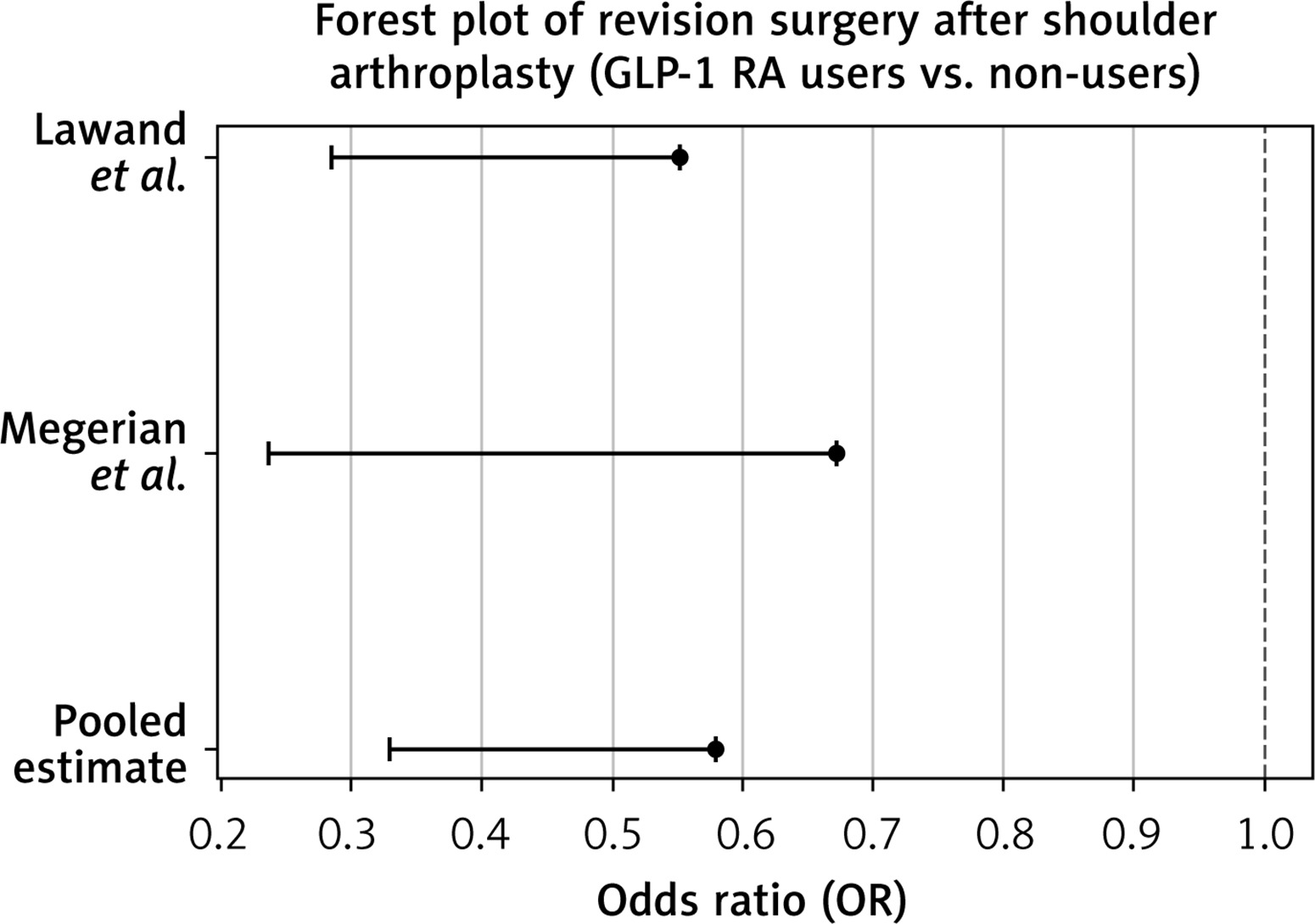
A meta-analysis of two retrospective cohorts showed a significant association between GLP-1RA exposure and a lower revision risk after total shoulder arthroplasty. Two comparable studies (Megerian et al. [13] and Omurzakov et al. [14]) examined the association between preoperative GLP-1RA use and risk of revision after total shoulder arthroplasty. A fixed-effect meta-analysis yielded a pooled OR of 0.71 (95% CI: 0.59–0.85), suggesting a significant reduction in revision risk (Figure 2), with low heterogeneity (I2 = 0%). The pooled studies differed in underlying patient characteristics, indications for GLP-1RA use, perioperative exposure definitions, comparator selection, and outcome ascertainment. In addition, variations in the surgical context, postoperative care pathways, and follow-up duration may have influenced the revision risk independently of GLP-1RA exposure. Accordingly, the pooled estimate should be interpreted as hypothesis-generating rather than as definitive evidence of benefit.
Qualitative results – soft tissue healing in patients with T2DM
T2DM and wound healing
T2DM has significant negative effects on muscles, tendons, and joints due to systemic inflammation and sarcopenia. Patients with T2DM are approximately four times more likely to develop tendinopathy [24]. Several pathophysiological processes associated with T2DM disrupt the balance between bone resorption and formation, thereby increasing risk [19]. In T2DM, wound healing is impaired by a complex pathological cycle involving the interleukin (IL)-8/matrix metalloproteinase-9 (MMP-9) axis. This mechanism impairs wound healing in T2DM through neutrophil extracellular trap-fibroblast crosstalk, as evidenced by increased MMP-9 expression and the development of a profibrotic phenotype in diabetic fibroblasts, which ultimately reduces the effective healing capacity [11]. Notably, GLP-1RA and its associated exendin-4 peptide have been shown to induce tenogenesis in human mesenchymal stem cells (hMSCs) by promoting cell proliferation and tendonogenic differentiation, as demonstrated by increased expression of tendon-related transcription factors and ECM genes and proteins [9]. Furthermore, T2DM is associated with an elevated risk of rotator cuff tears due to poor glycemic control, which impairs systemic circulation and promotes inflammation [16] and is also linked to increased perioperative complications and impaired bone health [21].
Specific mechanisms of impaired wound healing in T2DM
Several mechanisms contribute to the impaired tendon and ligament healing in patients with T2DM; these mechanisms include chronic inflammation, advanced glycation end products (AGEs), impaired angiogenesis, altered growth factor signaling, and protein malnutrition.
Chronic inflammation – Markers of inflammation in patients with T2DM include early activation of mast cells, as evidenced by an increased mast cell degranulation index, and elevated levels of tumor necrosis factor-alpha (TNF-α), which plays a critical role in regulating wound healing and may influence soft tissue repair. Indicators of inflammation resolution include increased M2 macrophage activity and interactions between dendritic cells and regulatory T cells [4]. Chronic inflammation in diabetic wounds is characterized by a prolonged and persistent inflammatory state that compromises wound healing. This process involves excessive production of pro-inflammatory cytokines by macrophages, release of cytotoxic enzymes and inflammatory mediators by neutrophils, and dysregulation of transcription factors and epigenetic mechanisms. T2DM and obesity are also associated with increased production of fibroblast growth factor-23 (FGF-23) [27]. This persistent inflammatory environment results in prolonged granulocyte infiltration and contributes to aberrant scarring and the development of chronic wounds [3].
Advanced glycation end products – AGEs accumulate in tissues owing to chronic hyperglycemia. Their accumulation disrupts the native architecture of the rotator cuff tendon and predisposes patients with T2DM to rotator cuff tears. AGEs are also potent stimulators of oxidative stress and inflammation [16, 21]. Hyperglycemia and AGEs contribute to inflammation by upregulating negative regulatory pathways and disrupting normal bone metabolism [19]. AGE accumulation and oxidative stress in patients with T2DM deteriorate bone microstructure and material properties [25]. Bone defects associated with AGEs in patients with T2DM are partly explained by the upregulation of sclerostin, which inhibits osteoblast activity. This process promotes the permanent cross-linking of collagen fibers, thereby impairing bone matrix quality and making bones more brittle and prone to fracture. AGEs trigger osteoblast apoptosis and downregulate genes necessary for osteoblast differentiation and development [19]. AGEs also exacerbate both cuff-tear arthropathy (CTA) and primary shoulder osteoarthritis, thereby contributing to oxidative stress and ECM disruption [10].
Impaired angiogenesis – Impaired angiogenesis presents a significant challenge to tendon healing in patients with T2DM. Diabetic wounds are characterized by reduced levels of pro-angiogenic factors and increased levels of anti-angiogenic mediators. Additionally, decreased levels of capillary maturation factors, miRNAs, and MMPs further impair vascular formation and tissue repair [3].
Altered growth factor signaling – Deficiencies in essential pro-angiogenic growth factors and elevated levels of anti-angiogenic factors are commonly observed in diabetic wounds [3]. FGF21 is involved in metabolic regulation related to obesity and energy homeostasis. It stimulates glucose uptake and thermogenesis; however, its biological effects may be attenuated by obesity-induced resistance [32]. Altered WNT/β-catenin signaling has also been observed in patients with metabolic syndrome and CTA, contributing to progressive cartilage degeneration and bone damage [10].
GLP-1RA clinical use
GLP-1RAs are secreted by enteroendocrine L-cells in response to nutrient intake and exert their biological effects by binding to and activating the GLP-1 receptor, a G-protein-coupled receptor expressed in pancreatic islet cells, as well as in central and peripheral neurons. Expression of GLP-1 receptors has also been increasingly identified in other tissue types, including bone and soft tissue cells, where receptor activation suppresses glucagon secretion and enhances glucose-stimulated insulin secretion. GLP-1RA therapy produces several physiological effects, including delayed gastric emptying, reduced postprandial glycemic fluctuations, body weight reduction, and decreased systolic blood pressure, thereby exerting beneficial effects on the cardiovascular and central nervous systems. However, GLP-1 should be administered by chronic subcutaneous infusion because of its rapid cleavage by dipeptidyl peptidase 4 (DPP-4). Therefore, the positive impact of DPP-4 inhibitors may increase pseudo-physiological endogenous GLP-1 levels. This effect is augmented by the development of GLP-1RAs that prevent DPP-4 breakdown and/or rapid renal elimination; therefore, several durations of action, such as short-, long-, and prolonged-acting GLP-1 analogs, are currently in clinical use [33].
Approved GLP-1RAs for the management of T2DM and obesity
GLP-1RAs are classified according to their duration of action. Short-acting agents (less than 12 h) include exenatide, a synthetic exendin-4 analog administered via twice-daily subcutaneous injection, and lixisenatide, a modified exendin-4 analog administered via once-daily injection. Liraglutide, a recombinant human GLP-1 analog administered via once-daily subcutaneous injection, has an intermediate duration of action of approximately 12–24 h.
Long-acting agents, with durations of action exceeding 24 h and extending up to 1 week, include dulaglutide, a long-acting human GLP-1 analog administered as a once-weekly subcutaneous injection; semaglutide, an engineered human GLP-1 analog administered as a once-weekly injection or daily oral formulation; albiglutide, a long-acting human GLP-1 analog administered as a once-weekly injection; and tirzepatide, a dual GLP-1 and glucose-dependent insulinotropic polypeptide receptor agonist administered as a once-weekly injection.
Mechanism of GLP-1RAs in the management of T2DM – GLP-1RAs were initially identified as gut-derived incretin hormones that suppressed glucagon secretion, stimulated insulin secretion, reduced appetite and food intake, and inhibited gastric emptying [34]. Therapeutic strategies to enhance incretin activity include the inhibition of DPP-4 activity, which increases endogenous GLP-1 availability (incretin enhancers), and the use of degradation-resistant GLP-1RA (incretin mimetics) [34].
Mechanism of GLP-1RAs in the management of obesity – Weight reduction is a common therapeutic outcome of treatment with native GLP-1, exenatide, or liraglutide. In contrast, treatment with DPP-4 inhibitors is generally associated with prevention of weight gain [34].
Positive effects of GLP-1RAs on soft tissue healing
Anti-inflammatory effects – Experimental studies on diabetic wounds treated with GLP-1RA have demonstrated accelerated wound healing through increased granulocyte infiltration, fibroblast differentiation, mast cell degranulation, and angiogenesis [3]. GLP-1RAs also induce the tenogenic differentiation of hMSCs and enhance tendon regeneration by increasing the expression of tendon-related transcription factors, ECM genes, and proteins [9]. Among the long-acting agents, dulaglutide exhibits pleiotropic anti-inflammatory effects on multiple cellular and molecular pathways, including the downregulation of inflammatory macrophage activation markers, pro-inflammatory mediators, and cytokine expression, as well as the upregulation of anti-inflammatory adiponectin and adipokines [2, 21]. Dulaglutide has also been shown to reduce the production of reactive oxygen species and suppress the production of pro-inflammatory cytokines and chemokines [19]. Tirzepatide has been associated with reductions in inflammatory biomarkers, such as IL-1β, IL-6, and monocyte chemoattractant protein-1 (MCP-1) [28].
Among intermediate-acting agents, liraglutide modulates the protein kinase A/cyclic adenosine monophosphate response element-binding protein pathway, thereby suppressing inflammation-related protein expression [5]. Liraglutide also reduces apoptosis and promotes the production of anti-inflammatory cytokines [28].
Among short-acting agents, lixisenatide reduces IL-6 and TNF-α expression [19]. Clinically, GLP-1RA therapy may attenuate platelet aggregation, suggesting indirect anti-severity effects [21].
Enhanced angiogenesis – GLP-1RAs enhances angiogenic capacity by upregulating sirtuin 1 signaling [28]. Exendin-4, a long-acting GLP-1RA, promotes tissue regeneration and enhances angiogenesis by increasing vessel formation in wound tissue [3]. Furthermore, GLP-1RAs would influence chondrocyte matrix metabolism [31].
Direct fibroblast effects – Experimental wound-healing studies in diabetic animal models have demonstrated improved outcomes during the proliferative phase following treatment with exendin-4. These improvements were associated with increased fibroblast density in treated wounds, the onset of fibroblast differentiation into myofibroblasts, and enhanced positive interactions between fibroblasts and other cell types, indicating a coordinated regenerative response to exendin-4 treatment [3]. In hMSCs, GLP-1RAs induce tenocyte differentiation and elevate the expression of tendon-related transcription factors, including Mohawk (Mkx) and scleraxis (Scx), as well as ECM genes and proteins. These effects promote tendon regeneration by enhancing collagen and proteoglycan formation and upregulating key regulators of tenogenic differentiation (Scx and Mkx), indicating the differentiation of hMSCs into tendon-like cells [9].
At the synovium, GLP-1RAs suppress inflammatory biomarkers in human fibroblast-like synoviocytes. They also downregulate nuclear factor kappa B phosphorylation and nuclear translocation, resulting in the reduced production of pro-inflammatory cytokines and MMPs. Furthermore, GLP-1RAs exert positive anti-apoptotic effects on chondrocytes, decrease MMP-3/13 and ADAMTS4/5 expression, reduce synovitis severity, and attenuate pro-inflammatory synovial cell signaling [21].
Clinically, GLP-1RA therapy may improve the structural integrity of repaired rotator cuff tissue by downregulating AGE accumulation through improved glycemic control [16].
Negative effects of GLP-1RAs on soft tissue healing
Effect of rapid weight loss on muscles – The effects of GLP-1RAs on body composition were not uniform across agents. Thus, GLP-1RA therapy may lead to a significant reduction in body weight. The mechanisms involved in the changes in muscle physiology include antioxidants, mitochondria-supportive, and anti-inflammatory mechanisms. Key signaling pathways involved herein are promotion of myogenic differentiation, modulation of the signaling pathways of PI3K/Akt/mammalian target of rapamycin (mTOR), and AMP-activated protein kinase-PGC-1α, and suppression of proteolytic activity [35]. Skeletal muscle mass (SMM) and lean body mass (LBM) have been evaluated across different animal and clinical studies [7, 36]. Animal models have revealed favorable effects on SMM, intramuscular lipid deposition, inflammation, and mitochondrial health. Furthermore, human studies have reported mixed results, ranging between loss of fat-free mass (FFM) and SMM loss [37]. Another comparative study by Maihemuti et al. reported findings from animal studies that showed increased grip strength, enhanced skeletal muscle cross-sectional area (CSA), and increased muscle mass at low GLP-1RA doses, while clinical studies reported a decline in lean mass. These observations were noted in relation to the dose-dependent effect of GLP-1RAs, with low doses associated with increased muscle mass, medium doses having a neutral effect, and high doses resulting in weight loss, including muscle mass loss [38].
Another study pointed to a protective effect of GLP-1RA against development of sarcopenia; taken together, the current evidence does not indicate a clinically significant excessive loss of muscle mass [21].
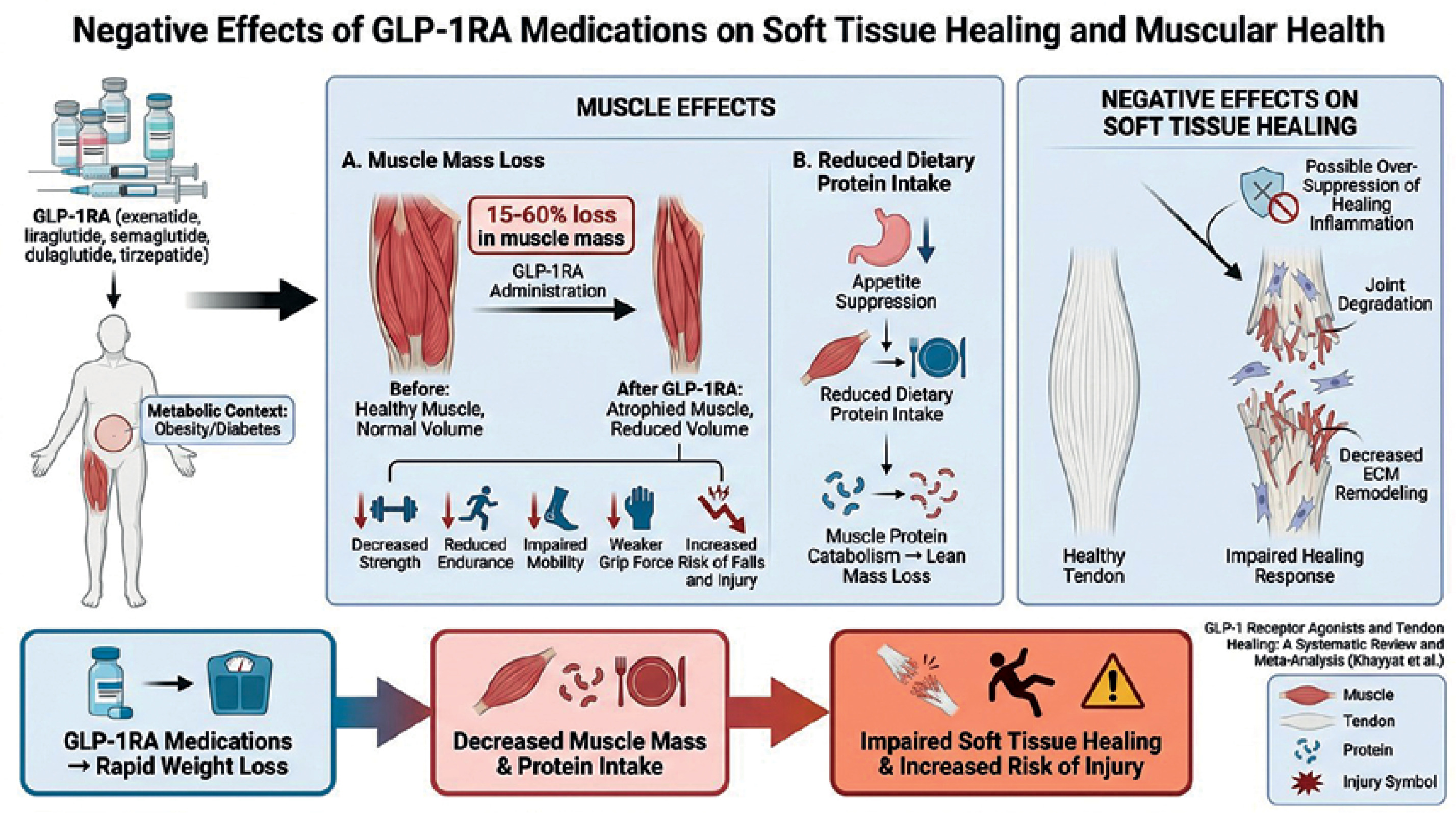
When evaluating muscle functions, a group of parameters is used for assessment: muscle mass (sarcopenia), architecture, volume, strength, and force-generating capacity. GLP-1RA-associated reductions in muscle mass range from 15% up to 60% [39], with potential negative effects on soft tissue healing, including impaired muscle function, joint degradation, and decreased muscular endurance [24] (Figure 2). Notably, liraglutide and semaglutide have shown potential in preventing muscle wasting and enhancing regeneration without negatively affecting lean muscle mass [6, 40].
GLP-1RA induced muscle architectural distortion is induced by compounds which are tirzepatide and semaglutide, with changes in muscle volume z-score [39], improvement in the CSA of muscle fibers [8], reduced intramuscular fat infiltration, and hence, favorable changes in muscle quality [41].
Muscle volume reduction with reduced lipid droplet infiltration in muscles [8] and clinically significant losses in thigh muscle volume [42] are considered adaptive mechanisms in the context of weight loss [39].
Finally, in response to GLP-1RA, muscle strength, and its force-generating capability, preclinical evidence suggests an improvement in muscle function [43], hand grip strength, limb suspension time, and force-generating capacity [8, 44],
Effects related to reduced dietary protein intake – GLP-1RA therapy may reduce appetite and overall dietary protein intake, which can promote muscle protein catabolism to meet energy demands. This process may contribute to loss of lean muscle mass, decreased muscular endurance, and increased risk of falls and injury [24]. Currently, no clinical guidelines recommend specific dietary protein intake adjustments to offset GLP-1RA-associated appetite suppression.
Potential over-suppression of inflammation – Evidence regarding the interaction between GLP-1RAs and soft tissue pathology remains limited, making it unclear whether this over-suppression affects soft tissue healing. The reduction in pro-inflammatory cytokines and MMPs, as well as improved synovitis severity, indicates strong anti-inflammatory action; however, the potential for over-suppression of inflammation has not been fully investigated [21].
Timing-dependent effects – The effects of GLP-1RAs on soft tissue healing may substantially depend on the timing of administration. Initiating GLP-1RA therapy months before injury or surgery may create favorable metabolic conditions, such as weight reduction and improved insulin sensitivity, without inducing acute sarcopenia. In normoglycemic mice, exendin-4 accelerates wound healing, increases fibroblast/myofibroblast density and vessel formation over time compared to controls, and does not affect spontaneous healing [1]. In a rat model of rotator cuff tear, GLP-1RA administration reduced supraspinatus fatty infiltration and produced time-dependent functional improvements following surgery, including enhanced internal rotation as early as 6 weeks, improved external rotation at 12 weeks, significant total muscle strength, improvements in compound muscle action potential observed both early and late after surgery, and eventual range of motion in the early postoperative period [6]. In hMSCs, exposure to exendin-4 has been shown to progressively increase the expression of several proliferative genes, with significant increases in sulfated glycosaminoglycan content, collagen formation, and Col-I gene expression, followed by increased expression of tendon-related genes [9]. These findings suggest that exendin-4 promotes tenogenic differentiation, which is important for soft tissue healing [28].
Clinically, GLP-1RAs may reduce fatty infiltration and enhance muscle fiber formation and function in skeletal muscle [21]. Surgical repair outcomes after GLP-1RA administration were clinically evaluated in three studies. Rasmussen et al. reported no statistically significant difference in reoperation risk at 3, 6, and 12 months after RCR between control patients and GLP-1RA users. However, sensitivity analysis demonstrated an increased risk of adhesive capsulitis at 3 months after RCR in patients with T2DM compared to patients with weight loss, as well as a clinically uncertain, significantly increased risk of septic arthritis in patients with T2DM [15]. Megerian et al. reported no clinically significant differences in medical or surgical complications, readmissions, or reoperations between GLP-1RA users for obesity management and non-users undergoing total shoulder arthroplasty (TSA), whether reverse or anatomic TSA. They also observed a lower rate of rotator cuff tear at 2 years among GLP-1RA users compared with non-users, although not significant [13]. Finally, Seddio et al. demonstrated that preoperative semaglutide use was associated with improved postoperative outcomes and lower rates of rotator cuff re-tear among patients with T2DM undergoing arthroscopic RCR. Semaglutide non-users exhibited a higher 2-year re-tear rate compared with active users, suggesting a time-dependent effect on soft tissue healing [16].
Discussion
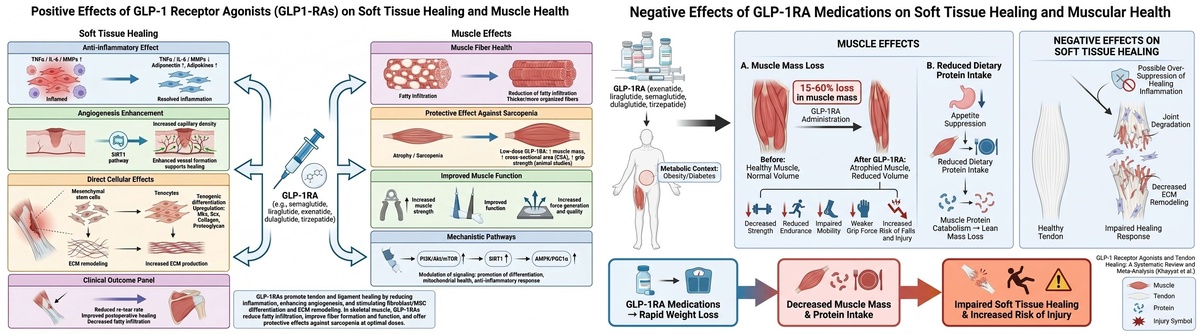
In this systematic review and meta-analysis, we examined the emerging relationship between GLP-1RAs and soft tissue healing outcomes, focusing on mechanistic and clinical evidence. Our synthesis revealed a consistent mechanistic signal from experimental studies, indicating that GLP-1RA exposure may influence tendon and ligament healing through immunomodulatory and metabolic pathways, such as reduced inflammation, altered cytokine profiles, and enhanced extracellular matrix remodeling; this is summarized graphically in Figure 3. Clinically, a pooled analysis of two retrospective cohorts suggested a lower risk of revision surgery following TSA in patients exposed to GLP-1RAs. However, these findings should be interpreted with caution because both studies were retrospective and remained vulnerable to confounding factors and clinical heterogeneity. These findings align with the increasing recognition of connective tissue repair as a biologically active process influenced by the systemic metabolic status. Mechanistic plausibility, combined with early clinical observations, underscores the potential of GLP-1RAs to influence perioperative outcomes, not merely through glycemic control but also via potential direct effects at the tissue level. Nevertheless, this should be interpreted with caution, as several potential negative effects on soft tissue healing and muscle metabolism have been reported in association with GLP-1RA use (Figure 4).
Figure 3
Summary diagram of the positive effects of GLP-1RA use on soft tissue healing and muscle physiology
GLP-1RA – glucagon-like peptide-1 receptor agonist, ECM – extracellular matrix, TNF-α – tumor necrosis factor alpha, IL-6 – interleukin 6, MMP – matrix metalloproteinases, SIRT1 – silent mating type information regulation 2 homolog 1, Mks – megakaryocytes, Scx – scleraxis, a master transcription factor protein that acts as a specialized marker for tendon and ligament progenitor cells, PI3K – phosphoinositide 3-kinase, Akt – protein kinase B (PKB), a serine/threonine kinase involved in intracellular signaling, mTOR – mechanistic target of rapamycin, that is a serine/threonine protein kinase, AMPK – AMP-activated protein kinase, PGC1-α – peroxisome proliferator-activated receptor gamma coactivator 1-alpha.
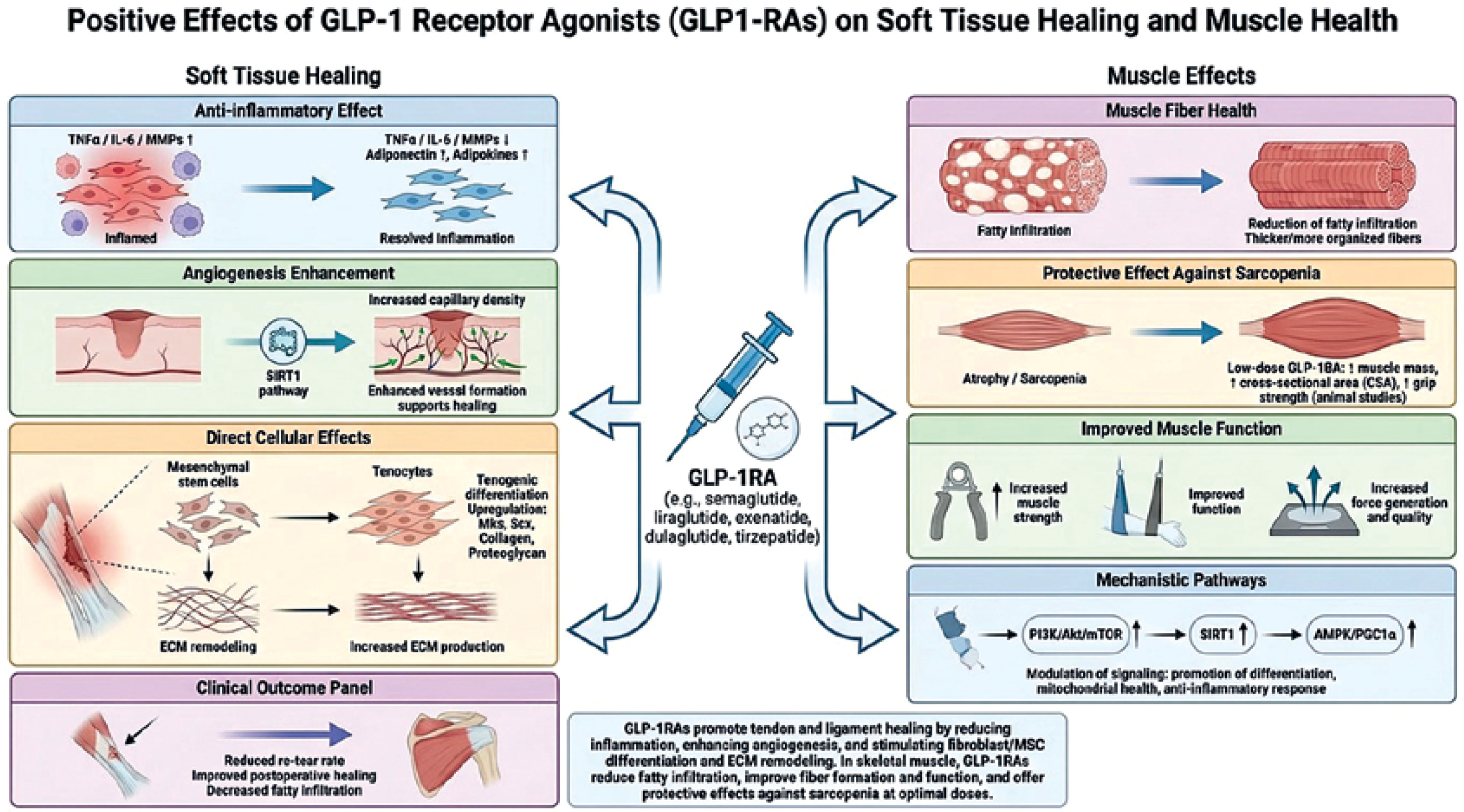
Figure 4
Summary diagram of the negative effects of GLP-1RA use on soft tissue healing and muscle physiology
GLP-1RA – glucagon-like peptide-1 receptor agonist, ECM – extracellular matrix.
This study has several limitations. First, only two retrospective cohort studies were eligible for quantitative synthesis, which limited the statistical robustness and increased the influence of study-level biases. Second, despite the low statistical heterogeneity, clinically meaningful heterogeneity remained across the studies, including differences in patient populations, indications for GLP-1RA therapy, surgical setting, exposure timing, comparator composition, outcome definitions, and follow-up duration. Third, residual confounding factors, such as glycemic control, obesity severity, rehabilitation protocols, surgical technique, and baseline comorbidity burden, cannot be excluded. Finally, preclinical studies vary substantially in species, models, and endpoints, limiting the direct translation of mechanistic findings into clinical practice.
Therefore, these findings should be interpreted with caution. Although the pooled OR suggested a protective association, the evidence remains preliminary because it was derived from only two retrospective cohorts and may have been influenced by residual confounding, exposure misclassification, and differences in patient selection and perioperative management. The convergence of biological rationale and early clinical signals is encouraging but insufficient to support definitive practice changes.
Given the expanding use of GLP-1RAs for diabetes, obesity, and cardiovascular risk reduction, many patients undergoing orthopedic procedures are exposed to these agents. Clinicians should be aware of the possible implications for tendon and ligament healing, document the exposure status, and consider potential interactions in perioperative planning.
Future directions – several viewpoints should be considered, including the need for prospective trials to assess perioperative GLP-1RA continuation vs. discontinuation prior to medication use, the need to further explore mechanistic studies in human tendons and fibroblasts, the identification of personalized approaches based on metabolic phenotypes, the evaluation of different joint type responses beyond the shoulder, and the recognition of combined therapies targeting synergistic pathways.
In conclusion, GLP-1RAs show promising biological effects on tendon and ligament healing in preclinical models and may be associated with potential benefits for perioperative musculoskeletal outcomes. However, current clinical evidence is retrospective, limited, and affected by clinical heterogeneity and potential confounding factors. Prospective studies are needed before GLP-1RAs can be considered as an evidence-based strategy for tendon healing or postoperative soft tissue recovery.