Introduction
Major depressive disorder (MDD) is a complex, multi-faceted, recurrent psychiatric disorder associated with reduced functional ability, poor quality of life (QoL), and high morbidity and mortality [1]. It is one of the predominant causes of disability globally [2]. The World Health Organization (WHO) lists depression as the fourth leading cause of disability worldwide and anticipated that it will be the second leading cause by 2020 [1, 3]. Accurate information about the global prevalence of MDD is essential to reduce this mental disability [4]. Bromet et al. conducted a study on 18 countries (ten high-income and eight low-income countries) and estimated the average lifetime and 12-month prevalence rates of MDD to be 14.6% and 5.5%, respectively, in ten high-income countries, and 11.1% and 5.9%, respectively, in eight low-income countries [1].
The management of MDD largely involves psychological or pharmacological therapy or a combination of both, which needs to be applied during the entire period of depression [5–7]. According to the practice guidelines of the American Psychiatric Association (APA), the treatment must be specific for the individual patient, depending on disease severity, comorbid psychiatric and physical conditions, and the level of functioning [5, 6, 8, 9]. The standard treatment of care for MDD is antidepressant medications; among them, the recommended first-line treatment is selective serotonin reuptake inhibitors (SSRIs) [10]. These medications are widely used because of their superior tolerability, higher efficacy, better safety, and simpler titration as compared to the other antidepressants [7, 11–14].
The commonly used SSRIs are citalopram, fluoxetine, fluvoxamine, escitalopram, paroxetine, and sertraline. Usually, SSRIs, analogously to other antidepressants, require several weeks to even a few months to alleviate the symptoms of depression; hence, patients must adhere to the medication for a specific period [10]. However, SSRIs are known to produce treatment-emergent sexual dysfunction (TESD) as an adverse event (AE), which considerably affects a person’s QoL, self-esteem, and relationships [15]. Subsequently, many patients show non-adherence or discontinue treatment [10]. Hence, the treatment outcome is adversely affected, which is an essential clinical concern in the management of MDD patients [16].
The human sexual response cycle (desire, arousal, and orgasm) is a complex biopsychological cycle [17]. Some studies have suggested that the physiology of sexual functioning and mood regulation revolves around the mechanism of action of three different neurotransmitters – serotonin, dopamine, and norepinephrine – with serotonin, also known as 5-hydroxytryptophan (5HT), having a negative effect on sexual desire in contrast to dopamine [18, 19]. An increased level of serotonin reduces sexual function by delaying vaso-congestion (reducing arousal mechanism in sexual organs) and lowering the sensation of the reproductive structure [15, 18]. Moreover, the serotoninergic nerve terminal inhibits the activity of dopamine and norepinephrine pathway, thus reducing sexual desire and arousal [15]. SD associated with SSRI mainly results from an elevated level of serotonin (5HT2 and 5HT3), decreased dopamine, blockage of cholinergic and α1 receptors, increased prolactin, and reduced nitric oxide (NO) activity [15, 16, 20].
SSRI registration studies, at the earlier stages, identified only 10% of patients reporting TESD after taking SSRI [21]. However, about 60–70% of patients were found to develop TESD when the doctors directly asked them about the specific AEs [21–23]. The sexual AEs and specific sexual experience may vary from patient to patient [13]. SD includes at least one of the following: decreased libido, erectile dysfunction (ED) or reduced arousal, vaginal dryness, premature ejaculation, delay in achieving orgasm or anorgasmia, and decreased pleasure during orgasm [21, 23].
ED is primarily caused by disruption of the complex interactions of vascular, neurologic, hormonal, and psychological factors required for normal erection and secondarily caused by certain medications, such as antidepressants and antihypertensives [23]. Penile erection is thought to be under the control of the adrenergic system since many adrenergic nerve fibers innervate the penile contractile and erectile tissue [24]. Additionally, NO is responsible for smooth muscle relaxation of the vasculature of the penis through cyclic guanosine monophosphate, leading to vasodilation and adequate blood supply to the penis allowing erection physiologically; therefore, reduced action of NO causes a problem with erection [15, 24]. Serotonin is also known to reduce the NO level [24]. Besides this indirect effect on penile erection through NO level, serotonin plays a direct role in ED development [24]. Supraspinal areas of the brain and preganglionic sacral neurons responsible for sexual excitement possess significant serotonergic activity indicating a direct role of serotonin in ED development [24].
SSRIs, although particularly selective for the serotonergic system, also affect other neurotransmitter systems [24]. Paroxetine, at a high dose, blocks the reuptake of norepinephrine and also possesses a clinically remarkable anticholinergic effect, while sertraline and fluoxetine inhibit both norepinephrine and dopamine uptake [24]. A prospective clinical study, including 344 participants, determined that paroxetine was responsible for causing the highest number of sexual AEs (64.71%), followed by fluvoxamine (58.94%), sertraline (56.4%), and fluoxetine (54.38%), and the most significant AE of paroxetine is ED, indicating variation in the effect of different SSRIs on the development of SD or even ED in males [25].
The present systematic review aimed to evaluate the available literature on high-evidenced clinical studies and randomized controlled trials (RCTs) to reach a better conclusion about the effect of different types of SSRI medications on the development of SD, particularly ED in male patients suffering from MDD.
Material and methods
The systematic review was conducted according to the Preferred Reporting Items for Systematic Reviews and Meta-Analyses (PRISMA) guidelines [26].
Search strategy
To carry out this review, published literature in the English language was searched using two electronic databases, PubMed and EMBASE. The keywords “selective serotonin reuptake inhibitors”, and “sexual behavior” were combined and Boolean operators “AND” and “OR” were used to obtain a broad search strategy. The search strategy used for each database is presented in Table I. Studies were screened according to the predefined inclusion and exclusion criteria. Additionally, the reference lists of the articles included after secondary search were screened to identify any additional articles relevant to the topic.
Table I
Description of database search strategy for the review
Inclusion and exclusion criteria
Studies were deemed eligible for inclusion if they met the following criteria: (1) were clinical studies or clinical trials (Phases 1, or 2, or 3, or 4), or randomized controlled trials, conducted in last 10 years on MDD patients receiving SSRI medications, (2) had reported any health outcome associated with SD, particularly ED, as an AE with SSRI medications used to treat MDD, (3) had an emphasis on SD and/or ED in adult males with MDD, and (4) were published in English-language refereed journals. Although the review focused on the male population, studies conducted both on adult male and female MDD patients taking SSRI medications were included in this review due to the unavailability of studies conducted solely on male patients suffering from MDD and treated with SSRI.
Studies conducted on subjects of age less than 18 years, or healthy individuals, or individuals suffering from other depressive episodes and anxiety disorders instead of MDD, or individuals not taking SSRI antidepressants, or individuals suffering from ED before taking SSRIs, or studies not fulfilling the research objective, were excluded from this review.
Selection of studies
The titles and abstracts of retrieved records were combined and transferred into the digital reference manager (EndNote) and the duplicate articles were removed. Two levels of screening were conducted. The first selection step or the primary search was based on the title and the abstract of the retrieved articles. In the second step or secondary search, the articles meeting the inclusion criteria based on their title and abstract were subjected to complete reading. After reading the full articles, the relevant articles to be included in the review were selected.
Quality assessment and data extraction
Studies meeting the eligibility criteria were assessed for the methodological quality. The methodological quality of the included studies was assessed by the Jaded score. This methodological assessment tool estimates the descriptions of randomization, blinding, and withdrawals in the RCTs. The description of the Jaded quality score is as follows: i) whether randomized or not (yes = 1 point, no = 0), ii) whether appropriate description of randomization is provided or not (yes = 1 point, no = 0), iii) double blind (yes = 1 point, no = 0), iv) whether appropriate description of double blinding is provided (yes = 1 point, no = 0), v) whether description of withdrawals and dropouts is provided or not (yes = 1 point, no = 0). Jaded quality score is a 0- to 5-point scale with a score of 2 or less indicating a low-quality score and a score of at least 3 or more indicating high quality [27]. The included studies were then subjected to data extraction. The extracted data were aligned to the review question. A data extraction table was prepared, which summarized all the data points used for the analysis of the included studies. The extracted data included the following information: i) study characteristics (such as study design, duration, country of study, inclusion and exclusion criteria, and study objective), ii) study participants, iii) sample size (including randomized samples, actual participants, withdrawals from the study), iv) intervention (drugs, dose, duration, and study groups based on different drugs received), v) outcome measures, and vi) adverse events, particularly SD and/or ED associated with the SSRIs.
The extracted data were analyzed descriptively. The extracted data points from the included studies were presented as a narrative synthesis in this systematic review.
Results
Literature search results
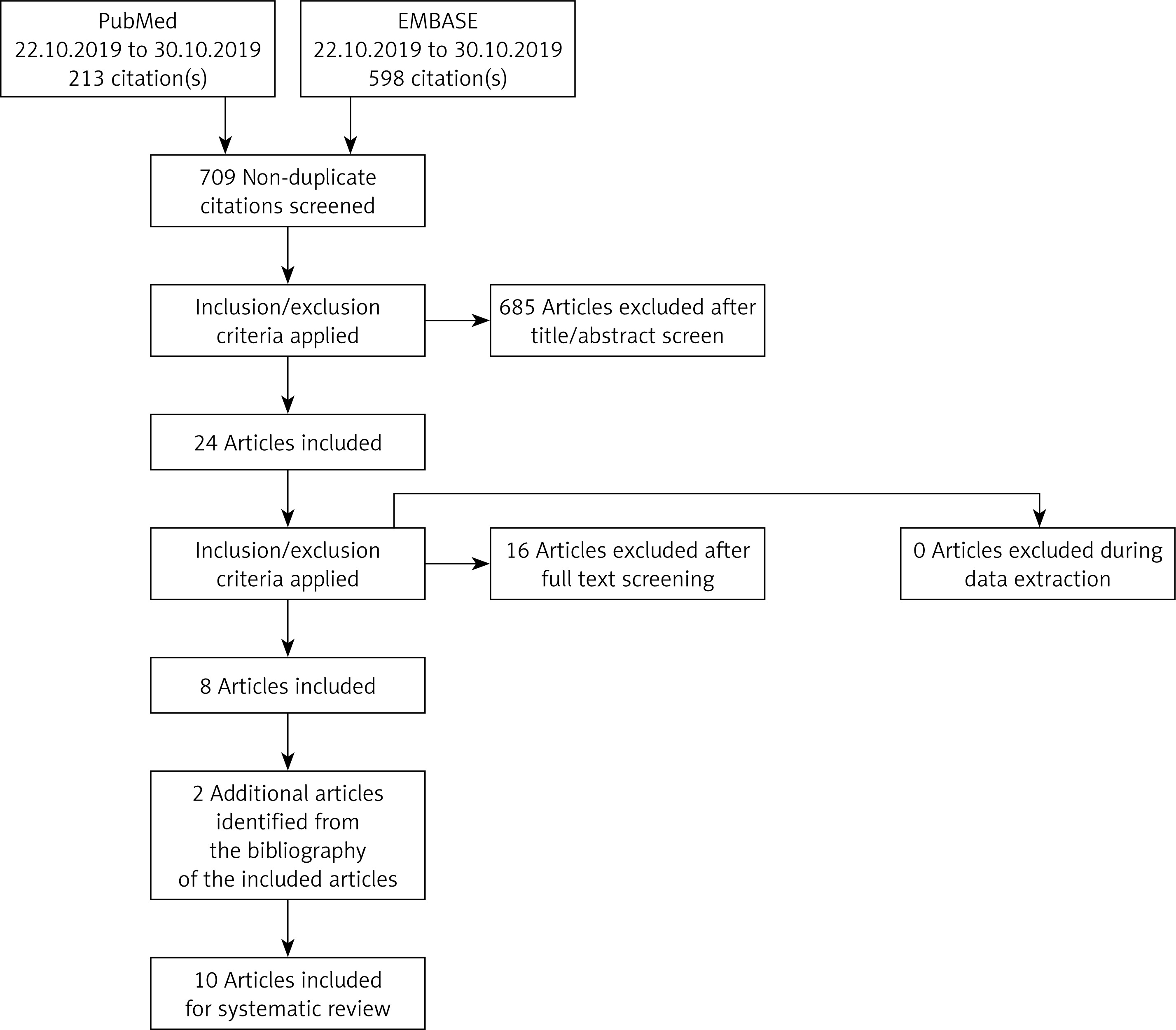
The initial electronic database search retrieved a total of 811 articles (213 from PubMed and 598 from EMBASE) based on predefined search criteria. Among them, 102 were duplicate articles, hence excluded, leaving 709 effective articles for screening. After primary search, 24 articles were found to be potentially relevant for the review according to the information obtained in their abstracts. The full texts of these articles were then screened and 17 were identified for probable inclusion in the review and seven were rejected for different reasons (different aim and outcomes, inappropriate publication type). The full text of these 17 articles was read again carefully to assess whether they fulfill the aims of this review. After completion of reading, nine additional studies were excluded in this step due to different aims or inappropriate publication types. Thus, eight articles were eligible for inclusion in the study. Since the number of articles included was lower, the reference lists of these eight articles were scrutinized for additional articles relevant to the topic. The bibliography search resulted in the identification of two more studies potentially meeting the inclusion criteria of this review. Therefore, a total of ten studies were eligible for the final analysis (Figure 1). All these studies included both depressed male and female patients; however, this review only highlighted the male patients developing SD, particularly ED under the effect of different SSRIs.
Overview of study characteristics
The name of the authors who conducted the study, the study design, duration, objective, study location, study population, outcome measures, drug intervention, and AEs of all drugs related to each study are summarized in Table II. All ten studies included for analysis were published in English between January 2009 and September 2019. A large variation was observed among the duration of the included studies ranging between 8 and 52 weeks; one study had a duration of 14 weeks [7], the majority of the studies had a duration of 8 to 12 weeks [22, 28–33], one study had a duration of 52-weeks [34], and the duration was not mentioned for one study [35].
Table II
Characteristics of the 10 included studies
| Authors (year of study) | Study design; study duration | Sample size | Sample characteristics | Drug intervention | Adverse sexual effects due to SSRI treatment |
|---|---|---|---|---|---|
| Crawford et al. (2014) [28] | Multicenter, randomized controlled trial; 12 weeks | 601 | Adult male (n = 193) and female patients (n = 408) of age 18–74 years with depression fulfilling the International Classification of Disease-10th Revision (ICD-10) criteria for depression (category F32) | Citalopram (20 mg/day initially and then raised to 30 mg, 40 mg) (n = 298), reboxetine at initial dose of 10 mg/day, then raised to 12 mg and 16 mg/day (n = 303) | Erectile dysfunction (ED) and difficulty in ejaculation in males |
| Khazaie et al. (2015) [7] | Single-blind, randomized controlled trial; 14 weeks | 195 | Adult male (n = 102) and female (n = 93) patients of age 26–50 years meeting the Diagnostic and Statistical Manual of Mental Health 4th ed. text version (DSM-IV-TR) criteria for major depressive disorder (MDD) | Fluoxetine (n = 67) (initial dose 20 mg/day adjusted to 40 mg/day) and sertraline (n = 64), initial dose 50 mg/day and then to 200 mg/day, trazodone (n = 64) | In fluoxetine group, less vigorous erections in 18 males, fewer sustained erections in 16 males, fewer spontaneous erections in 16 males. In sertraline group, less vigorous erections in 14 males, fewer sustained erections in 13 males, and fewer spontaneous erections in 13 males |
| Jacobsen et al. (2015) [33] | Randomized, multicenter, double-blind trial; 12 weeks | 447 | Male (n = 184) and female (n = 263) of age 18–55 years with MDD and were on a stable selective serotonin reuptake inhibitor (SSRI) treatment regimen. Eligible participants were required to be sexually active at least every 2 weeks before onset of MDD or SSRI use | Vortioxetine (20 mg/day) (n = 222) and escitalopram (20 mg/day) (n = 225); 97 males received vortioxetine and 87 males received escitalopram | Nine (9) patients in escitalopram group showed sexual side effects including decreased libido (n = 5), anorgasmia, delayed ejaculation, disturbance in sexual arousal, and erectile dysfunction (ED) (all n = 1). No patient in vortioxetine group spontaneously reported any adverse event related to sexual dysfunction (SD) |
| Williams et al. (2010) [35] | Cross-sectional survey study; duration unknown | 704 | Adult male (n = 207) and female (n = 497) of age at least 18 years taking SSRI medications for no less than 3 months and no more than 6 months of the study period | Citalopram (n = 105), sertraline (n = 56), fluoxetine (n = 166), paroxetine (n = 169), and venlafaxine (n = 142). In German sample the most used antidepressant was venlafaxine (34.0%) n = 87, in Spain, fluoxetine (44.0%) n = 113, and in the Netherlands, paroxetine (30.9%) n = 59 | Changes in sexual functioning included sex drive, arousal, erection, and orgasm. In Germany, 22.6% of males reported about a little worse and much worse ED, in Spain 40.4% and 9.6% reported a little worse and much worse ED, and in the Netherlands 38.2% and 16.4% reported the same |
| Clayton et al. (2015) [22] | Post-hoc analysis of a primary double-blind, randomized, phase IV-controlled trial comparing vilazodone with placebo and citalopram as an active control; 10 weeks | 1138 | Adult male and female outpatients of age 18–70 years meeting DSM-IV-TR criteria for MDD with an ongoing major depressive episode lasting for at least 8 weeks and up to 12 months | Vilazodone 20 mg/day (n = 288), vilazodone 40 mg/day, citalopram (40 mg/day) (n = 287), citalopram (40 mg/day) (n = 282), and placebo (n = 281) | Citalopram group showed highest treatment-emergent SD (TESD), particularly anorgasmia and loss of libido. ED in males occurred in similar frequencies in the citalopram, vilazodone, and placebo groups (n = 3). Decreased libido among men: 2 in placebo, 3 in vilazodone (20 mg/day), 4 in vilazodone (40 mg/day), and 2 in citalopram group |
| Gelenberg et al. (2013) [31] | Multicenter, randomized, double-blind, multiphase trial; 10 weeks | 1096 | Adult male (n = 381) and female (n = 666) outpatients of age 18 years or more with recurrent MDD, meeting DSM-IV criteria for MDD | 105 males received fluoxetine 20–60 mg/day and 276 males received and venlafaxine ER 75–300 mg/day | Low rates of new-onset SD, including abnormal ejaculation, anorgasmia, impotence, and reduced libido. ED in 3 males in fluoxetine group and 34 males in venlafaxine group |
| Mathews et al. (2014) [29] | Multicenter, randomized, double-blind, placebo-controlled, parallel-group, fixed-dose study; 10 weeks | 1162 | Adult male and female patients meeting DSM-IV-TR criteria with an ongoing major depressive episode lasting for at least 8 weeks and up to 12 months | Vilazodone 20 mg/day (n = 288), vilazodone 40 mg/day (n = 287), citalopram 20 mg/day (n = 257), and placebo (n = 281) | Erectile dysfunction: n = 3 (placebo), n = 3 (vilazodone 40 mg/day), n = 3 (citalopram); premature ejaculation (n = 1) and ejaculation failure (n = 1) both in citalopram group; ejaculation delay (n = 1) in vilazodone (20 mg/day) and n = 2 in each of vilazodone (40 mg/day) and citalopram groups |
| Boulenger et al. (2014) [32] | Double-blind, randomized, fixed-dose, placebo-controlled, active-referenced study; 8 weeks | 607 | Adult male (n = 207) and female (n = 400) patients of age at least 18 and up to 75 years meeting DSM-IV-TR criteria with an ongoing major depressive episode lasting for at least 8 weeks and up to 12 months | Vortioxetine 15 mg/day (n = 152), vortioxetine 20 mg/day (n = 151), duloxetine 60 mg/day (n = 147), and placebo (n = 158) | The incidence of AEs related to SD (abnormal orgasm, anorgasmia, ejaculation delayed, erectile dysfunction, reduced libido, lowered sensation, sexual dysfunction) was 2.5% in placebo, 2.0% in vortioxetine (15 mg), 4.0% in vortioxetine (20 mg), and 3.5% in duloxetine groups |
| Croft et al. (2014) [30] | Multicenter, randomized, double-blind, placebo-controlled, parallel-group, fixed-dose study; 8 weeks | 518; 505 intent-to-treat-population | Adult male and female patients of age 18–70 years inclusive, meeting DSM-IV-TR criteria with an ongoing major depressive episode lasting for at least 8 weeks and up to 12 months | Vilazodone (n = 253) different doses: 10 mg/day (week 1), 20 mg/day (week 2), and 40 mg/day (weeks 3–8), placebo (n = 252) | Low incidence of TESD was observed Vilazodone treated male patients reported ED and delayed ejaculation more than placebo group. Erectile dysfunction: n = 6, male sexual dysfunction: n = 2, ejaculation delay, n = 3 |
| Jacobsen et al. (2015) [34] | Long-term, phase III, open-label, flexible-dose extension clinical study in patients who completed one of three randomized, double-blind, placebo-controlled, 8-week vortioxetine trials; 52 weeks | 1075 | Adult male (n = 285) or female patients (n = 790) of age 18–75 years with MDD according to DSM-IV-TR criteria | Vortioxetine (n = 1073) 10 mg/day (week 1) and then adjusted to 15 to 20 mg/day | Low incidence of TESD, including ED and ejaculation disorder. 5 patients had ED, 2 patients had male SD, 1 had ejaculation delay, 1 had ejaculation disorder, and 1 had ejaculation failure |
Study design
Nine out of ten studies were randomized trials [7, 22, 28–34], and one was a cross-sectional study [35]. Among nine randomized trials, seven used a double-blind procedure [22, 29–34], one used a single-blind procedure [7], and one did not blind the patients, physicians, and researchers to treatment allocation [28].
Study quality assessment
Out of ten studies, five studies had a score of 3 [7, 22, 28, 31, 34], three studies had a score of 5 [29, 30, 33], and one study had a score of 4 [32]; therefore a total of nine studies had a quality score of 3 or more and were of high quality. Only one study was a cross-sectional survey, so the Jaded score was zero and was of low quality [35]. The quality scores of the included studies are presented in Table III.
Table III
Jaded Quality Score of the included randomized controlled trials
| Study (author and year of study) | Factors and Jaded score | |||
|---|---|---|---|---|
| Randomization | Blinding | Withdrawals and dropouts | Total Jaded score | |
| Khazaie et al. (2015) [7] | 2 | 0 | 1 | 3 |
| Clayton et al. (2015) [22] | 2 | 1 | 0 | 3 |
| Croft et al. (2014) [30] | 2 | 2 | 1 | 5 |
| Gelenberg et al. (2013) [31] | 1 | 1 | 1 | 3 |
| Jacobsen et al. (2015) [34] | 1 | 1 | 1 | 3 |
| Jacobsen et al. (2015) [33] | 2 | 2 | 1 | 5 |
| Mathews et al. (2014) [29] | 2 | 2 | 1 | 5 |
| Crawford et al. (2014) [28] | 2 | 0 | 1 | 3 |
| Williams et al. (2010) [35] | 0 | 0 | 0 | 0 |
| Boulenger et al. (2014) [32] | 2 | 1 | 1 | 4 |
Study population
All ten studies included adult male and female participants of age 18 years or more, suffering from MDD and treated with different SSRI medications. There was heterogeneity in the sample size across the studies ranging from 195 [7] to 1162; except two studies [7, 33] all eight studies had more than 600 participants [22, 28–32, 34, 35]. The patients with MDD were included in the study if they met the criteria of Diagnostic and Statistical Manual of Mental Health 4th ed. text version (DSM-IV-TR) and had an ongoing depressive episode lasting more than 8 weeks [7, 22, 29–34], or met the International Classification of Disease-10th Revision (ICD-10) criteria for depression (category F32) [28]. All the studies excluded individuals with unstable psychotic symptoms, suicidal tendencies, clinically significant medical history, substance abuse, or a history of SD before taking SSRI medication.
Study objectives
Most studies (7 out of 10) were designed to assess the sexual AEs of different SSRI medications on adult MDD patients [7, 22, 28, 31–33, 35]. Two studies aimed to detect the safety, efficacy, and tolerability of vilazodone in the treatment of MDD [29, 30], and one study was designed to evaluate the long-term safety and tolerability of higher doses of vortioxetine.
Drug intervention
Different types of SSRI medications were used in these studies including fluoxetine, vortioxetine, vilazodone, sertraline, citalopram, paroxetine, and escitalopram. As a control or comparator, a selective serotonin and norepinephrine reuptake inhibitor (SNRI), such as venlafaxine and duloxetine, or a noradrenaline reuptake inhibitor, such as reboxetine, was used in some studies [28, 32, 35]. The doses of SSRI medications varied in the studies. Vilazodone was used at two doses, 20 mg/day and 40 mg/day [22, 29, 30]; vortioxetine was used at a dose of 10 mg to 20 mg/day [32–34]; fluoxetine was used at a dose of 20–60 mg/day; and escitalopram was used at a dose of 20 mg/day [33]. For citalopram, the initial dose was 20 mg/day, which was increased to 30 mg/day to 40 mg/day [28].
Outcome measures
All these studies considered two types of outcomes of the SSRIs: i) related to sexual function, ii) related to depressive symptoms. For this systematic review, the outcome measure primarily involved the assessment of the sexual AEs of the SSRI medications, particularly ED in male participants. Different studies used diverse ways to collect information on sexual functioning. A self-administered questionnaire (a modified version of the Toronto Side Effects Scale) was used to measure 14 physical symptoms at baseline, 6 weeks, and 12 weeks to identify the occurrence of AEs in one study [28]. The Sexual Function Questionnaire (SFQ), a self-report questionnaire evaluating three domains of sexual function (desire, arousal, and orgasm), was used to assess the sexual function of the patients before and after treatment in one study and reported about internal consistency (Cronbach’s α coefficient was 0.70) and test-retest reliability [7]. The Change in Sexual Functioning Questionnaire (CSFQ-14) tool was used in four studies [22, 29, 33, 34]. CSFQ-14 is a 14-item self-report scale consisting of several domains, which assesses different phases of the sexual cycle. CSFQ is mostly used to measure changes in sexual functioning associated with the effects of antidepressant treatment [22]. A decrease in CSFQ-14 total score indicates worsening of sexual functioning, which is defined as TESD [36]. SD in men was defined as a CSFQ score up to 47 and in women up to 41 [22]. The Arizona sexual experience scale (ASEX), a five-item rating scale, was used by Williams et al. to evaluate sexual functioning (sex drive, arousal, ability to reach orgasm, satisfaction with orgasm, and penile erection for males or vaginal lubrication for females) of the participants [35]. The study by Boulenger et al. also used the ASEX score to assess the number of participants who were normal at baseline but developed SD during the study period and SD was defined as an ASEX total score of at least 19, a score of minimum 5 on any item or a score of minimum 4 on any three items [32]. One study used the Hamilton Depression Rating Scale for sexual function assessment, where SD was defined as an item 14 (genital symptoms) score of 2, where 0 indicates none, 1 mild, and 2 severe [31]. Croft et al., in their study, did not include a scale to measure sexual function [30].
Treatment-emergent sexual dysfunction particularly erectile dysfunction in depressed men
There were a total of 7543 male and female participants in ten included studies. The details of TESD among the participants of the included studies are described in Table II. Khazaie et al. noted a significant difference (p < 0.05) in SD in males across different antidepressant drugs used (fluoxetine, sertraline, and trazodone, a serotonin receptor agonist and reuptake inhibitor or SARI) with the highest SD in the fluoxetine group [7]. Erectile dysfunction and premature ejaculation were the two most common TESDs observed in males [7]. In the fluoxetine group, 51%, 46%, and 46% of males and in the sertraline group, 42%, 39%, and 39% of males showed less vigorous erections, fewer sustained erections, and fewer spontaneous erections, respectively [7]. Fluoxetine was correlated with maximum impairment (43–51%) and impairment in desire or drive-related items in SFQ was less in the sertraline than in the fluoxetine group [7]. Moreover, impairment in arousal/orgasm items was greater in males than in females [7]. Gelenberg et al. reported that out of 381 males (105 receiving fluoxetine and 276 receiving venlafaxine), 3 patients (0.078%) receiving fluoxetine developed ED and the proportion of the fluoxetine-treated patients reporting new-onset SD including abnormal ejaculation, anorgasmia, and decreased libido peaked at week 6 [31].
In a long-term, phase III, open-label clinical study with vortioxetine, a low rate of TESD was observed among the participants; out of 285 males, only 5 (1.75%) developed ED and 3 (1.05%) had ejaculation-related problems [34]. In one study with 447 participants, out of whom 184 were males receiving escitalopram or vortioxetine, 9 patients in the escitalopram group reported reduced libido, one reported disturbance in sexual arousal and ED (0.54%), and one reported delayed and failed ejaculation; in contrast, the patients receiving vortioxetine did not report spontaneously treatment emergent adverse effects (TEAEs) related to SD [33]. In this study, the difference between the effect of vortioxetine and escitalopram was found to be significant only in men; mean (SD) increase in CSFQ-14 total score was significantly higher in the vortioxetine group (8.8) than in the escitalopram group (6.6; p = 0.013) [33]. In a study by Boulenger et al. including 207 males, TESD (orgasm abnormality, ejaculation delay and disorder, ED, reduced SD, orgasmic sensation, reduced libido) was found in 2.0% of patients taking vortioxetine 15 mg, in 4.0% of patients taking vortioxetine 20 mg, and in 2.5% of the placebo group, and in 3.5% (n = 5) of patients taking duloxetine, indicating that there was not much difference between the effects of vortioxetine (15 mg and 20 mg) and placebo on SD in male MDD patients [32].
Crawford et al. noted that ED and difficulty in ejaculation appeared in males within 2 weeks of citalopram administration and the AE was gradually reduced over the 12-week study period [28]. Moreover, there was a large amount of missing data for the questions linked to male-specific AEs, especially for ED, 86% (n = 160) at 2 weeks, 86% (n = 149) at 6 weeks, and 85% (n = 124) at 12 weeks [28].
In a placebo-controlled study with vilazodone, more male patients receiving vilazodone treatment than treated with placebo showed ED ((n = 6), 4.8% vs. 0.9%)) and delayed ejaculation ((n = 3), 2.4% vs. 0) [30]. In another placebo-controlled study with two doses of vilazodone (20 mg/day and 40 mg/day), citalopram, and placebo involving a total 1138 male and female patients, three male patients (frequency: 2.4 to 2.6%) developed ED in each of the three intervention groups – placebo, vilazodone (40 mg/day), and citalopram – and the frequency of ejaculation delay among males was 0.8% in vilazodone (20 mg/day), 1.6% in vilazodone (40 mg/day), and 1.7% in citalopram groups [29]. The overall TESD was found to be higher in males receiving citalopram compared to vilazodone and placebo [29]. Clayton et al., in their study with adult male and female MDD patients who were treated with vilazodone (20 mg/day), vilazodone (40 mg/day), citalopram, and placebo, found an increase in CSFQ total score in all treatment groups from baseline to week 10, and in men the mean change of score was 3.5 for placebo, 2.4 for vilazodone (20 mg/day), 1.2 for vilazodone (40 mg/day), and 2.1 for citalopram [22]. Moreover, the occurrence of ED in males appeared with similar frequencies in the citalopram (2.6%), vilazodone (2.4%), and placebo (2.4%) groups [22]. In a study involving three European countries (Germany, Spain, and the Netherlands) with MDD patients receiving different SSRI and SNRI antidepressants (including fluoxetine, sertraline, citalopram, paroxetine, and venlafaxine) the estimated prevalence of SD due to SSRIs or SNRI treatment was 37.1% in Germany, 61.5% in Spain, and 53.4% in the Netherlands [35]. Overall, 46.4% of male participants were classified as the anti-depressant-associated sexual dysfunction (AASD) group [35]. Percentages of males reporting about the worst ED were 22.6% in Germany, 9.6% in Spain, and 16.4% in the Netherlands [35].
Discussion
This systematic review included data from ten studies with more than 7500 male and female MDD patients receiving various SSRIs. The methodological quality assessment of nine studies yielded a good score and only one study had poor quality since it was a cross-sectional survey and thus could not be assessed by the Jaded scoring system [35]. However, we had to include that study due to the lack of adequate studies. Despite limited availability and heterogeneity of studies, there is some evidence that SD in males, which can involve any or all phases of the sexual cycle (such as arousal, libido, orgasm, and ejaculation), is associated with the use of SSRI antidepressants used to treat MDD. Among different TESDs, ED was reported in a small percentage of depressed males (< than even 2%) treated with SSRIs. This can be attributed to underreporting; ED being an intimate subject bears a risk of bias and the men had a tendency to underreport this issue [37]. The study by Gelenberg et al. detected that the rates of TESD assessed based on direct queries about sexual functioning were higher than the spontaneously reported TESDs [31]. Missing data for male SD, particularly related to ejaculation and penile erection, were observed in the study by Crawford et al. [28]. Moreover, there was variation in the tools used to measure sexual function in the studies, which may result in a difference in outcome measures of the different studies.
SSRIs prevent the reuptake of 5HT through an antagonistic effect on the serotonin transporter, thus elevating the level of 5HT in synapses, which in turn causes SD [13]. The etiology of ED is multifactorial, involving endothelial dysfunction, microvascular disease, change in testosterone levels, neurological, and psychological factors [37, 38]. Besides age, comorbidities, and psychiatric symptoms, specific antidepressants might contribute to ED pathogenesis [38]. Erectile dysfunction emerging from SSRI medication is thought to result from the direct penile effect of serotonin [17]. The effects of SSRIs on spontaneous and sexually aroused erections might be under the control of both central and peripheral nervous systems [24]. A study by Corona et al. detected that individuals using SSRI medications had a lower sexual desire and increased ED [17]. Reduced nocturnal or even morning erections could be partly due to SSRI-induced suppression of rapid eye movement [17, 24]. Decreased NO production affects penile erection. Different classes of antidepressants may induce SD in different mechanisms and to a different extent [7].
Paroxetine, an SSRI drug, inhibits the action of NO synthase, thereby lowering the level of NO. Although the mechanism of interaction is not known properly, it is assumed that three NO synthase isozymes bear structural similarity with cytochrome P450 (CYP450) [24]. Paroxetine, being a potent inhibitor of CYP2D6, lowers the levels of NO in patients taking this drug and may lead to the development of ED among them [24]. However, in the current review only one included study used paroxetine and the findings were inconclusive [35]. Vilazodone (20 and 40 mg/day), a novel antidepressant, which is an SSRI as well as 5-HT1A receptor partial agonist, was found to cause ED in similar frequency as that of placebo and citalopram-treated male patients [22, 29]. Also, the incidence of the TESD was found to be less than 5% in both vilazodone and placebo-treated groups in an 8-week, double-blind, placebo-controlled study by Croft et al. [30]. Nonetheless, more male patients treated with vilazodone vs placebo reported ED and delayed ejaculation [30]. Moreover, vilazodone was found to be better tolerated among the participants of this study [30].
Vortioxetine was also found to be an effective, safe, and tolerable drug for long-term treatment of MDD patients at higher doses (15 mg/day or 20 mg/day) since they cause mild to moderate TEAEs, particularly SD [34]. The most remarkable AE associated with vortioxetine was nausea, with an incidence of ≥ 5% [32, 33]. Vortioxetine was found to be well tolerated, with a low rate of patient discontinuation due to TEASs [32, 33]. In the placebo-controlled study, vortioxetine showed male SD in a similar frequency as that of placebo [32]. In the study comparing the effect of vortioxetine and escitalopram on sexual functioning in adults with MDD, patients receiving escitalopram spontaneously reported about TESD, such as ED, anorgasmia, disturbance in sexual arousal, and failed ejaculation, whereas patients on vortioxetine did not spontaneously report any TESD [33].
Another SSRI fluoxetine showed a higher level of sexual impairment in all SFQ items in a study by Khazaie et al., particularly less vigorous erections, fewer sustained erections, and fewer spontaneous erections compared to sertraline [7]. Sertraline works by blocking the reuptake of dopamine in a higher dose and increases the availability of dopamine; unlike serotonin, dopamine increases sexual function and therefore produces fewer sexual AEs [7]. Moreover, about 40% to 50% of patients with normal baseline sexual function experienced TESD during 6-month treatment with fluoxetine [31]. Among all the SSRIs used in the included studies, fluoxetine, escitalopram, and citalopram showed a stronger association with SD and/or ED compared to vilazodone, vortioxetine, and sertraline.
In this review, treatment-emergent SD at different stages of sexual cycles was observed among the male and female MDD patients taking antidepressant medications. In males, ED and ejaculation problems were observed as the two common AEs in the majority of the included studies [7, 22, 28–34]. In MDD patients, SD is commonly associated with both the condition and the treatment (use of SSRI and SNRI antidepressants) [22]. The antidepressants have a positive impact (causing symptom improvement) and negative serotonergic effects (causing SD and other AEs) [22]. Improvement in sexual functioning during an effective antidepressant treatment indicates a balance between the positive and negative effects of SSRI medications so that a patient can have mood and sexual function enhancement [22]. Emphasis has been placed on the importance of individual assessment of probable benefits and harms when selecting antidepressants, since a simple adjustment of different SSRIs (fluoxetine, citalopram, or escitalopram) is not sufficient to obtain better patient outcomes [39]. Hence, clinical management of MDD can be improved by assessing the patient factors (e.g. sex, baseline sexual activity) and treatment factors (mechanism of action of the antidepressants and response to antidepressant medications) [22].
The main strength of this review was its systematic nature in assembling the published literature of the last 10 years on the development of treatment-emergent SD in males, particularly ED because of the use of SSRI antidepressants utilizing rigorous methodology with a wide search strategy. A further strength is that the review involved a wide variety of SSRIs, which allowed assessment of the effects of different SSRIs on sexual functioning.
This study has several limitations. Firstly, this review only included the studies published in the English language and excluded non-peer-reviewed articles and grey literature; in fact there was a scarcity of relevant articles to be included in this review due to which studies containing both males and females were included. However, only ED, characteristic of men, was focused on. Secondly, the observed differences in medication dosages, study duration, or any confounding from simultaneous use of medications or comorbid conditions impacting sexual function, were not considered. Thirdly, the majority of the RCTs included were of shorter duration of 5–12 weeks, except one long-term study of 52 weeks [34], which did not allow evaluation of the long-term effects of different SSRIs on the development of TESD. Fourthly, some of the RCTs did not report baseline SD (which is crucial to know the effect of the drugs); therefore overestimation of the reported rates of SD can occur in these trials. The fifth limitation was that the severity of ED was not described, because of the unavailability of data in the included studies. Finally, the results were narrative, rather than a meta-analysis, which was not possible because of the lack of consistency and variable quality of data among the heterogeneous studies. The heterogeneity of the studies makes it difficult to draw firm inferences from this review. Despite these limitations, the review is a helpful collection of studies depicting the AE of SSRI antidepressants on the sexual functioning of adult males suffering from MDD. The tentative conclusions may be beneficial for directing future research.
In conclusion, the present systematic review highlighted a positive association between SSRI antidepressants and SD. The comparative risk of SD associated with a specific antidepressant was also detected. However, the correlation between different SSRIs and ED development in men cannot be precisely determined due to limited evidence. The onset of treatment-emergent ED or any form of SD (e.g. delayed ejaculation, reduced libido) is a major disadvantage of SSRI medication, which might be distressful for the MDD patient, and they may start to discontinue the medication [10]. This affects the treatment procedure [16]. In this review, we observed that the SSRIs fluoxetine, escitalopram, and citalopram showed a higher risk of SD and/or ED than other SSRIs. Treating both depression and anxiety symptoms along with avoiding SD is found to be important for physicians prescribing antidepressants. Therefore, clinicians should consider SSRI as a risk factor of SD/ED and must regularly discuss with the patients about the adverse sexual effects of different SSRIs. Furthermore, the clinicians must consider the patients’ preferences when selecting an SSRI antidepressant, which is less likely to be associated with SD, and monitor the treatment at the same time. Additional scientific investigations are essential to explore the underlying mechanism of interaction between different SSRIs and ED development.