

Introduction
Morphine, methadone, and other opioid analgesics are widely used for pain management. These drugs primarily act on the central nervous system to inhibit pain transmission, effectively controlling severe cancer pain and chronic pain associated with various cancers. However, as cancer advances, patients often develop drug tolerance and experience increasing side effects, along with reduced drug sensitivity, resulting in insufficient pain relief and the emergence of cancer-related neuropathic pain. Clinical studies indicate that about 20–40% of patients with cancer pain develop neuropathic pain, characterized by symptoms such as numbness in limbs, sharp stabbing, or burning sensations. This type of pain is persistent and difficult to manage and may progressively worsen mental, sensory, and motor dysfunctions, significantly diminishing patients’ quality of life [1–4].
The NCCN Adult Cancer Pain Guidelines recommend that all cancer patients may/should receive optimal treatment through clinical trials, advocating a combination therapy approach for managing cancer pain and cancer-related neuropathic pain [5]. Antidepressants effectively regulate serotonin (5-HT), norepinephrine (NE), opioid receptor levels, and the function of the sympathetic nervous system. These agents potentiate the analgesic and sedative effects of opioids and offer significant benefits in alleviating neurological symptoms [6]. Among them, venlafaxine modulates nitric oxide metabolic pathways in neural tissues, promotes synaptic plasticity, and enhances the brain’s capacity for information processing and storage. When combined with morphine, venlafaxine may reduce opioid dependence and minimize adverse reactions [7]. Alberti et al. demonstrated that 30 mg of duloxetine reduces pain intensity by 30% in adults with fibromyalgia, whereas 25 mg of amitriptyline achieves a 50% reduction [8]. Nevertheless, there remains no consensus regarding the optimal antidepressant to combine with opioid analgesics in clinical practice. Therefore, this meta-analysis aims to assess the efficacy of duloxetine, venlafaxine, amitriptyline, and fluoxetine combined with commonly used opioids for treating cancer-related neuropathic pain, providing valuable clinical insights for managing cancer-associated neuropathic pain.
Material and methods
Data sources
The relevant literature on the combination of duloxetine, venlafaxine, amitriptyline, or fluoxetine with commonly used opioid analgesics for the treatment of cancer-related neuropathic pain was searched in both Chinese and English databases, covering the period from 2000 to 2024. In Chinese databases such as VIP, Wanfang Medical, China National Knowledge Infrastructure (CNKI), and the Chinese Medical Association, search terms included: duloxetine, venlafaxine, amitriptyline, fluoxetine, morphine, methadone, opioid analgesics, cancer pain, and cancer-related neuropathic pain. In English databases like Wiley InterScience, PubMed, Web of Science, Cochrane Library, and Springer Link, search terms used included: duloxetine, venlafaxine, amitriptyline, fluoxetine, morphine, pethidine, venlafaxine combined with morphine, cancer pain, cancer neuropathic pain, and opioid drugs.
Literature screening
Inclusion criteria
(1) The publication years of the included literature are from 2000 to 2024.
(2) The study subjects were diagnosed with cancer based on medical history, pathology, laboratory tests, and imaging examinations.
(3) The study subjects had cancer-related neuropathic pain.
(4) The studies involved the combination of any one of the following antidepressants: duloxetine, venlafaxine, amitriptyline, or fluoxetine with opioid analgesics for treatment.
(5) The study subjects did not have orthopedic, endocrine-metabolic, neurological, hematological, immune system, or psychiatric diseases caused by other factors.
Exclusion criteria
(1) The literature is a systematic review, meta-analysis, network pharmacology analysis, survey report, descriptive study, case study, theoretical review, personal experience summary, animal experiments, scientific conference proceedings, or other similar types of research.
(2) The study subjects had neuropathic pain caused by other diseases, such as post-herpetic neuralgia, neuropathic headache, post-stroke neurological dysfunction, etc.
(3) The literature is unpublished or has academic copyright disputes.
(4) Incomplete information in the literature, such as missing volume/issue/page numbers, vague study content, lack of abstract or full text, unclear treatment methods, or unknown authors.
Literature screening and data extraction
First, relevant literature was searched in both Chinese and English databases using the predefined keywords. The titles of the retrieved articles were then imported into the “NoteExpress 3.2 Literature Retrieval and Management” system for duplicate checking. After the duplication check, the titles and abstracts were carefully reviewed to exclude studies of poor quality or low relevance. Two researchers independently screened the articles based on the inclusion and exclusion criteria and extracted the relevant data. In case of disagreements, a third party with more clinical experience or a higher professional title was invited to make the final judgment. The extracted information included:
(1) Basic information such as the first author, publication year, journal, and country.
(2) Patient characteristics, including the source of the study population, gender, age, sample size, disease duration, and cancer type.
(3) Study design, group allocation or settings, research objectives, intervention methods, outcome measures/observational indicators, and study results.
(4) Key factors that may impact the risk of bias evaluation.
Bias risk assessment tool
The quality assessment of the final included studies was performed using the “Risk of Bias Tool” in the Cochrane web-based Review Manager 5.4. The evaluation criteria included:
(1) Randomization method: whether random sequence generation was used or if patients were grouped based on disease type, admission time, or treatment method, which could lead to selection bias.
(2) Allocation concealment: whether allocation concealment was implemented, which could also lead to selection bias.
(3) Blinding: whether blinding was performed for patients and researchers, which could lead to performance bias.
(4) Blinding of outcome assessment: whether the outcome assessors were blinded, which could lead to detection bias.
(5) Completeness of data: whether there was any attrition, leading to attrition bias.
(6) Selective reporting of results: whether there was selective reporting of outcomes, leading to reporting bias.
(7) Other sources of bias: any other sources of bias, such as data falsification, studies targeting specific populations, or claims of fraudulent research.
The risk of bias for each of the seven categories was evaluated as: “Low Risk”, “High Risk”, or “Unclear Risk”. The results of the assessment were summarized, and a “Risk of Bias” figure was generated using the “figure” function in Review Manager 5.4 software.
Statistical analysis
Data processing for the meta-analysis was performed using the meta-analysis module in Stata 18.0. For binary outcomes, the effect size was expressed as the odds ratio (OR) with a 95% confidence interval (CI). For continuous outcomes, the effect size was presented as the mean difference (MD) with a 95% CI. If the units of continuous variables differed across studies, the standardized mean difference (SMD) with a 95% CI was used to report the effect size. The Q test for heterogeneity was conducted, and the I2 statistic was used to quantify the degree of heterogeneity. If there was no statistically significant heterogeneity among the studies (p > 0.1, I2 ≤ 50%), a fixed-effect model was used to calculate the pooled OR and 95% CI. If statistically significant heterogeneity existed among the studies (p ≤ 0.1, I2 > 50%), a random-effects model was applied to calculate the pooled OR and 95% CI, and a forest plot was generated. Additionally, for combined results involving more than 10 studies, funnel plot analysis was performed to assess the potential for publication bias. The pooled OR and 95% CI were further analyzed using the Z-test, and statistical significance was defined as p < 0.05, indicating that the combined results from multiple studies were statistically significant.
Results
Literature search and process
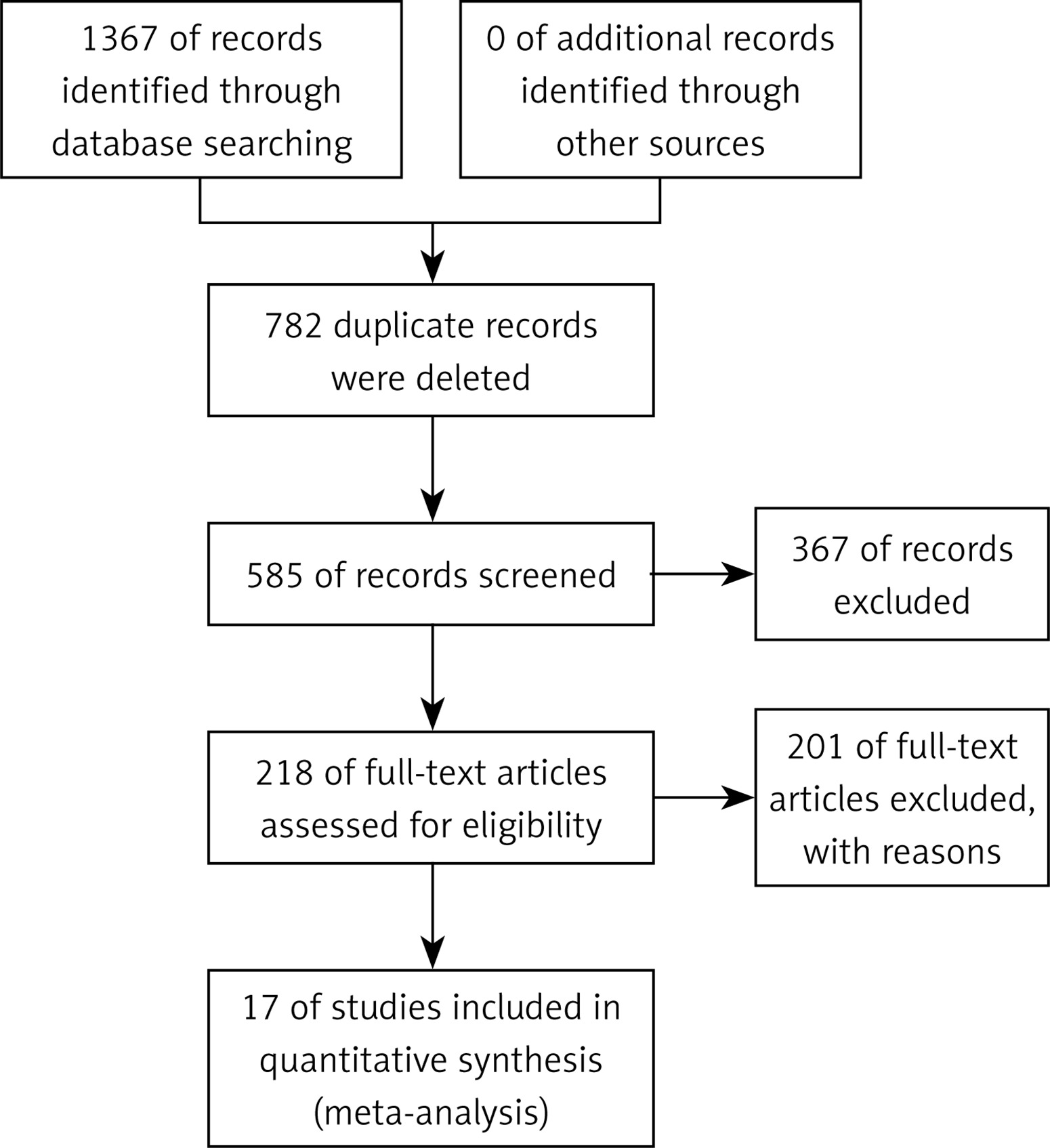
After searching the databases with the Chinese and English keywords, a total of 1367 relevant articles on “duloxetine, venlafaxine, amitriptyline, fluoxetine combined with commonly used opioid analgesics for the treatment of cancer-related neuropathic pain” were identified. The titles of these articles were imported into the “NoteExpress 3.2 Literature Retrieval and Management” system for duplicate checking, resulting in the removal of 782 articles, leaving 585 articles. Titles and abstracts were then carefully reviewed, and 367 articles with low relevance or poor quality were excluded, leaving 218 articles. After applying the inclusion and exclusion criteria, 201 articles were further excluded, leaving 17 articles for final inclusion. The literature screening process is shown in Figure 1.
Basic characteristics of included studies
The final 17 included studies [9–25] were published between 2005 and 2024, involving a total of 1636 patients. Among these, 10 studies [9, 10, 13–15, 21–25] were published in Chinese, and 7 studies [11, 12, 16–20] were published in English. Ten studies [9–11, 15, 16, 19, 22–25] were randomized controlled trials (RCTs), while 7 studies [12–14, 17, 18, 20, 21] were non-randomized controlled trials (Non-RCTs). The details are provided in Table I.
Table I
Basic characteristics of included studies
| Author | Year | N | Type | Research group | Control group | Research measure | Control measure | Observation index |
|---|---|---|---|---|---|---|---|---|
| Mu et al. [9] | 2020 | 80 | RCT | 40 | 40 | Oxycontin + Morphine + Duloxetine | Oxycontin + Morphine | (1) (2) (3) (4) (5) |
| Shang et al. [10] | 2015 | 60 | RCT | 30 | 30 | Oxycontin + Duloxetine | Oxycontin | (1) (4) (6) |
| Matsuoka et al. [11] | 2017 | 70 | RCT | 35 | 35 | Gabapentin + Morphine + Duloxetine | Gabapentin + Morphine | (1) (3) |
| Curry et al. [12] | 2021 | 131 | Non-RCT | 60 | 71 | Methadone + Duloxetine | Methadone | (1) (2) (3) |
| Zhou [13] | 2016 | 86 | Non-RCT | 41 | 45 | Oxycontin + Morphine + Venlafaxine | Oxycontin + Morphine | (1) (4) (5) (6) |
| Ding et al. [14] | 2012 | 45 | Non-RCT | 23 | 22 | Oxycontin + Venlafaxine | Oxycontin | (3) (4) (5) (7) |
| Zhang [15] | 2018 | 48 | RCT | 24 | 24 | Morphine + Venlafaxine | Morphine | (3) (6) (7) |
| Radkhah et al. [16] | 2024 | 88 | RCT | 44 | 44 | Chemotherapy+ Morphine + Venlafaxine | Chemotherapy+ Morphine + Duloxetine | (3) (6) (7) |
| Farshchian et al. [17] | 2018 | 47 | Non-RCT | 23 | 24 | Morphine + Venlafaxine | Morphine + Duloxetine | (3) (5) (6) |
| Hussein et al. [18] | 2022 | 150 | Non-RCT | 110 | 40 | Methadone + Amitriptyline | Methadone + Nortriptyline | (3) (7) |
| Rossignol et al. [19] | 2019 | 44 | RCT | 22 | 22 | Chemotherapy+ Methadone + Amitriptyline | Chemotherapy + Methadone + | (3) |
| Gewandter et al. [20] | 2014 | 462 | Non-RCT | 229 | 233 | Morphine + Ketamine + Amitriptyline | Morphine + Ketamine | (3) (5) |
| He et al. [21] | 2017 | 57 | Non-RCT | 28 | 29 | Morphine + Gabapentin + Amitriptyline | Morphine | (1) (4) (5) (8) |
| Dong et al. [22] | 2013 | 38 | RCT | 19 | 19 | Morphine + Fluoxetine | Morphine | (4) (6) (7) |
| Zhang et al. [23] | 2006 | 100 | RCT | 50 | 50 | Fentanyl + Fluoxetine | Fentanyl | (3) (5) |
| Qian et al. [24] | 2005 | 60 | RCT | 30 | 30 | Morphine + Fluoxetine | Morphine | (4) (5) (6) (8) |
| Kou [25] | 2006 | 70 | RCT | 35 | 35 | Morphine + Fluoxetine | Morphine | (4) (6) (8) |
[i] Note: RCT refers to randomized controlled trials, and Non-RCT refers to non-randomized controlled trials. The outcomes assessed in the included studies include: (1) opioid usage, (2) pain frequency, (3) pain score, (4) depression score, (5) quality of life, (6) efficacy, (7) adverse reactions, and (8) anxiety score.
Bias risk assessment of included studies
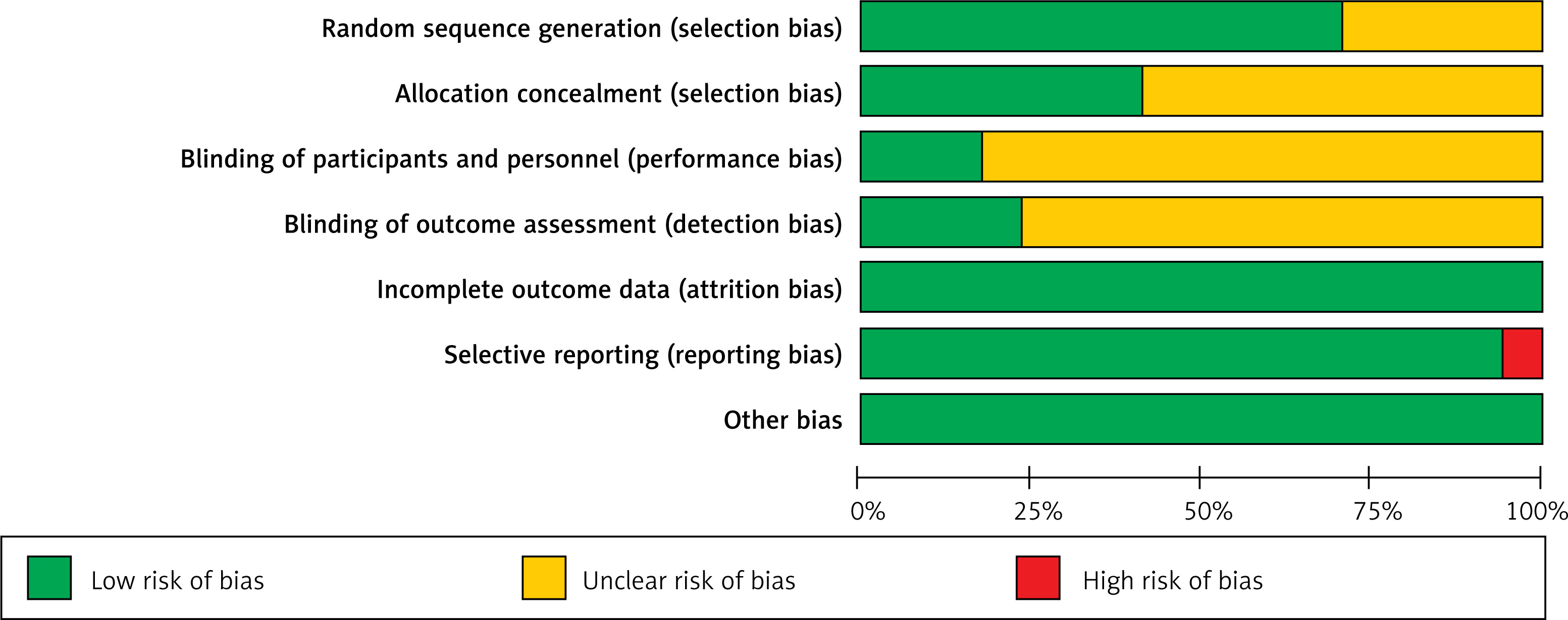
In the 17 included studies, 12 studies [10, 11, 14–17, 19, 21–25] used random number tables or random odd-even methods for group allocation, all evaluated as “low risk”. Four studies [12, 13, 18, 20] grouped based on treatment methods, and one study [9] did not specify the group allocation method, all evaluated as “unclear risk”. Seven studies [11, 12, 15, 17, 22–24] implemented allocation concealment, all evaluated as “low risk”; while 10 studies [9, 10, 13, 14, 16, 18–21, 25] did not describe allocation concealment, all evaluated as “unclear risk”. Three studies [11, 19, 25] applied blinding, all evaluated as “low risk”; 14 studies [9, 10, 12–18, 20–24] did not describe blinding or outcome assessment blinding, all evaluated as “unclear risk”. All 17 studies had complete research data. Sixteen studies [9–13, 15–25] showed no selective reporting or reporting bias, nor other sources of bias, all evaluated as “low risk”. One study [14] exhibited selective reporting and was evaluated as “high risk”, as shown in Figure 2.
Meta-analysis of main outcomes
Meta-analysis of opioid drug usage
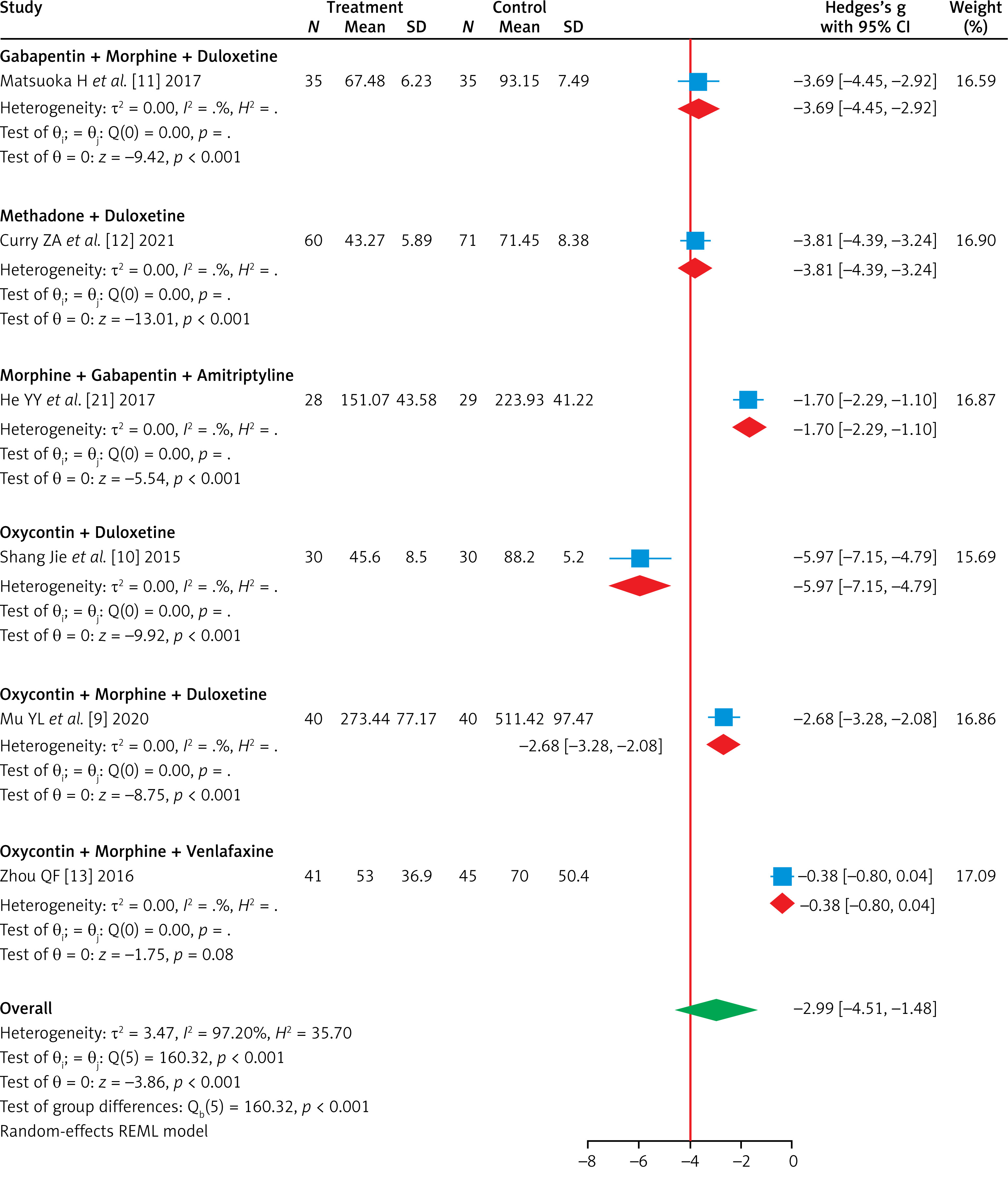
Six studies [9–13, 21] reported opioid usage, including 12 groups and 484 patients. A meta-analysis was conducted using opioid usage as a continuous variable. The heterogeneity between studies was large (p ≤ 0.1, I2 > 50%), so a random-effects model was used for analysis. The results confirmed that the opioid usage in the study group was significantly lower than in the control group (OR = –2.99, 95% CI: –4.51 to –1.48, Z = –3.86, p < 0.01). For the “Oxycontin + Morphine + Venlafaxine” subgroup, there was no statistically significant difference in opioid usage compared to the control group (p > 0.05); however, for the other five subgroups, opioid usage was significantly lower than in the control group (all p < 0.01), as shown in Figure 3.
Meta-analysis of pain scores
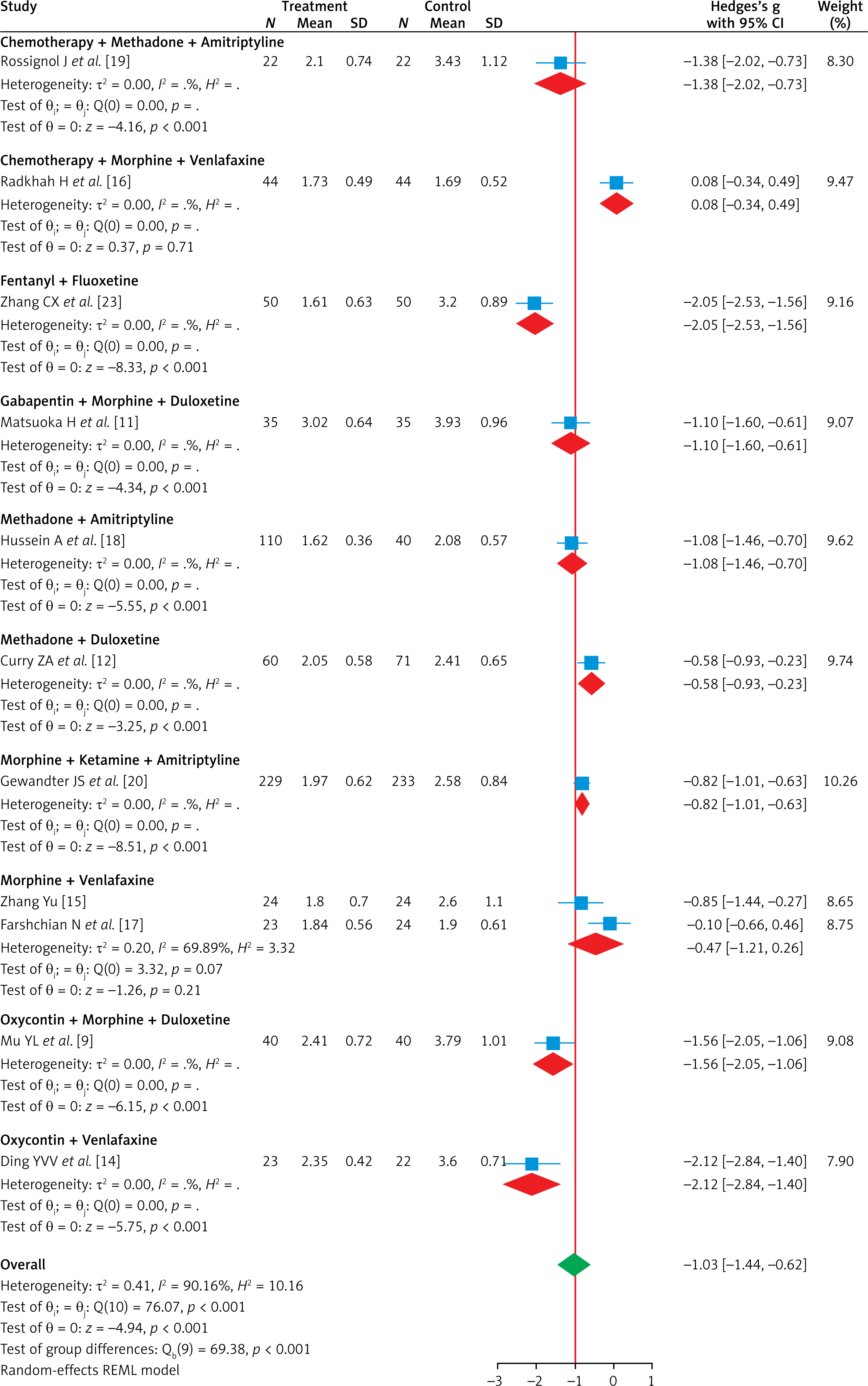
Eleven studies [9, 11, 12, 14–20, 23] reported pain scores, including 22 groups and 1255 patients. A meta-analysis was conducted using pain scores as a continuous variable. The heterogeneity between studies was large (p ≤ 0.1, I2 > 50%), so a random-effects model was used for analysis. The results confirmed that the pain scores in the study group were significantly lower than in the control group (OR = –1.03, 95% CI: –1.44 to –0.62, Z = –4.94, p < 0.01). For the two subgroups “Chemotherapy + Morphine + Venlafaxine” and “Morphine + Venlafaxine”, there was no statistically significant difference in pain scores compared to the control group (both p > 0.05); however, for the other eight subgroups, pain scores were significantly lower than in the control group (all p < 0.01), as shown in Figure 4.
Meta-analysis of depression scores
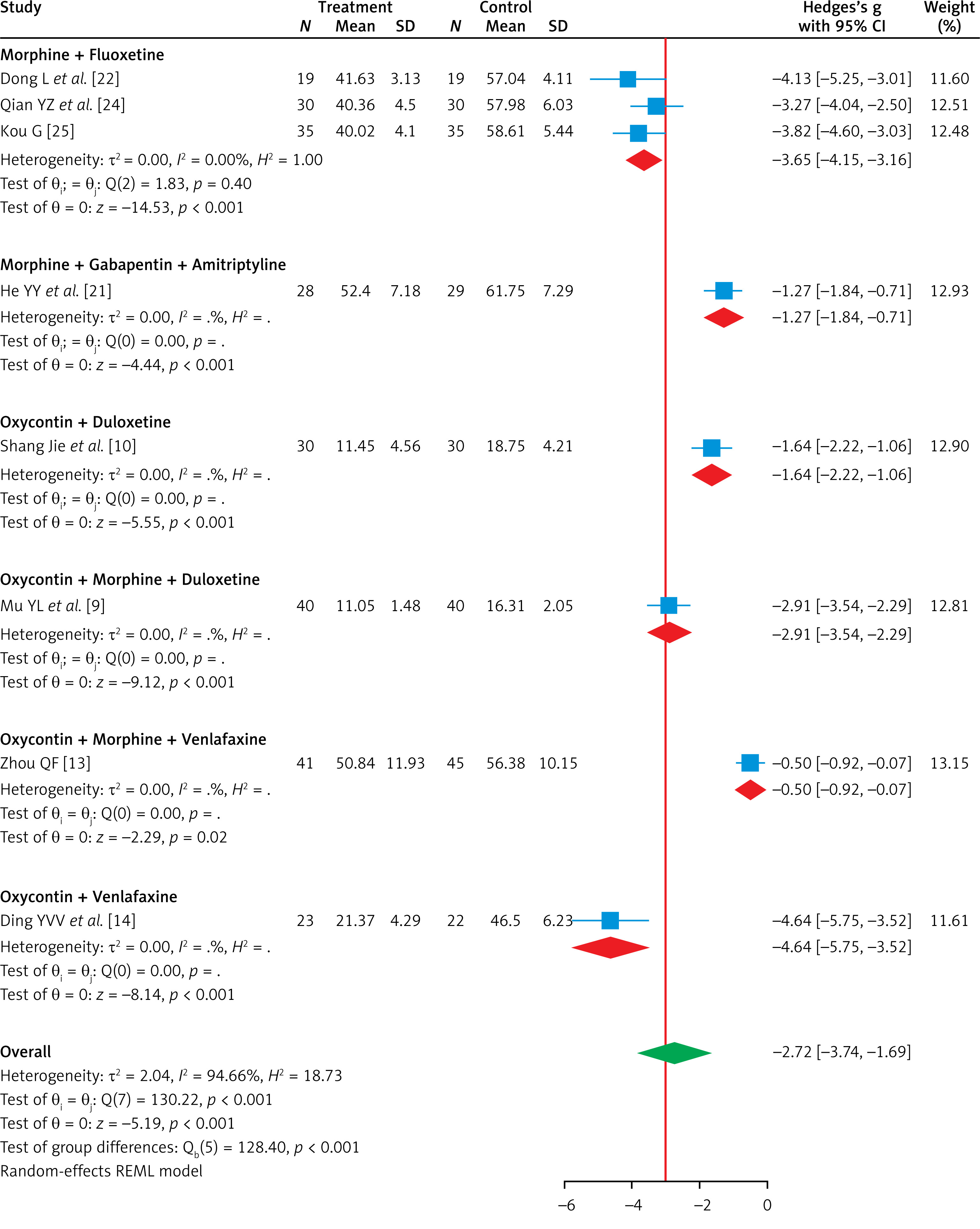
Eight studies [9, 10, 13, 14, 21, 22, 24, 25] reported depression scores, including 16 groups and 496 patients. A meta-analysis was conducted using depression scores as a continuous variable. The heterogeneity between studies was large (p ≤ 0.1, I2 > 50%), so a random-effects model was used for analysis. The results confirmed that the depression scores in the study group were significantly lower than in the control group (OR = –2.72, 95% CI: –3.74 to –1.69, Z = –5.19, p < 0.01). For the six subgroups, depression scores were significantly lower than in the control group (all p < 0.05), as shown in Figure 5.
Meta-analysis of quality of life
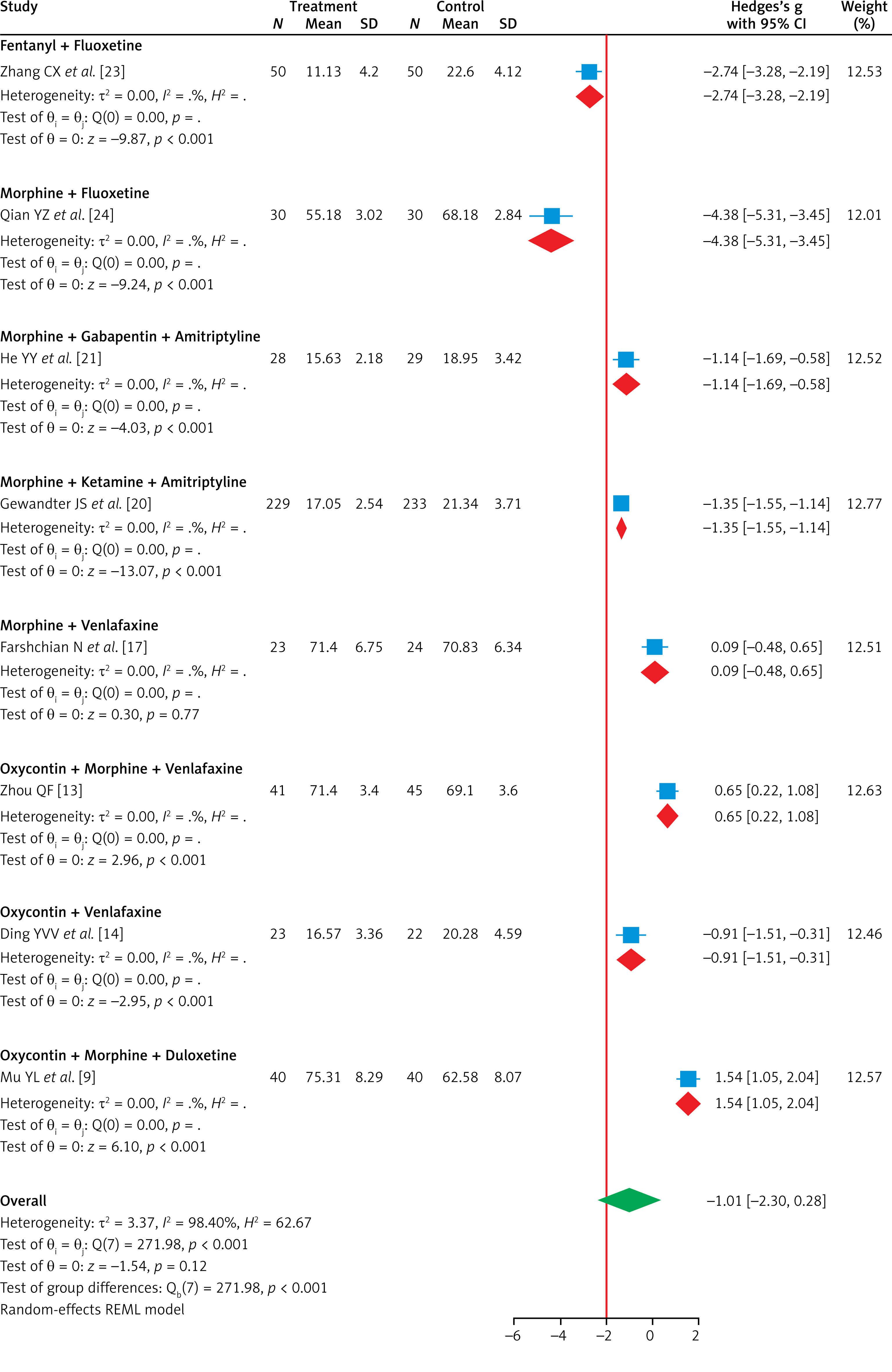
Eight studies [9, 13, 14, 17, 20, 21, 23, 24] reported quality of life, including 16 groups and 937 patients. A meta-analysis was conducted using quality of life scores as a continuous variable. The heterogeneity between studies was large (p ≤ 0.1, I2 > 50%), so a random-effects model was used for analysis. The results confirmed that there was no statistically significant difference in quality of life scores between the two groups (OR = –1.01, 95% CI: –2.30 to 0.28, Z = –1.54, p = 0.12). For the “Morphine + Venlafaxine” subgroup, there was no statistically significant difference in quality of life scores compared to the control group (p > 0.05); however, for the other seven subgroups, quality of life scores showed significant differences compared to the control group (all p < 0.01), as shown in Figure 6.
Meta-analysis of efficacy
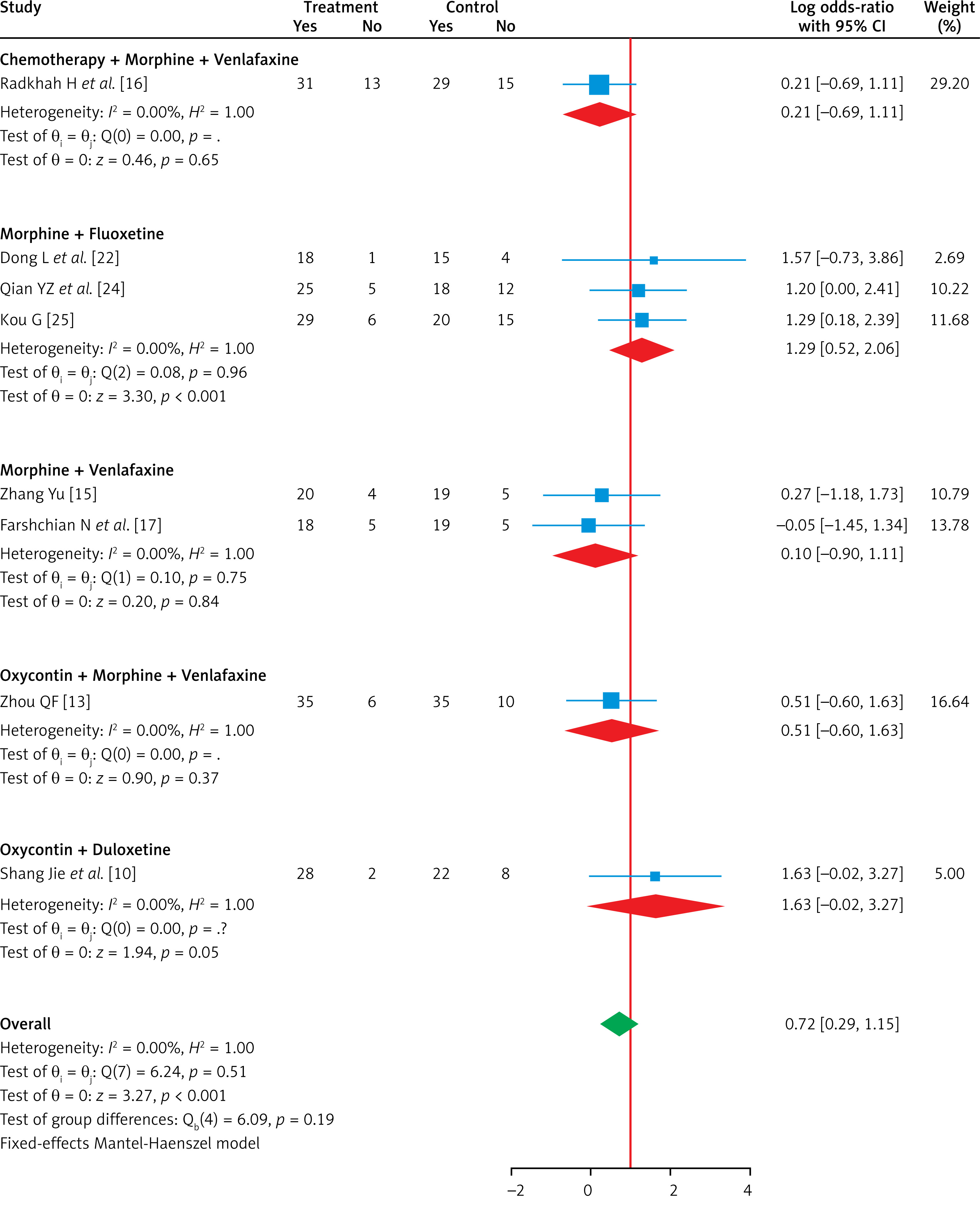
Eight studies [10, 13, 15–17, 22, 24, 25] reported efficacy, including 16 groups and 497 patients. A meta-analysis was conducted using efficacy as a binary variable. The heterogeneity between studies was small (p ≥ 0.1, I2 < 50%), so a fixed-effects model was used for analysis. The results confirmed that the efficacy in the study group was significantly higher than in the control group (OR = 0.72, 95% CI: 0.29 to 1.15, Z = 3.27, p < 0.01). For the “Morphine + Fluoxetine” subgroup, the efficacy was significantly higher than in the control group (p < 0.01); for the other four subgroups, there was no statistically significant difference in efficacy compared to the control group (all p ≥ 0.5), as shown in Figure 7.
Meta-analysis of adverse reactions
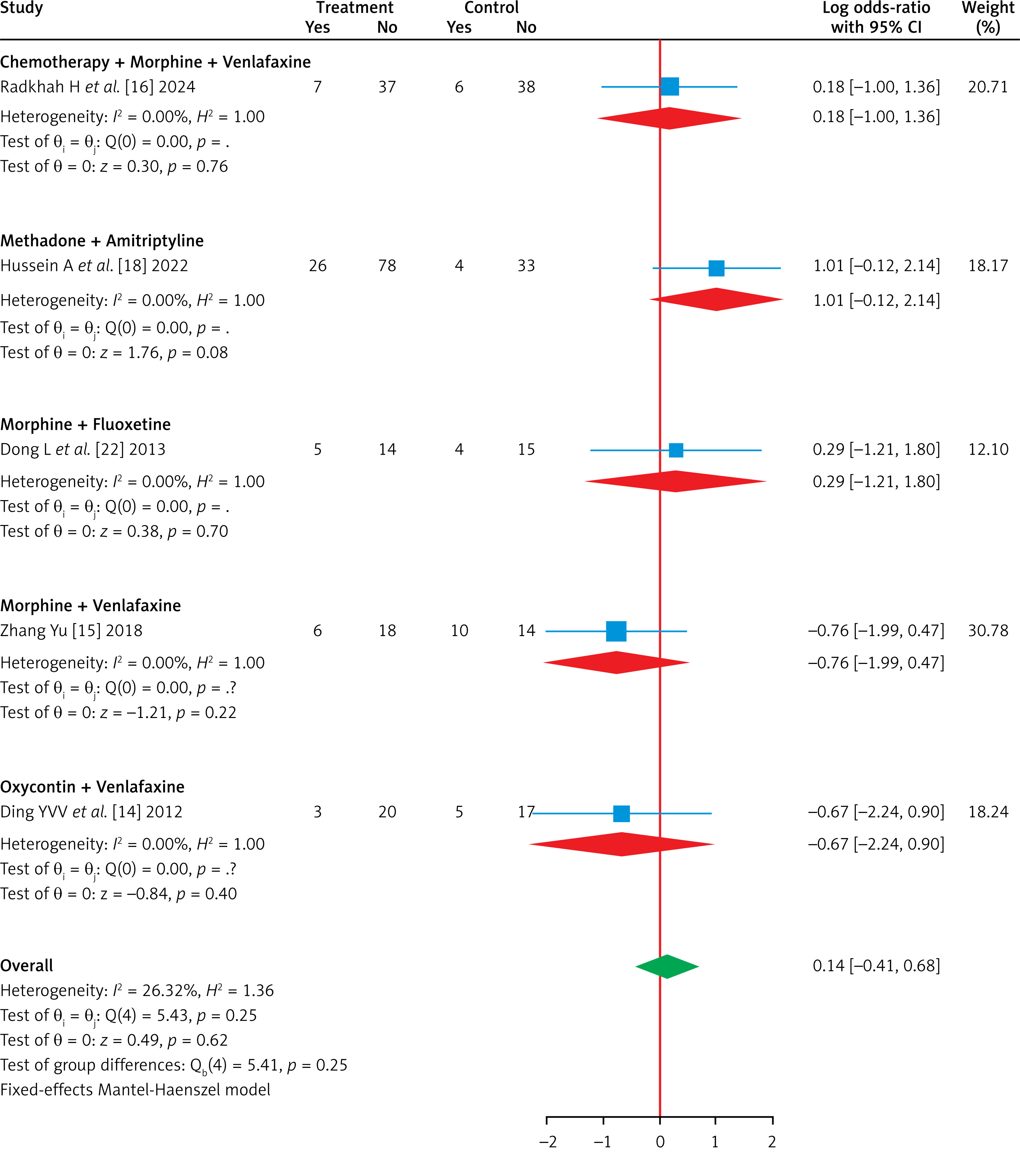
Five studies [14–16, 18, 22] reported adverse reactions, including 10 groups and 369 patients. A meta-analysis was conducted using adverse reactions as a binary variable. The heterogeneity between studies was small (p ≥ 0.1, I2 < 50%), so a fixed-effects model was used for analysis. The results confirmed that there was no statistically significant difference in adverse reactions between the two groups (OR = 0.14, 95% CI: –0.41 to 0.68, Z = 0.49, p = 0.62). For all five subgroups, there were no statistically significant differences in adverse reactions compared to the control group (all p > 0.05), as shown in Figure 8.
Publication bias analysis
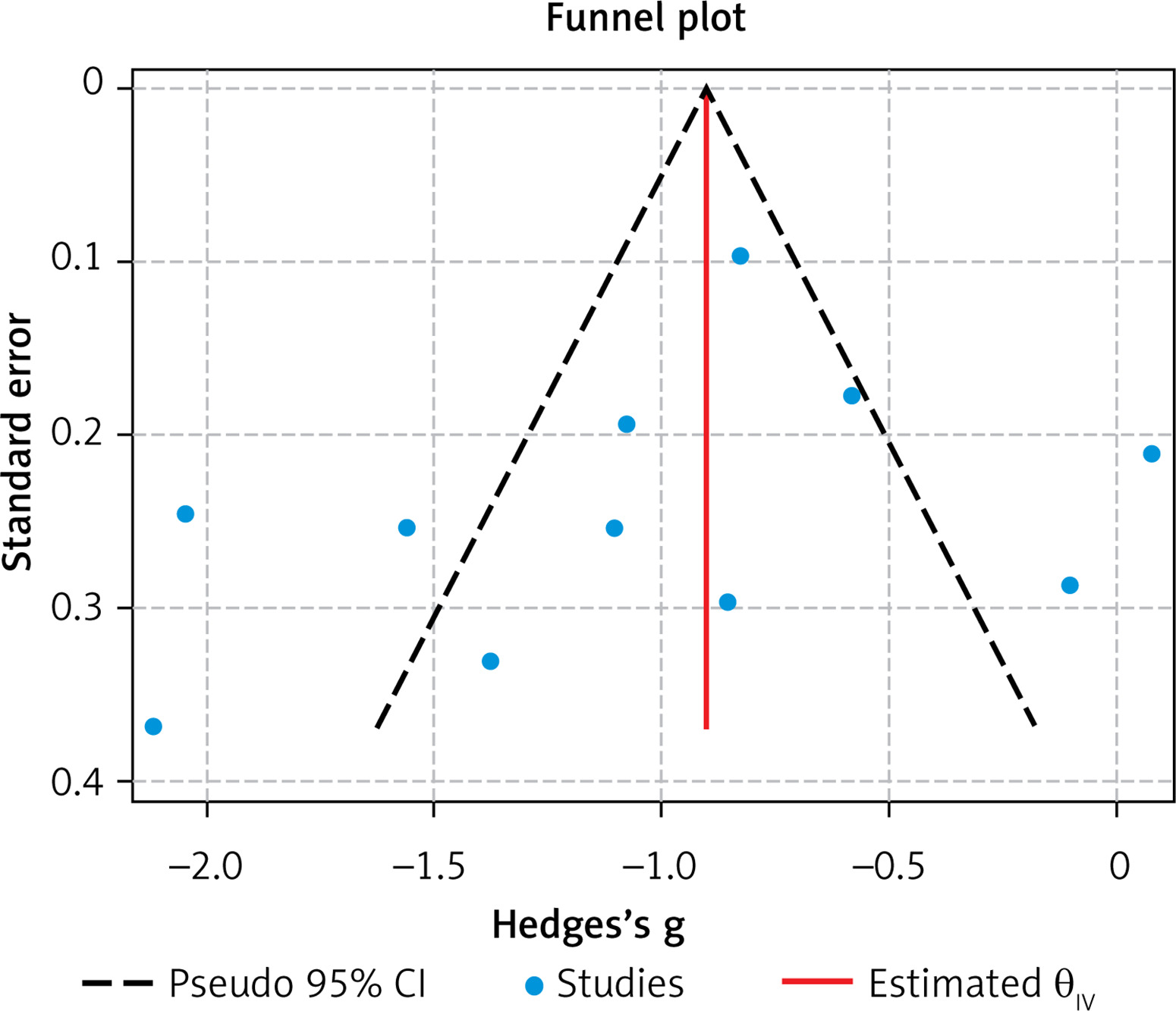
In the funnel plot for pain scores, studies on both sides of the combined effect size dotted line are roughly evenly distributed. However, some studies fall outside the 95% CI confidence interval, indicating publication bias in the studies reporting pain scores. This bias may be related to factors such as the pain scoring criteria and timing, as shown in Figure 9.
Discussion
The pathogenesis of cancer-related neuropathic pain is intricately complex, involving tumor compression, metastasis or infiltration, nerve damage induced by radiotherapy or chemotherapy, and postoperative complications. This pain not only intensifies patients’ negative emotions, such as fear and depression, but also significantly compromises subsequent treatment and disease management [26]. Nevertheless, numerous clinical studies indicate that many patients with cancer-related pain, particularly those with advanced cancer, experience inadequate pain relief. As pain persists or recurs, some patients may even discontinue treatment, which can lead to suicidal tendencies [27, 28]. According to Yoon and Oh [29], cancer-induced neuropathic pain can be clinically categorized into hyperalgesic symptoms (e.g., burning, tingling, electric shock-like sensations) and hypoalgesic symptoms (e.g., numbness, muscle weakness). Recovery time ranges from several months to years, with analgesic drugs and their mechanisms varying accordingly. Therefore, in clinical practice, it is crucial to analyze the causes of pain control difficulties from multiple perspectives, including medication, pathology, types of nerve damage, and clinical manifestations.
The value of antidepressants combined with opioid drugs
From the standpoint of combination therapy, this study’s meta-analysis revealed that the treatment group used significantly fewer opioid medications than the control group. Specifically, combinations such as duloxetine with morphine, duloxetine with methadone or OxyContin/oxycontin, amitriptyline with morphine and gabapentin, and venlafaxine with OxyContin/oxycontin and morphine all led to markedly reduced opioid consumption compared to controls. Furthermore, the meta-analysis of pain scores confirmed that the treatment group experienced significantly better pain relief than the control group, with subgroups including “Chemotherapy + Methadone + Amitriptyline”, “Fentanyl + Fluoxetine”, and “Gabapentin + Morphine + Duloxetine” showing notably lower pain scores than controls. These results suggest that antidepressants combined with commonly used opioid drugs more effectively satisfy the analgesic requirements of both clinicians and patients in managing cancer-related neuropathic pain. Tesfaye et al. [30] compared the efficacy of amitriptyline and duloxetine, each combined with pregabalin, in diabetic peripheral neuropathic pain treatment. They found that compared to monotherapy, combination therapy not only offered superior pain relief but also demonstrated better tolerability and safety. This is because, although antidepressants lack significant affinity for dopaminergic, adrenergic, histaminergic, or opioid receptors, they potently inhibit the neuronal reuptake of serotonin (5-HT) and norepinephrine (NE). This action helps regulate central nervous system function and suppress pain signal transmission [31].
Patients suffering from cancer-related neuropathic pain frequently encounter cases where opioid treatments prove ineffective, and indiscriminately increasing opioid dosages may exacerbate adverse events. Such escalation can even trigger persistent neuroplastic changes in both the peripheral and central nervous systems, resulting in hyperalgesia [32]. The combination of antidepressants with opioids has been shown to effectively prevent these changes. For example, amitriptyline activates α1 and α2 adrenergic receptors, inhibiting primary afferent pain signals in the spinal cord, thereby reducing abnormal tactile pain and mechanical and/or thermal hyperalgesia caused by spinal nerves and their branches, while also improving patients’ mood and consequently enhancing their quality of life [33]. Accordingly, studies reporting depression scores and treatment efficacy consistently show that the treatment group exhibited significantly lower depression scores and better treatment outcomes compared to controls. Although no significant differences were observed in quality of life and adverse reactions between groups, the treatment group demonstrated superior quality of life across all seven subgroups. It should be noted, however, that the drugs used in the included studies varied widely, encompassing extended-release capsules, tablets, and water-soluble formulations. Additionally, opioid medications combined with morphine, OxyContin/oxycontin, methadone, and fentanyl also differed in dosage forms. These variations directly affect drug metabolism and absorption rates, which in turn impact analgesic efficacy and disease management. Moreover, the drug delivery systems employed across studies have different targets and routes of administration, underscoring the importance of integrating extensive experimental data to maximize the therapeutic benefits of combining antidepressants with opioids while minimizing adverse effects.
Research on different drug delivery systems and administration routes
A pharmacokinetic study [34] found that, compared with traditional drug delivery systems (such as capsules and intravenous administration), the solid self-nanoemulsifying drug delivery system significantly improved the oral bioavailability of poorly soluble or lipophilic drugs, such as curcumin and duloxetine, thereby reducing the severity of neuropathic pain. Since oral drugs must undergo liver metabolism and are susceptible to gastrointestinal pH fluctuations, Salem et al. [35] suggested using a nano-glycolipid in situ gel as a drug delivery system for duloxetine administered rectally, to reduce the first-pass elimination of the drug. Sun et al. [36] also confirmed that intrathecal drug delivery systems, which pump analgesic drugs into the spinal cord, directly act on the pain centers, significantly improving the safety and efficacy of pain management.
The combination of antidepressants and opioids for pain relief mainly works through brain-targeting actions. However, glucose transporter 1 (GLUT 1) and sodium-dependent vitamin C transporter 1 (SVCT-1) reduce the concentration of antidepressants in the brain [37]. Intranasal delivery, nano-drug delivery systems, or polymer micelles and low-molecular-weight peptide polymers for drug encapsulation can effectively enhance the relative uptake and concentration efficiency of brain-targeted drugs [38]. For instance, Zhao et al. [39] overcame the limitation of GLUT 1 by introducing a disulfide-based thiamine system to modify venlafaxine glucose conjugates, stabilizing the chemical structure of the drug and significantly enhancing its targeting ability. Xiao et al. [40] designed drug delivery systems and carriers with targeted properties, optimizing the particle size, zeta potential, encapsulation efficiency, release curve, stability, and hemolysis, and developed liposomal drugs capable of delivering “locked” functionality to the central nervous system. This improved the pharmacokinetics and potency of the drug, effectively inhibited the transport functions of GLUT 1 and SVCT-1, and increased the concentration of antidepressants in the brain.
Duloxetine’s bioavailability is only about 40%. While intranasal solutions can somewhat reduce the elimination of the drug by the blood-brain barrier and liver metabolism, nano-cubic gels composed of lipids and polyether F127 diacrylate (PF127DA) better ensure the drug’s penetration concentration and extend the sustained-release time [41]. This can reduce the total drug dosage in combination therapy, avoid or delay the development of resistance, and shorten the treatment cycle. Additionally, modifying the structure of lead compounds (also known as new chemical entities) to reduce drug toxicity or improve specificity or selectivity can also enhance the active ingredients and brain concentration of the drug [42]. However, typical medical institutions are not equipped to optimize and design lead compounds, and such compounds cannot be directly applied in clinical settings. Therefore, clinical improvements for drug deficiencies are still largely focused on drug delivery systems.
Development and innovation of drug delivery systems
With the widespread development of non-gastrointestinal drug delivery systems, clinical research has found that encapsulating the active pharmaceutical ingredients in various micro, nano, and liposomal systems can create formulations with characteristics such as mucosal adhesion, antitumor, antiviral, hydrophilic, and hydrophobic properties. These formulations not only significantly enhance drug efficacy but also greatly reduce gastrointestinal reactions, as well as neurotoxicity and renal toxicity [43, 44]. Singh et al. [45] noted that nano-cuboids can serve as universal carriers for cancer diagnosis and therapy, directly acting on the lesions to improve patient compliance with specific stimuli (such as chemotherapy, drugs, and local injections), thereby standardizing clinical treatment. Additionally, the rapid advancement of biotechnology and AI has accelerated continuous innovations in nano-drug delivery systems. For instance, customizing and programming the functions of nano-delivery systems using information science can produce new biological structures, such as nanorobots. These nanorobots can perform multiple tasks simultaneously, including drug delivery, antitumor deployment, and kinetic energy conversion, as well as the early prediction and effective control of cancer-related pain [46]. This suggests that improving the drug delivery systems and chemical structures for antidepressants, opioids, and anticancer drugs based on nanomedicine can not only precisely target the sites, controlling the onset and progression of cancer-related neuropathic pain but also provide direction for research innovation in various diseases and different fields.
In conclusion, all four antidepressants combined with commonly used opioids demonstrate significant analgesic efficacy in the treatment of cancer-related neuropathic pain, accompanied by relatively few adverse reactions. These treatment protocols can be adapted flexibly according to clinical needs. Nevertheless, the diagnosis and therapeutic planning for cancer-related neuropathic pain frequently require ongoing and repeated evaluation. The 17 studies included in this meta-analysis exhibit variability in scoring criteria for different observational outcomes, timing of assessments, and comorbid conditions, which have impacted the pooled analysis results. Consequently, funnel plot analysis reveals publication bias in studies reporting pain scores. Likewise, eight studies evaluated quality of life in patients treated with combinations of duloxetine, venlafaxine, amitriptyline, or fluoxetine alongside opioids; however, due to heterogeneity in scoring methods, it remains uncertain which combination regimen is optimal for cancer-related neuropathic pain patients. Furthermore, beyond advancements in medication regimens, drug delivery systems, and routes of administration, rigorous pain management practices are essential to effectively control cancer-related neuropathic pain. Future clinical research should incorporate a broader range of observational parameters to comprehensively compare the efficacy of various drug combinations and delivery methods.