
Introduction
The world’s first commercial three-day continuous glucose monitoring (CGM) system was approved by the U.S. Food and Drug Administration (FDA) and obtained Conformité Européenne (CE) marking around 2000 [1]. Initially, unlike other available methods for measuring glucose in interstitial fluid, systems used flash glucose monitoring (FGM) technology. It had no alarms and required the reader to approach the sensor closely to obtain a result. Today, all available systems operate on the principle of real-time continuous glucose monitoring (rtCGM). According to the manufacturer of the most common device, FreeStyle Libre is used worldwide by more than 5 million people in 60 countries [2]. Moreover, the recently released products are intended not only for insulin-dependent people with diabetes but also for those on oral antidiabetic medications and those seeking lifestyle interventions and a better understanding of their metabolic responses [1]. Less than a decade ago, the first device appeared on the Polish market, and since then, CGMs have become widespread, especially after the introduction of partial reimbursement in 2018. Over time, different groups of patients became eligible for reimbursement, for which various physicians (i.e., general practitioners, gynecologists, and ophthalmologists) and nurses are authorized to prescribe CGMs [3]. Experts in diabetic care emphasize the need for closer scrutiny of CGM quality [4, 5]. To systematize knowledge, improve understanding of reliable devices, and enhance decision-making for health providers and people with diabetes, this review article describes the basic principles of CGM systems and compares currently available CGM devices in Europe, spotlighting the latest technologies and future perspectives in glucose management.
Glucose monitoring
Glucometers
Although a wide range of CGM systems is available on the market, glucometers remain the most commonly used devices for monitoring blood glucose. Patients can select the most suitable model from among various devices. Glucometers differ slightly, for example, in size, display quality, or additional features [6]. Some systems can also send results to a pump or a dedicated smartphone application. All currently available glucometers should meet ISO EN 15197:2015 (International Organization for Standardization European Norm) standards, allowing for a 15% measurement error [7]. Regardless of the model, the patient has to make a puncture to obtain a blood sample.
CGM systems
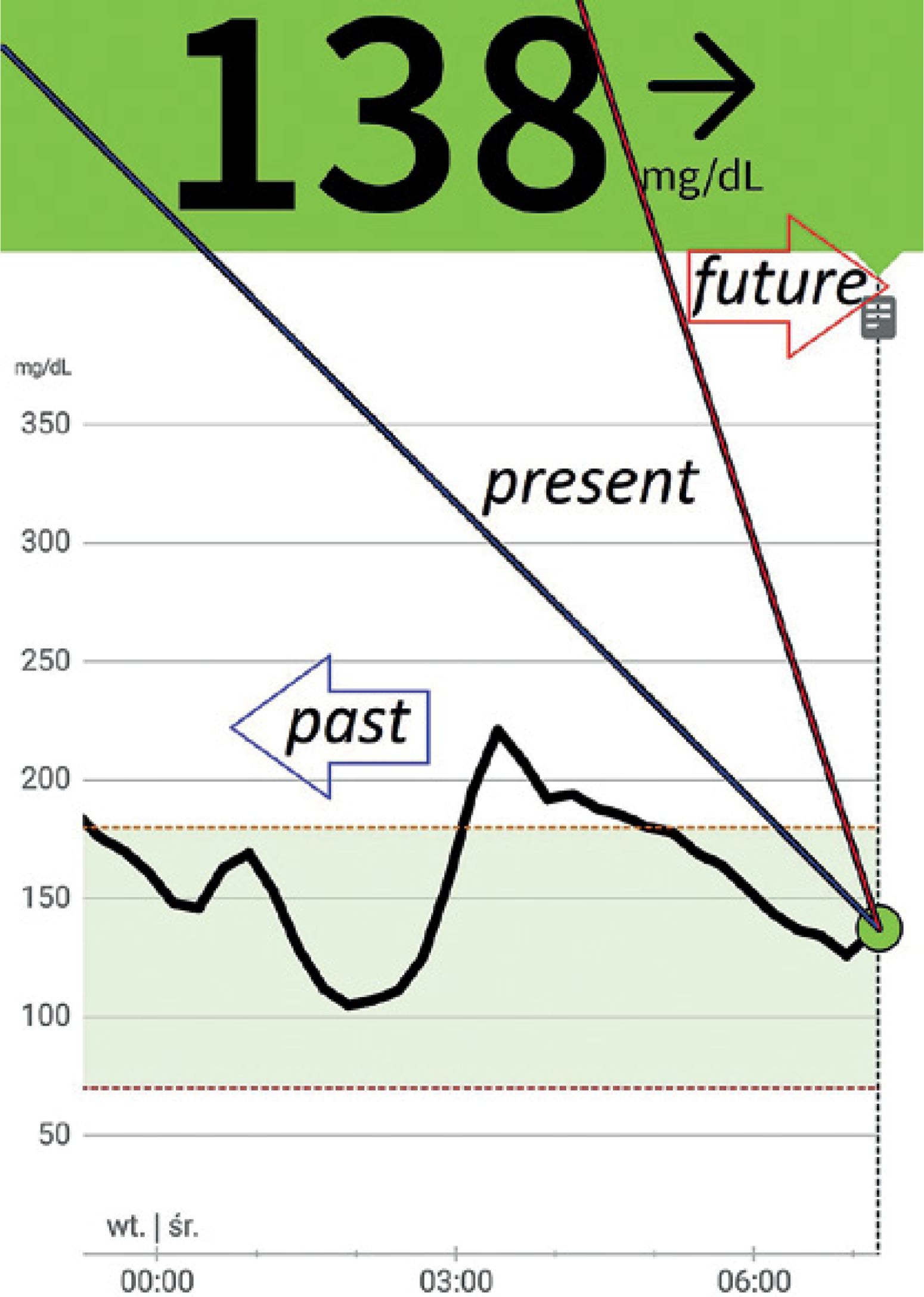
Unlike glucometers, CGM systems measure glucose painlessly in the interstitial fluid. The patient receives the current glucose result, a predicted glucose level change, and has access to previous measurements (past, present, and future) (Figure 1). The location of the measurement is crucial for the accurate interpretation of the results. The change in glucose concentration in the interstitial fluid is delayed compared to the concentration in the blood [8]. This delay is called “lag time”, and current CGM systems use predictive algorithms to reduce the difference [9–11]. The user should consider this information when making informed decisions about their therapy. Depending on the CGM system, the patient may use a variety of alarms. The basic ones are glycaemic range alarms, which notify them when hypoglycemia or hyperglycemia occurs. More sophisticated systems display a rapid increase or decrease in glucose level, and are equipped with predictive alarms for hypoglycemia and hyperglycemia. Depending on the device, alarms can be personalized to be either audible or vibrating.
Measurement accuracy in CGM systems is assessed by the mean absolute relative difference (MARD) parameter. A lower MARD value indicates higher accuracy of the measurement. This value should be below 10 to dose insulin based on measurements from a CGM sensor [12]. Currently, all systems available on the Polish market meet this requirement. Table I shows differences between measurements made with a glucometer and a CGM system.
Table I
Comparison of SMBG and CGM measurements
Result interpretation
Compared to self-monitoring of blood glucose (SMBG), rtCGM systems measure glucose more frequently, typically every 1–5 min, which means the systems generate between 288 and 1440 measurements per day. Results obtained from the sensor are automatically transmitted via Bluetooth to a receiving device; these days, it is usually an application on a smartphone or a smartwatch, or a dedicated receiver. Then, upon the user’s consent, they can be transmitted to other people (caregivers or medical personnel) via the internet. Reports are generated from the obtained results. The current standard is the ambulatory glucose profile (AGP) report, established by an expert consensus in 2019 [13–16].
Ten parameters should be considered when evaluating CGM results: 1) duration of use of the device – 14 days is recommended; 2) duration of rtCGM sensor activity – this should be a minimum of 70% of 14 days; 3) average glycemia; 4) glucose management indicator (GMI) – recommended values as for glycated hemoglobin (HbA1c); 5) glycemic variability (%CV) – this should be ≤ 36%.
The other parameters demonstrate the percentage of time within specific glycemic ranges. They can be interpreted as follows: (6) time above range (TAR): % of readings and time > 250 mg/dl (> 13.9 mmol/l) – level 2 – very high; 7) time above range (TAR): % of readings and time 181–250 mg/dl (10.1–13.9 mmol/l) – level 1 – high; 8) time in range (TIR): % of readings and time 70–180 mg/dl (3.9–10.0 mmol/l); 9) time below range (TBR): % of readings and time 54–69 mg/dl (3.0–3.8 mmol/l) – level 1 – low; 10) time below range (TBR): % of readings and time < 54 mg/dl (< 3.0 mmol/l) – level 2 – very low.
Due to the measurement of glycemia every few minutes, glycemic variability is now accurately calculated. Importantly, %CV is a risk factor for complications, and when higher than 36%, increases the likelihood of hypoglycemia [17, 18]. GMI is another new parameter [19]. Unlike HbA1c, the value of the GMI parameter is calculated based on a shorter period of time, and the duration of sensor activity is crucial for obtaining reliable results. Opposite to HbA1c, GMI is not dependent on factors such as anemia, administered medication, or erythrocyte lifespan [20]. The TIR value established in the 2019 consensus refers to a glucose range of 70–180 mg/dl (3.9–10.0 mmol/l) for the general population and 63–140 mg/dl (3.5–7.8 mmol/l) for pregnant women with diabetes. Time in tight range (TITR), i.e., 70–140 mg/dl (3.9–7.8 mmol/l), is a new parameter that is increasingly appearing in publications [21, 22]. Time in the tight pregnancy range, with a value of 63–120 mg/dl (3.5–6.7 mmol/l), has also been proposed [23]. Therapeutic targets for different glycemic ranges are discussed in the following paragraph.
AGP reports generated by software of individual CGM systems should meet the current standard and include all parameters as presented in detail in the 2019 consensus [24]. The graphical representation of results varies slightly between devices made by different manufacturers. In addition, reports from rtCGM systems connected to insulin pumps may include data on insulin pump therapy.
Polish Diabetes Association (PTD) recommendations
Therapeutic targets recommended by the PTD in 2025 are consistent with those proposed in the previous report [15, 25]. According to the PTD, CGM systems are the preferred method of monitoring glucose in patients with type 1 diabetes [26]. Patients using CGM systems in combination with advanced hybrid closed-loop (AHCL) systems will benefit most. To increase the safety of therapy, improve patient comfort, and enhance the quality of care, the PTD recommends the use of CGM systems for all patients with diabetes treated with intensive insulin therapy or continuous subcutaneous insulin infusion (CSII) [27].
TIR values for patients with type 1 and type 2 diabetes, as well as older adults, should be between 70 and 180 mg/dl (3.9–10.0 mmol/l). Older adults and patients at high risk of hypoglycemia should demonstrate the above values for at least 50% of the day. Other patients are expected to have these values for at least 70% of the day (16 h and 48 min). For pregnant women with diabetes, the target range for TIR should be 63–140 mg/dl (3.5–7.8 mmol/l) for at least 70% of the day. However, the group of children and adolescents should exhibit the following values: TIR ≥ 80%, CV < 36%, and HbA1c ≤ 6.5% (47.5 mmol/mol) [28]. During remission and during insulin pump treatment with AHCL, TITR and a reduced CV < 33% may be indicated.
TBR < 54 mg/dl (< 3.0 mmol/l) in the group of patients with type 1 and type 2 diabetes and pregnant women with diabetes should be < 1% (15 min). The group of pregnant women should demonstrate TBR – level 1 < 63 mg/dl (< 3.5 mmol/l), and a value of < 4% (1 h) is recommended. In people with type 1 and type 2 diabetes, the TBR level 1 with a value < 70 mg/dl (< 3.9 mmol/l) should not exceed 4% of the day. Additionally, TBR in older patients should not exceed 1% daily at a value < 70 mg/dl (< 3.9 mmol/l).
The TAR value for pregnant women with diabetes is set at 140 mg/dl (7.8 mmol/l), and it should stay within this range for less than 25% of the day (6 h). For other patients, two threshold values for TAR have been established. Level 1, defined as 181–250 mg/dl (10.1–13.9 mmol/l), is allowed for up to 50% of the day (12 h) in older patients, whereas in younger patients, the level is recommended for up to 25% of the day (6 h). Level 2, i.e., > 250 mg/dl (> 13.9 mmol/l), is allowed for up to 10% of the day (2 h 24 min) in older adults, whereas in other patients, it should be limited to 5% of the day (1 h 12 min).
CGM systems
Basic available CGM systems can be categorized by: a) duration of use into short-term and long-term, b) type of implantation into transcutaneous and subcutaneous, c) measurement method into enzymatic and fluorescence.
Additionally, the various devices differ in whether they require the sensor to be connected to a transmitter, which then transmits the results to the receiving device. The sensor can also be integrated into the transmitter. Transmitters can have a specific operating time and may require periodic recharging. Most sensors are sold with a single-use serter. Some other sensors require the purchase of a dedicated serter for installation. The location for sensor placement, the minimum age limit for using such a device, and recommendations regarding its use by pregnant women with diabetes can vary among different manufacturers. Nowadays, almost all sensors are factory-calibrated; some additionally can be calibrated by the user if the manufacturer does not prohibit calibration.
After insertion, the sensor requires a warm-up period of 30–120 min. A subcutaneously implanted sensor is unusual because it becomes effective after 24 min. Transdermal sensors leave a thin electrode in the interstitial fluid during implantation. The electrode is coated with the enzyme glucose oxidase. This enzyme, when combined with glucose, is oxidized. The release of free electrons accompanies this process. The sensor measures the current voltage, which proportionally corresponds to the concentration of glucose in the interstitial fluid. Algorithms then process the obtained data, and the user is given a glucose concentration result every 1–5 min.
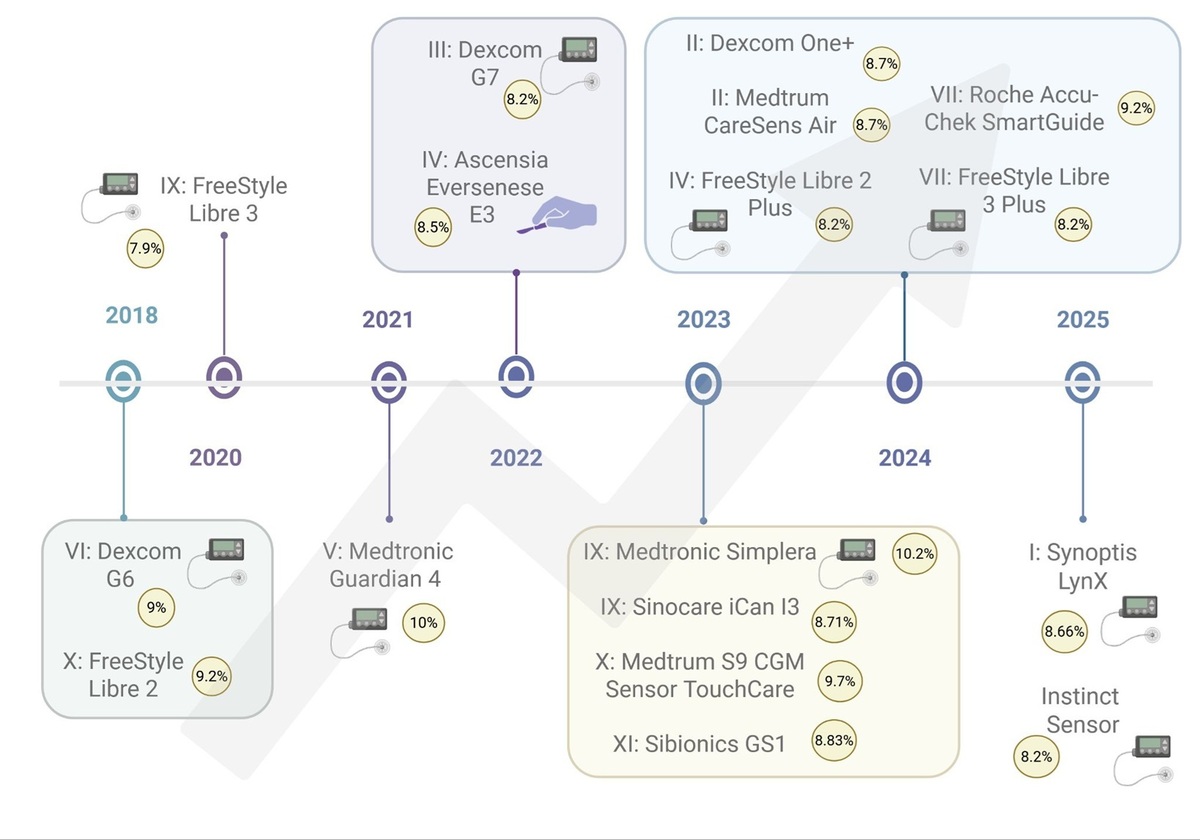
CGM systems available on the market are described below. They are listed in order from the shortest to the longest running time. Comparative data (key features, pump integrability, clinical parameters) of various CGMs can be found in Table II. The CGMs are presented with their absolute MARD values and pump integration possibilities (Figure 2) and application method (Figure 3). A cost-effectiveness analysis with a detailed description of reimbursement in Poland is presented in Supplementary Material I. The reimbursement of the FreeStyle Libre system in selected European countries is additionally described. Applications required for CGM systems reading and sharing are presented in Table III.
Table II
CGM systems available in 2025 – expanded to include pump integrations (AHCL readiness), key device features, and clinical parameters (age indications, pregnancy compatibility, wear duration, warm-up period, calibration requirements, and insertion sites)
Figure 2
Timeline of CE-marked continuous glucose monitoring (CGM) systems introduced in Europe between 2018 and September 2025. The timeline indicates the year of CE mark approval, with the month (Roman numerals) displayed before each brand name. An insulin pump icon adjacent to the CGM label denotes the possibility of integration into automated closed-loop systems. The yellow circles indicate the mean absolute relative difference (MARD) values provided by the manufacturers. Ascensia Eversense E3 is the only implantable, clinician-inserted subcutaneous sensor with up to 6 months of wear, whereas all other CGM devices are self-inserted transcutaneous sensors with wear durations ranging from 7 to 15 days. The number of available devices is increasing
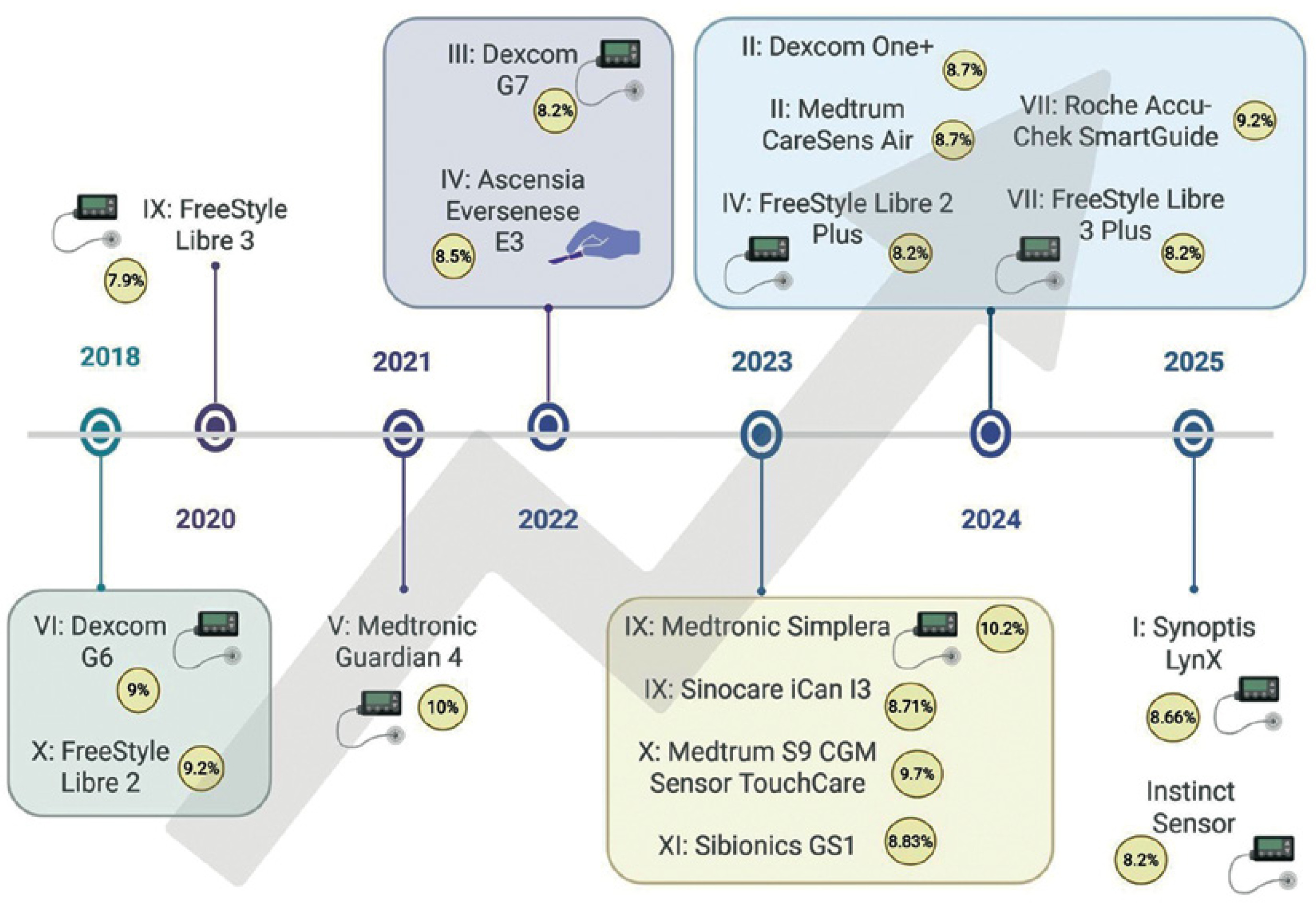
Figure 3
Classification of commonly used CGM systems by application method: (bottom) surgically implantable, long-term subcutaneous sensors and (top) user-applied, transcutaneous sensors inserted with a dedicated inserter
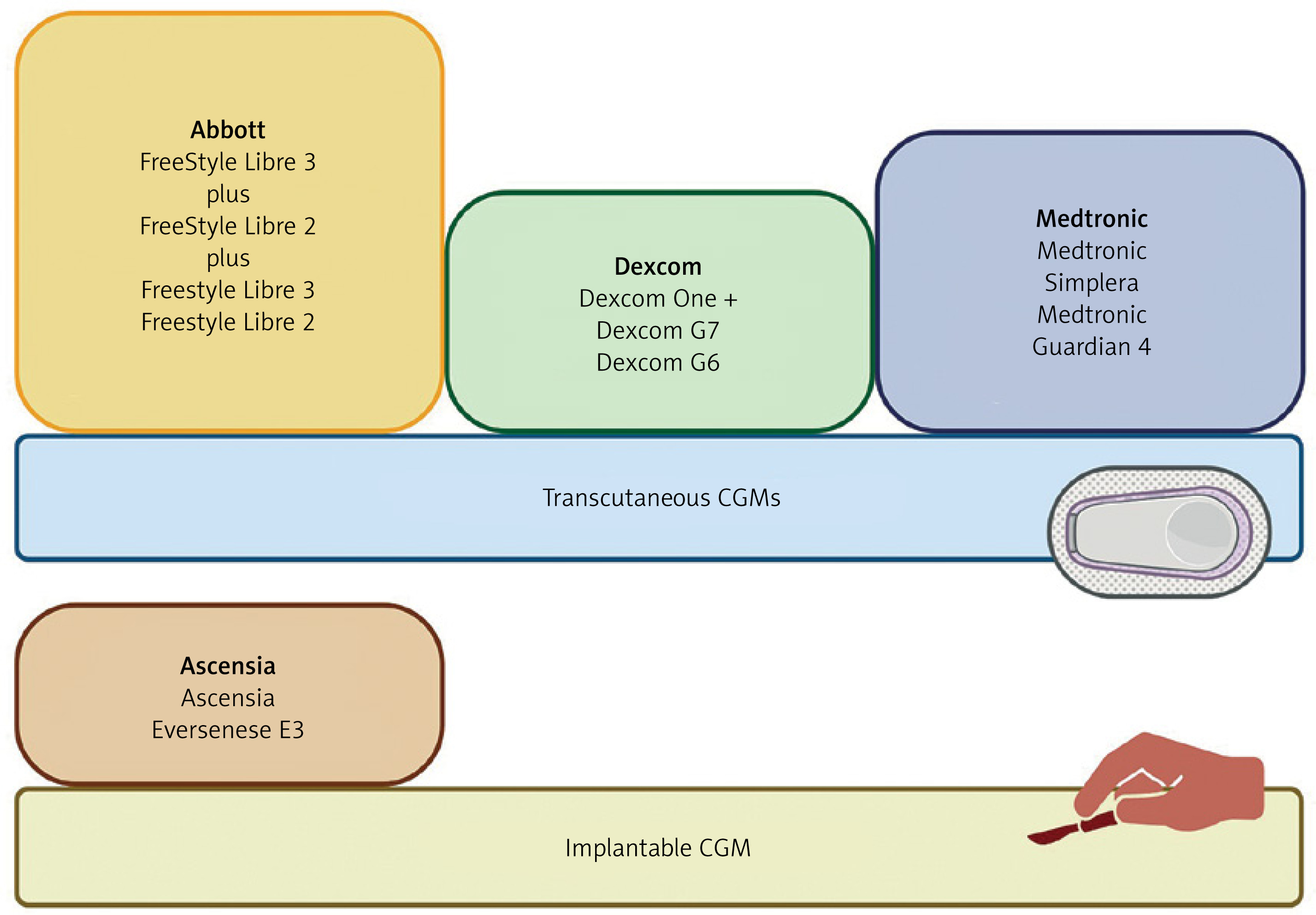
Table III
CGM applications
Medtronic
Medtronic offers several types of rtCGM systems. Currently produced sensors are either a continuation of an earlier product, Guardian 4, or a new product, Simplera [29, 30]. The Guardian 4 sensor is implanted using a dedicated reusable serter. The patient must also purchase a transmitter and charger [31]. The transmitter must be charged each time the sensor is replaced. Sensor running time is 7 days. The manufacturer gives a 12-month warranty on the transmitter. The Guardian 4 sensor can be used in combination with a MiniMed 780G insulin pump or in the SMART CGM system [29, 32]. The MiniMed Mobile application is used to operate both the solutions [33, 34]. However, when the sensor is connected to the pump, results are transmitted to the application via the pump, so it is not possible to use the rtCGM system without the pump. Results can also be transmitted to the user’s carers [35, 36]. Additionally, measurements can be shared with the user’s CareLink Personal account, where reports can be generated [37]. Medical staff can, upon the patient’s consent, receive their results [38].
The Simplera sensor does not require a transmitter, as it is already integrated [30]. The sensor is implanted with a single-use serter. This device also works for 7 days. Results are sent to the pump or application [39, 40]. The system can also work with an InPen smart injector (which the patient must purchase) and the InPen application [41–43]. A bolus calculator is then available in the application. The patient can control insulin injections and will receive predictive alerts. Both Simplera and Guardian 4 can be integrated with the 780G pump, forming a closed loop [32]. In this device, insulin is automatically dosed based on the current glucose level, and the patient only needs to enter the amount of carbohydrates consumed before a meal. The system stops insulin supply when glucose concentration drops. If it rises, the device increases the base or makes autocorrections. The 780G pump is one of three available AHCLs on the Polish market. It has been confirmed that this device improves metabolic control of diabetes [44].
Dexcom
This is another company whose products have been sold for many years. Currently, G6 is still sold, and more recent versions of One+ and G7 are available. A 10-day G6 sensor connects to a transmitter (whose running time is 3 months). All Dexcom sensors come with a single-use applicator. The G6 sensor is compatible with an application or dedicated receiver [45]. The patient can share their results with carers [46]. The user can generate reports and share them with medical staff [47]. The Dexcom G6 system can be connected to the YpsoPump via the mylife CamAPS FX application, creating a closed loop [48, 49]. This is the second solution of that kind available on the Polish market. Its positive effect in the treatment of diabetes has also been confirmed [50].
Dexcom’s more recent sensors, One+ and G7, look similar. They both have an integrated transmitter and can work for 10.5 days. They come with a single-use serter. Results are sent to a smartphone application or to a dedicated receiver [51–53]. There are plans to extend the G7 running time to 15 days [54]. Notably, Dexcom can be connected to Garmin devices. Additionally, the “direct to watch” function enables the use of the G7 sensor without a phone by connecting the sensor directly to an Apple Watch [55, 56]. The functions above can be handy for sportspeople.
Libre
The second generation of the FreeStyle Libre system has replaced the previous version introduced almost a decade ago. The Libre 2 version is already a complete rtCGM system; a 14-day sensor is supplied with a single-use serter. To activate the sensor, it must be scanned using a smartphone with near field communication (NFC). The user can receive results in an application or a dedicated reader [57, 58]. They are sent automatically via Bluetooth, but can also be obtained by scanning the sensor. This is also recommended in the event of a signal loss. We can complete the records obtained during the last 8 h. Phone application users can send their results to their therapy partners [59]. Patients can generate reports and communicate with medical staff through a dedicated application [60]. A more recent version of the FreeStyle Libre 3, currently unavailable in Poland, is slightly smaller and can be connected to the YpsoPump to form a closed loop [61, 62]. The Libre 3 sensor also works for 14 days and has an integrated transmitter. There are “plus” versions of Libre 2 and 3, both of which work for 15 days. FreeStyle Libre 2 Plus can create an AHCL system by connecting to the Omnipod 5 or Tandem t:slim X2. Libre 3 Plus makes an AHCL System Powered by Tidepool [63]. Abbott introduced its latest sensor, Instinct, in September 2025. Its dimensions are comparable to those of the Libre 3 sensor, and, like the latter, it operates for 15 days. The Instinct sensor connects to the Medtronic 780G pump to create AHCL. A software update will be required to connect the 780G pump to the Instinct sensor. Currently, the sensor is only available for sale in the U.S. [64].
Accu-Chek SmartGuide
This recently launched Roche sensor works for 14 days and comes with a single-use serter. Results are displayed in the mobile application [65]. Interestingly, the manufacturer has also invented another application, called ACCU-CHEK SmartGuide Predict. It has a function that predicts hypoglycemia within 30 min and potential changes in glucose concentration within 2 h [66]. Results obtained by the sensor can also be displayed on the Apple Watch after installing a dedicated application [67].
Medtrum
S9 CGM Sensor TouchCare is a fairly new product on the Polish market. This 14-day sensor requires a transmitter to become active. Interestingly, the device works for up to a year without needing to be charged. The manufacturer supplies the sensor and a single-use serter. The tiny size of the system is a great advantage. The manufacturer points out that the transmitter weighs only 1 g. The user can display results in a mobile application [68]. The patient’s caregivers can use the follow-up application [69]. Dedicated portals have been developed to fully track results, generate reports, and share them with medical staff [70].
Sibionics GS1
This is also an innovation on the Polish market. The sensor, which operates for 14 days, is integrated with a transmitter and inserted using a single-use serter. Results are sent to a mobile application installed on a smartphone [71]. The manufacturer informs users on its website that AGP reports will be generated via the application [72].
Sinocare iCan I3
This 15-day sensor has recently been launched on the market. The sensor is integrated with a transmitter and is inserted with a single-use serter. It connects to a mobile application on a smartphone [73]. Results can be shared with therapy partners [74]. According to the manufacturer’s instructions, this sensor can be installed only on the abdominal skin.
Bioton CareSens Air
This 15-day sensor has been on the Polish market for a relatively short time. It has an integrated transmitter that communicates with the mobile application [75]. A dedicated application is designed for analytical purposes of results and for carers [76]. The website platform is also available for medical staff, carers, and users to analyze results [77].
Synoptis LynX
The Lynx sensor is a recent innovation on the Polish market. It is a 15-day sensor with a built-in transmitter. The mobile application has been designed for the user [78]. Importantly, the sensor is manufactured by MicroTech Medical, the company that also produces Equil, a drainless insulin pump available on the Polish market. Currently, there is no information on the Polish manufacturer’s website; however, on foreign portals, this pump is listed as featuring a Lynx sensor in a closed-loop system [79].
Eversense E3
It is the only subcutaneously implanted sensor that works for up to 180 days. Unlike all other mentioned sensors, its operation is not based on an enzymatic reaction, but on a fluorescence method. Implantation of the sensor is performed by medical personnel after an incision is made in the patient’s skin on the arm. After the sensor’s lifespan is complete, medical personnel also remove the device. In Poland, the first sensor was implanted in Poznań in 2017 [80]. Subsequently, after the 18.3 × 3.5 mm sensor is inserted subcutaneously, strip patches are applied to the edges of the skin incision. The sensor transmits data to a transmitter taped to the skin over it. The transmitter sends results to the mobile application, inductively charges the sensor, and is equipped with a vibration alarm, which is useful when the user does not have a smartphone [81, 82]. A dedicated application is designed for caregivers [83]. Glucose results on this system can also be displayed on an Apple Watch.
Studies evaluating CGM
The effectiveness of the rtCGM system in patients using multiple daily injections (MDI) was demonstrated in the DIAMOND study [84]. This was a randomized trial of 158 patients with type 1 diabetes, using MDI, with HbA1c between 7.5% and 9.9% (59–84 mmol/mol). The subjects were divided into two groups: those using rtCGM (Dexcom G4 Platinum) and the control group, in a 2 : 1 ratio. The primary endpoint was identified with the effect on HbA1c after 24 weeks. The study showed a statistically significant decrease in HbA1c after 24 weeks, averaging 1.0% (10.9 mmol/mol) in the rtCGM group and 0.4% (4 mmol/mol) in the control group. In addition, it revealed increased TIR after 24 weeks in the CGM group, on average by 77 min/day, and reduced glycemic variability in the rtCGM group from 42% to 38%; the mean hypoglycemic time in the rtCGM group was statistically significantly shorter in comparison to the control group, i.e., 43 min/24 h vs 80 min/24 h.
The COMISAIR study demonstrated the efficacy of rtCGM compared to SMBG, regardless of the method of insulin administration [85]. Sixty-five patients with type 1 diabetes were subject to a 1-year follow-up. Patients were divided into four groups: those using rtCGM in combination with CSII, those using CGM in combination with MDI, those using SMBG in combination with CSII, and those using SMBG in combination with MDI. The primary endpoint of the study was a decrease in HbA1c. The secondary endpoint was %CV, TIR, and incidents of hypoglycemia. The groups using rtCGM (Dexcom G4) demonstrated a statistically significant decrease in HbA1c, from 8.3% (67 mmol/mol) to 7.1% (54 mmol/mol), comparable for both treatment methods. The group using CSII also exhibited improved metabolic control, i.e., from 8.4% (67 mmol/mol) to 7.9% (63 mmol/mol). TIR significantly increased in the group using rtCGM (from 50% to 69%) and in the group using CSII with SMBG (from 51% to 59%). Glycemic variability also significantly decreased in the rtCGM-using group. The rtCGM-using group also demonstrated a shorter hypoglycemia period, with a decline from 8% to 6%.
It is also essential to start using rtCGM as early as possible in new diabetes therapies. It has been confirmed that the earliest possible implementation of rtCGM systems brings the most significant benefits [86]. Three hundred and ninety-six subjects with newly diagnosed type 1 diabetes were divided into three groups: a group where rtCGM was used up to 1 year following the diagnosis, a group that did not use rtCGM, and a group where rtCGM was implanted 3 years following the diagnosis. The patients were monitored for a period of 7 years. The observation revealed that those who used rtCGM immediately after diagnosis demonstrated a statistically significant decrease in HbA1c levels compared to those not using rtCGM. In year 7 of the observation, the difference was 7.6 (59 mmol/mol) vs. 9.8 (84 mmol/mol).
Benefits of CGM are also found in pregnant women diagnosed with diabetes. The randomized CONCEPTT study was conducted on 325 pregnant women or those who were planning pregnancy. Patients were divided into groups using rtCGM (Medtronic Guardian RT, MiniMed Minilink) and the control group not using rtCGM [87]. The researchers observed a slight difference in HbA1c levels between the rtCGM-using group, with a mean difference of 0.19% (2 mmol/mol), and the control group. The TIR in pregnant women and the control group was 68% and 61%, respectively, whereas the TAR in these groups was 27% and 32%, respectively. The number of severe hypoglycemic episodes was comparable in the CGM group and the control group (18 vs. 21). TBR was also similar, i.e. 3% vs. 4%. Neonatal health outcomes improved significantly: the number of hospitalizations in an intensive care unit lasting longer than 24 h was lower, as was the number of hypoglycemic episodes in neonates; additionally, the length of neonatal hospitalizations after birth was shorter. This study did not reveal any benefits for women using rtCGM while planning pregnancy.
It was found that the rtCGM system (Dexcom G6, G6Pro, Freestyle Libre Pro) can also be used in patients with cystic fibrosis. Screening tests for cystic fibrosis-related diabetes (CFRD) in patients with cystic fibrosis should be performed annually starting at the age of 10 years. The rtCGM system alone is suitable for metabolic control. However, CFRD cannot be diagnosed based on results obtained from CGM. The authors of a prospective study involving 77 patients with cystic fibrosis investigated the relationship between the mean HbA1c, mean rtCGM glycemia, and the diagnosis of CFRD, as well as normal or abnormal glucose tolerance [88]. Thirty-one subjects were diagnosed with CFRD; the mean rtCGM glycemia was associated with the mean HbA1c. There was greater sensitivity and specificity for rtCGM in the diagnosis of CFRD compared to HbA1c.
The possibility of diagnosing CFRD based on rtCGM (Dexcom G6, G6 Pro, Freestyle Libre Pro) was also considered, compared with oral glucose tolerance test (OGTT). In a meta-analysis, data from 1,277 publications across 19 studies were considered, involving a total of 416 patients who used rtCGM and underwent OGTT at the same time [89]. Based on the analysis, the authors concluded that single rtCGM readings above 200 mg/dl (11.1 mmol/l) are insufficient to make an accurate diagnosis of CFRD, and further prospective studies are needed to establish cut-off points for the diagnosis of CFRD based on rtCGM data.
The safety of hospital use of rtCGM systems (Dexcom G6) was also tested. A randomized trial included 185 patients with type 1 or type 2 diabetes hospitalized in internal medicine or surgical wards [90]. Study subjects were divided into a group using an rtCGM system (n = 83) and the control group using SMBG and a blinded rtCGM system (n = 79). Both groups were treated with insulin in a basal-bolus regimen, with doses adjusted based on rtCGM or SMBG results. A significant reduction in recurrent hypoglycemia was observed in the rtCGM group (1.80 ±1.54 vs. 2.94 ±2.76 events per patient). Additionally, the rtCGM group, rather than the control group, demonstrated lower TBR (1.1 ±3.27% vs. 5.47 ±8.49%) and a lower rate of hypoglycemic episodes.
Future perspectives
Artificial intelligence opens a new era in diabetology, starting with predictive machine-learning models for risk assessment of type 2 diabetes development in individuals, based on rtCGM reports and other variables [91]. This enables early preventive intervention, finally leading to technologies, including rtCGM and AHCL systems, increasing not only the safety of type 1 diabetes management by avoiding severe hypoglycemic events, as well as decreased glucose variation and hyperglycemia or long-term complications, but also more tailored therapeutic decisions based on individual metabolic responses or backward analysis of unpleasant symptoms and acute complications with healthcare professionals [92]. According to a recent report, based on 14-day rtCGM recordings and machine learning techniques, five novel clusters of diabetes were identified, depending on the glucose pattern, in which successful treatment responses were noted for various drug classes. This sheds light on a possibly new diabetes typology [93]. Interestingly, in the last year, the rtCGM system (Dexcom Stelo) has been approved by the FDA as an over-the-counter device for individuals without diagnosed diabetes seeking information on how diet and exercise impact their glucose metabolism. Integration of Dexcom Stelo data with AI-enabled wearable technologies, such as a ring that synchronizes CGM readings with biometric and lifestyle data and formulates diet advice, illustrates a clear trend toward metabolic health monitoring and personalized health insights. However, clinical data proving benefits in this group are still limited, and this recommendation should be considered with caution [94]. The future challenge lies in integrating clinical and rtCGM data to achieve more individualized patient analysis, where artificial intelligence (AI) and blockchain technology may provide personal security. Additionally, noninvasive rtCGM solutions, such as disposable skin patches and more user-friendly devices, are promising [95]. It is also worth paying attention to the developing needle-free injection technology (NFIT), which, in addition to reducing the risk of skin punctures, enables faster and more precise drug administration and is also suitable for patients with needle phobia [96].
Discussion
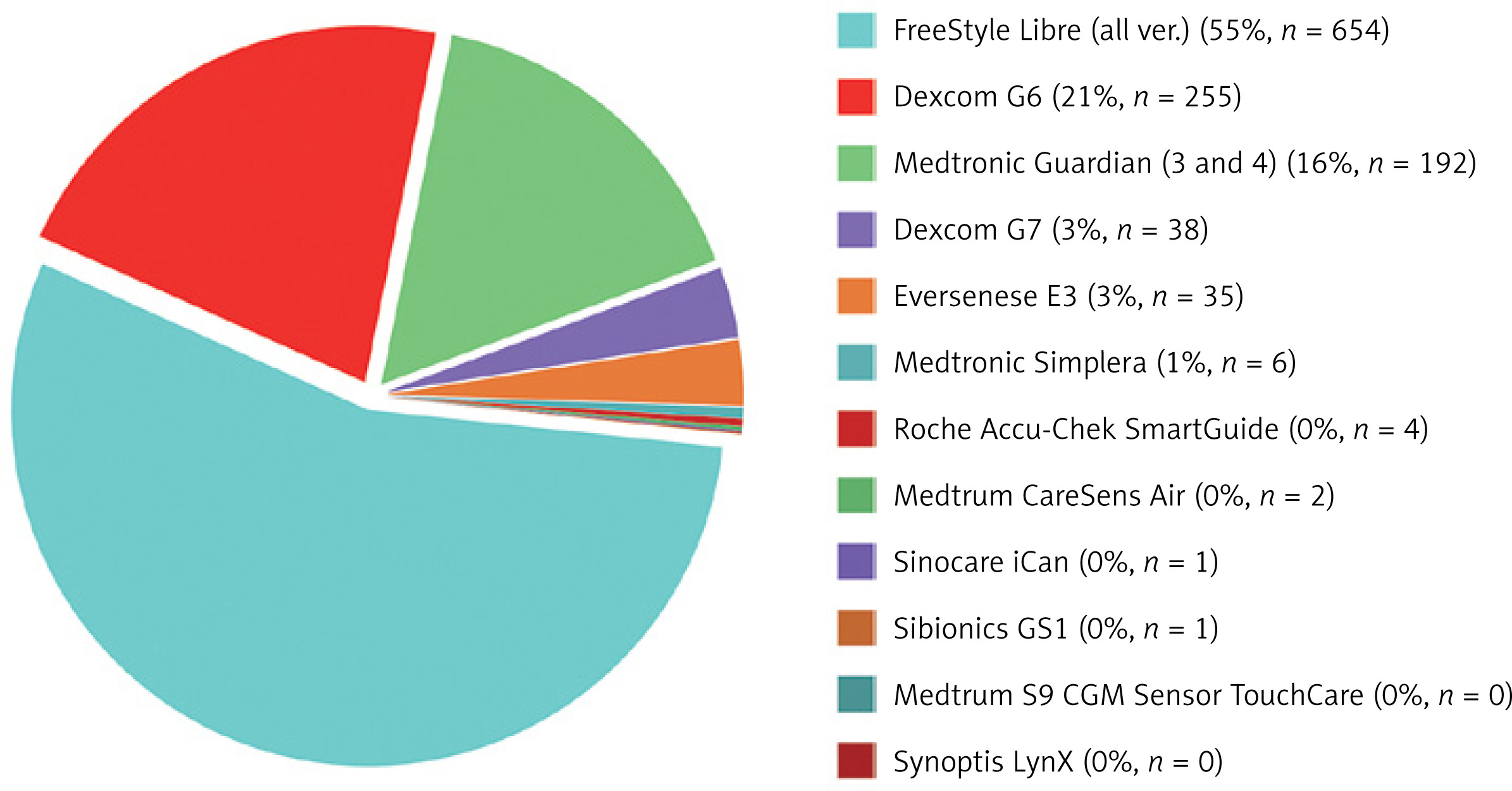
Several articles on currently available or previous versions of CGM systems have been analyzed above. The latest versions of rtCGM sensors from manufacturers such as Medtronic, Dexcom, Abbott, and the long-term sensor from Eversense are often analyzed, and their effectiveness is consistently confirmed [97–99]. There are far fewer test results for sensors being introduced to the market. Due to the emergence of new sensors, an international group of diabetes experts has issued recommendations on parameters that new sensors approved for sale in Europe should meet [4]. Unfortunately, at present, it is often difficult to find studies evaluating a particular sensor, or only the results of studies on other sensor versions are available. At the end of 2025, the PubMed database had no articles on rtCGMs, including Lynx, or S9 CGM Sensor TouchCare and only one result for iCan I3 or Sibionics GS1 (Figure 4). The websites of new manufacturers often include much less information than those of more established providers. They do not cite articles describing the sensor being sold, which the leading manufacturers usually do. Of the new sensors mentioned in this article, most information is available for the Accu-Chek SmartGuide sensor and the CareSens Air [100–103].
Figure 4
Distribution of PubMed-indexed publications mentioning selected continuous glucose monitoring (CGM) systems as of November 2025. The FreeStyle Libre series dominates the scientific literature, followed by Dexcom G6 and Medtronic Guardian. Other sensors, including Dexcom G7 and Eversense E3, account for a smaller proportion of indexed studies, reflecting their more recent introduction to the market
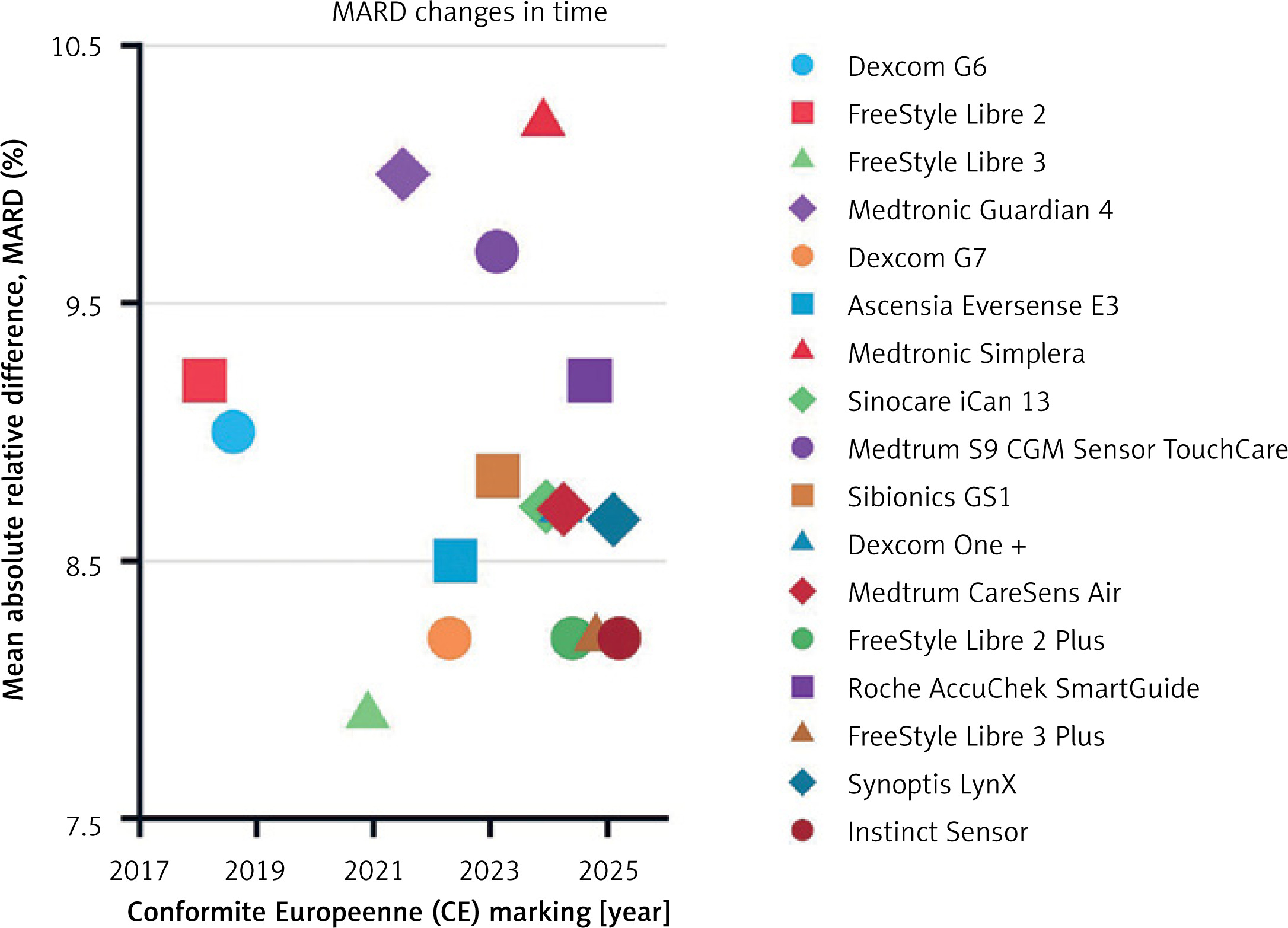
Before being placed on the market in European countries, medical equipment must obtain a CE certificate. The CE mark signifies that the product complies with applicable law [104]. For CGM sensors classified as IIb (moderate to high risk) products, an assessment by a notified body (a government-appointed, independent, and specialist organization that can assess a medical device) is also required [105]. Despite the need for device evaluation by a specialized organization, there are no standards for evaluating CGM sensors, nor guidelines for conducting trials correctly. The need to introduce ISO standards for CGM sensors was highlighted by the International Federation of Clinical Chemistry and Laboratory Medicine, which established an expert group to develop them [106]. During certification, a notified body may issue a CE mark based on the assessment of only a representative sample of the equipment data or when the manufacturer registers the device as “equivalent” to a device already bearing the CE mark [107]. As a result, clinical studies assessing safety can only be presented for the first generation of the device [108]. Importantly, the lack of standards defining the trial protocol and the equipment manufacturer’s sponsorship of the research may affect the reliability of the results [109]. The new EU Medical Device Regulation (MDR) 2017/745/EU, in force since 2021, was supposed to improve the certification process [110]. This document provides for greater oversight of notified bodies by member states and was intended to improve product safety and enhance post-market product assessment. Unlike European certification, FDA registration of a medical product is more rigorous. Due to the popularization of CGM systems, a notification pathway known as the iCGM criteria has been developed. These guidelines are the first standards for study design and define measurement accuracy. The certification process in the US is carried out by a government organization, which may extend the acceptance time, but limits the risk of abuse. The process of obtaining the CE mark is presented in Table IV. Figure 5 shows the CE marking timeline for CGM systems.
Table IV
The process of obtaining the CE mark
Figure 5
MARD values along the CE-marking timeline of CGM systems. Devices introduced in 2021–2023 exhibited higher MARDs, whereas the most recent releases show decreasing MARDs, indicating improved accuracy
Additionally, when selecting a sensor, the user should consider its functionality. Some systems are equipped with simple alarms that are sufficient for less demanding patients, e.g., those with low glycemic variability or those treated with drugs that do not cause hypoglycemia. Patients who require intensive insulin therapy should use more sophisticated alarms. Regarding Dexcom products, the G7 sensor has significantly more alarms than the One+. Similarly, the new Accu-Chek SmartGuide sensor features a predictive application that is well suited for patients with unstable blood glucose levels [101, 102]. Hypoblocking is present in closed-loop insulin pumps (780G, Ypso) [32, 48, 49]. The previously mentioned SMART CGM systems, combined with an InPen injector, also have a prediction function [30, 39, 41]. Unfortunately, the InPen injector is currently an expensive solution, so few patients decide to use it. When choosing the most suitable system with available alarms, the user should consider the possibility of “alarm fatigue” [111]. In a survey of individuals who stopped using the rtCGM system, 36% reported too-frequent alarms and 46% reported false alarms [112]. The most commonly cited reasons are accuracy, followed by inconvenience, price, and lack of insurance coverage. Therefore, it is essential to inform the patient about the lag-time phenomenon, which results from differences in measurement locations [9, 11].
Physically active patients may require rtCGM systems equipped with features useful during sports. Using an rtCGM sensor may be challenging when the patient needs to carry a phone or an insulin pump at all times to obtain results. The mentioned Dexcom systems will work well in this solution, as they can receive data directly on a smartwatch [55, 56]. The Eversense system is an excellent solution for patients training in contact combat sports or those exposed to water for extended periods. They will not have to worry about the sensor being accidentally removed, as it is implanted subcutaneously [82]. Some patients experience sensor detachment. Hence, some manufacturers provide dedicated patches to protect the sensor. Sensor supporting bands or adhesive bandages can also be helpful.
Conclusions
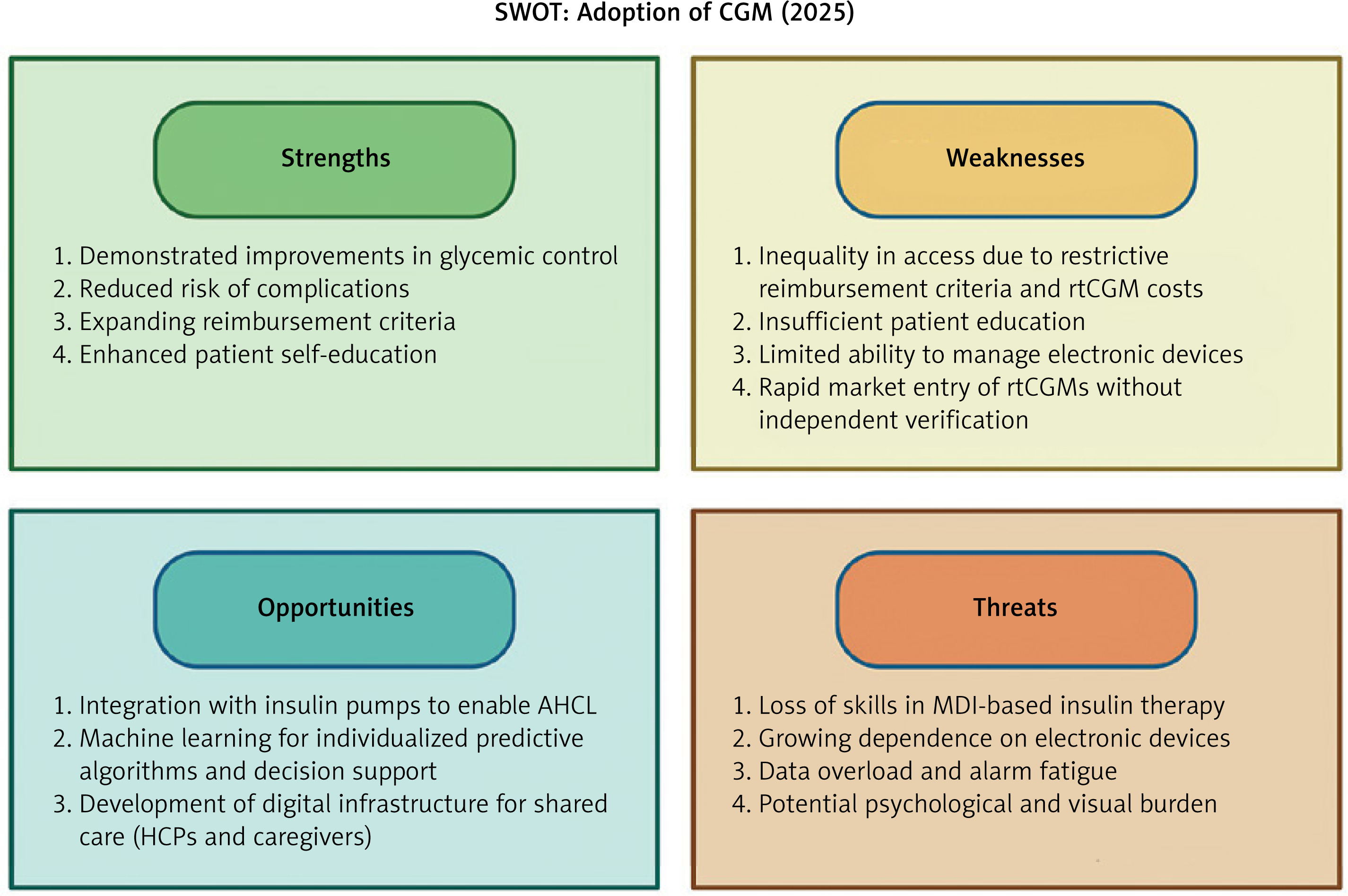
The emergence of rtCGM sensors on the market provides healthcare providers with insightful tracking of patients’ disease course, glucose self-management, and lifestyle, enabling a personalized approach and tailored treatment. Physicians should respond to these adjustments by expanding and updating their knowledge of available rtCGM devices, their cost-effectiveness, and the results of clinical studies. Available sensors exhibit very similar MARD values. Therefore, when choosing an rtCGM device, we should focus more on the features discussed in the article than on a nonsignificant difference in measurement error. Manufacturers of new rtCGM systems should be obligated by policymakers to conduct extensive peer-reviewed research and analysis to help medical professionals become more familiar with the characteristics of specific sensors. There is also an increasing need for independent, peer-reviewed evaluations of new rtCGM parameters to form authoritative recommendations from diabetes associations. Ensuring equitable access to CGM requires transparent reimbursement criteria, targeted support for underserved groups, and integration of digital literacy training into routine care. Additionally, new solutions and AI implementations enable manufacturers of competing systems to upgrade their technology and offer new solutions continually. Currently, only three hybrid insulin pumps are officially available in Poland; however, this article reports that new AHCL solutions are likely to become available soon. A SWOT analysis of rtCGM adoption is provided in Figure 6.