Introduction
Crohn’s disease (CD) is a chronic, non-specific inflammatory condition of the gastrointestinal tract. Despite ongoing advances in medical science, its etiology remains poorly understood, and no definitive cure has yet been discovered. Consequently, CD continues to represent a significant medical and social challenge.
The highest rates are observed in Western industrialized countries, ranging from 10 to 30 cases per 100,000 person-years, with a steady increase noted since the mid-20th century [1–3]. Similar upward trends have been reported in East Asian countries such as Japan, China, and South Korea [1, 2]. In contrast, CD remains relatively rare in Africa and South America [2]. Increased vulnerability has been associated with urban residency and northern latitudes [2, 3]. The incidence typically peaks in the second and fourth decades of life, with no substantial sex differences [2, 3].
Although currently incurable, [4] the course of CD can be managed and its symptoms controlled. Standard pharmacological treatments include corticosteroids, thiopurines (azathioprine, 6-mercaptopurine), methotrexate, anti-TNF agents (infliximab, adalimumab, certolizumab pegol), anti-integrin agents (vedolizumab, natalizumab), and ustekinumab [5].
Pharmacotherapy is often complemented by surgical intervention, which plays a key role in managing CD and its complications. Surgical strategies vary based on the intraoperative findings, with bowel-sparing approaches being the most desirable. The need for surgery increases with disease progression, [6] and up to 80% of patients with CD will undergo at least one surgical procedure during their lifetime [7].
While surgery is effective in inducing remission and resolving complications, major abdominal operations ‒ such as segmental resection of the small or large intestine, strictureplasty, intestinal bypass, stoma formation, or restoration of bowel continuity ‒ are associated with a high complication rate, exceeding 60% [8].
Patients undergoing surgery are often younger and may present with intestinal malabsorption, secondary malnutrition, and hypoproteinemia. Surgeons must be vigilant regarding both general postoperative risks and those specific to CD. Early postoperative complications include septic events, anastomotic leakage, bleeding, and bowel obstruction. Their occurrence significantly impairs treatment outcomes and patients’ quality of life; therefore, particular attention should be paid to all possible methods of complication prevention.
The aim of this study was to identify patient-related factors that influence the risk of early postoperative complications in individuals undergoing abdominal surgery for Crohn’s disease.
Methods
This paper forms part of the research undertaken for the doctoral dissertation of one of the authors, titled “Multifaceted assessment of perioperative risk factors in patients with Crohn’s disease”.
The data are presented in compliance with the MOOSE (Meta-analyses of Observational Studies in Epidemiology) checklist and the PRISMA (Preferred Reporting Items for Systematic Reviews and Meta-Analyses) 2020 statement [9].
Information sources and search strategy
The first author performed a systematic review of the literature available in PubMed, Cochrane Library, Academic Search Ultimate (EBSCO), and Google Scholar databases between 21 November 2021 and 4 December 2021. The search terms included combinations of the following keywords: “Crohn’s disease”, OR “Crohn’s disorder”, OR “IBD”, OR “regional enteritis”; AND “complications”, OR “outcomes”, OR “morbidity”, OR “recurrence”, OR “relapse”, OR “remission”, OR “treatment outcome”, OR “treatment failure”, OR “reoperation”; AND “postoperative”, OR “perioperative”; AND “risk factors”, OR “contributing factors”, OR “predisposing factors”; AND “surgery”, OR “resection”. The search was performed with and without the use of logical operators (‘AND’ and ‘OR’).
The study included articles published up to 4 December 2021. A systematic re-examination of the previously searched databases was performed on July 15, 2025, following a three-and-a-half-year interval, employing consistent methodology to refresh the literature review.
No authors were contacted to search for unpublished papers. All papers were considered regardless of the language of publication. In order to increase the number of search results, the “related articles” function in PubMed and the reference lists of selected articles were also reviewed.
Eligibility criteria
After reviewing the titles and abstracts of available papers, articles were included in the meta-analysis according to the PICO formula:
Participant: individuals over 15 years of age, of any sex, race, or geographic origin, who underwent abdominal surgery for CD.
Intervention: presence of patient-related risk factors (age, sex, hypoalbuminemia, serum C-reactive protein (CRP) levels, anemia, blood leukocyte levels, body mass index (BMI), nicotinism, diabetes, hypertension).
Comparator: absence of the respective risk factor.
Outcome: any complication that occurred within 1 month after surgery as defined by the American College of Surgeons National Surgical Quality Improvement Program (ACS-NSQIP) [10] (Table I).
Table I
Types of complications taken into account in the study (By ACS-NSQIP definition)
The listed complications were graded by severity on a scale of 1 to 5 according to the Clavien–Dindo classification (Table II).
Table II
Clavien-Dindo classification
Inclusion criteria required studies to present precise event counts or odds ratios accompanied by 95% confidence intervals, mean values of the risk factor under investigation in the complication group, and their respective control counterparts.
Studies had to employ one of the following designs: observational study, randomized or non-randomized controlled trial, prospective or retrospective cohort study, case–control study, or cross-sectional study.
Exclusion criteria were: insufficient data or duplicate studies involving the same group of patients; studies conducted on animals; pregnant patients; patients suffering from indeterminate colitis or ulcerative colitis. Types of operations that required disqualification from the study were: cholecystectomy; organ transplantation; and operations for perianal disease.
If the follow-up was longer than 30 days or difficult to determine or there were no results from a comparison group, the study was also excluded.
Data collection process
The obtained studies were reviewed by the first author using the Mendeley Desktop version 1.19.8 (Mendeley Ltd., London, UK) library and the Microsoft Excel 2010 (14.0.7268.5000) (Microsoft Corp., Redmond, USA) program. The following data were collected: the title; first author; year of publication; study design; country and type and day of the performed operations; postoperative complications and their risk factors. Any disagreements were resolved by discussion with the fourth author, who was also the principal investigator. Articles in a language other than English were translated using Google Translate (Google LLC, Mountain View, USA).
Quality assessment
The quality of the included studies was assessed by the first author using the Newcastle Ottawa Scale (NOS). Studies with a score of ≥ 5 points were considered to be of high quality.
Statistical analysis
Calculations for the meta-analysis were performed using Statistica 13.1. Because heterogeneity among the included studies was expected, a random-effects model was used. Two-sided statistical tests with p-values of less than 0.05 indicated statistical significance. The results were visualized in forest plots using two effect sizes: OR as the statistical measure for dichotomous outcomes, with 95% confidence intervals (CIs); and response ratio (R) with 95% CIs for continuous variables reported as means with standard deviations. Cumulative meta-analysis was used to determine the cumulative effect and how its error changed over time when taking subsequent publications into account. Statistical heterogeneity was analyzed with I2, with I2 > 50% indicating substantial heterogeneity. Publication bias was assessed using Egger’s test, with p < 0.1 indicating statistically significant asymmetry, and the results were visualized in a funnel plot. Sensitivity was analyzed using leave-one-out sensitivity analysis to assess changes in the cumulative effect estimate after exclusion of individual studies from the meta-analysis.
Evaluation of the strength of evidence
The strength of evidence was determined based on three criteria as indicated previously [11]: Egger’s test p-value > 0.1, the whole study group over 1,000 patients, and I2 < 50%. Briefly, Level I strength of evidence (high-quality) was achieved when all three conditions were met, Level II (moderate-quality) when two were met, Level III (moderate-quality) when one was met, and Level IV (low-quality) when none of the three conditions were met.
Results
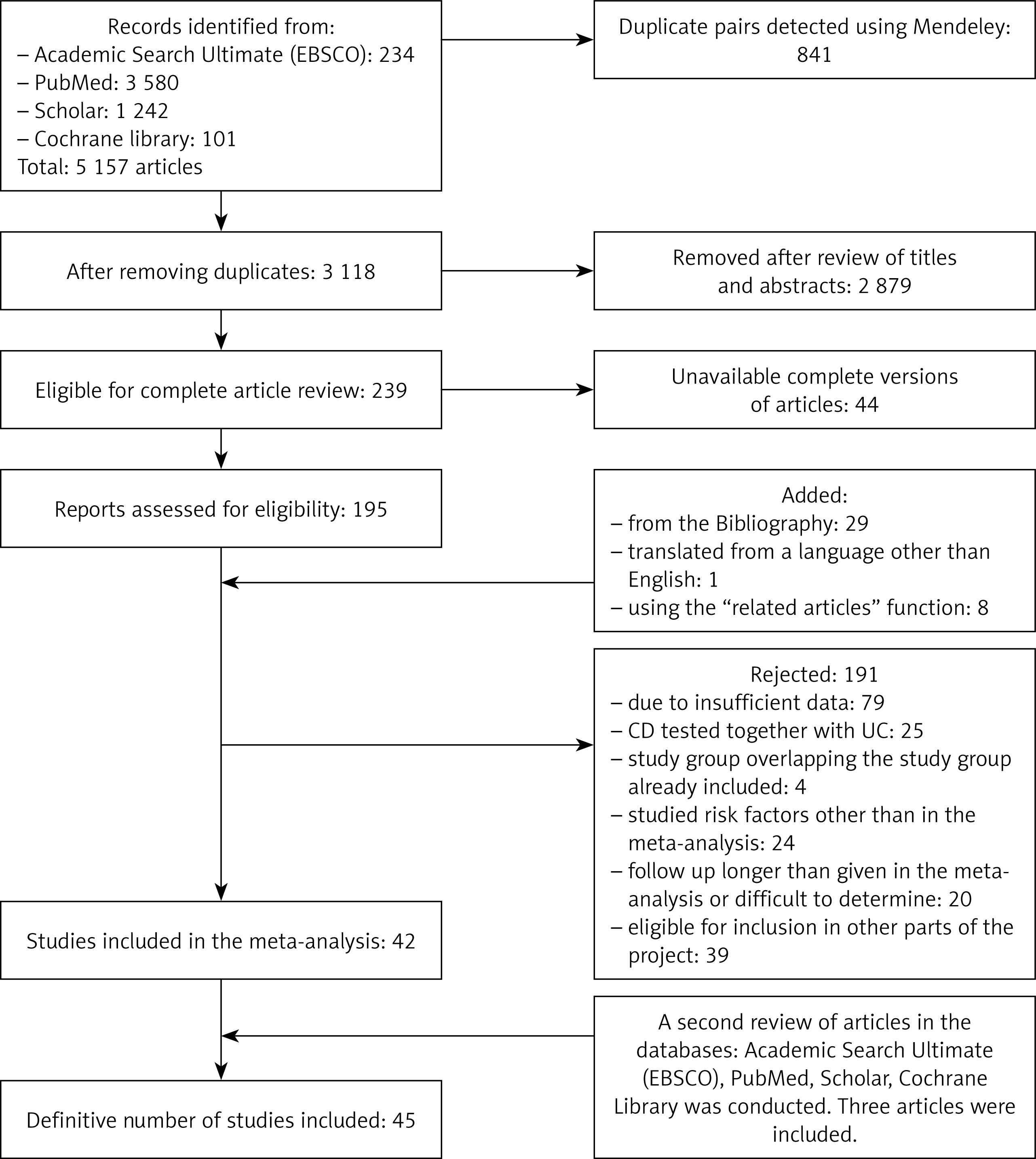
In total, 5,157 papers were identified through the database searches. Of these, 45 articles were selected for inclusion in the meta-analysis.
A detailed report on the numbers of identified, screened, and selected articles can be found in Figure 1.
Detailed information on the included studies and their quality assessment (Newcastle–Ottawa Scale) are presented in Table III [12–56].
Table III
Articles included in the meta-analysis
| Study | Study period | Country/region | Study design | No. of patients | Mean/median* age | No. of complications | Surgery types | NOS scorea |
|---|---|---|---|---|---|---|---|---|
| Wang et al. 2024 [12] | 2017–2022 | China | Retrospective analysis | 181 | 39.04 | 10 | Intestinal resection: ICR, right hemicolectomy, left-sided colectomy, subtotal colectomy, segmental resection of small bowel | 5 |
| Lahes et al. 2022 [13] | 2001–2018 | Germany | Retrospective analysis | 426 | 41* | 158 | Small bowel or colorectal resection, ileostomy or colostomy, closure of ileostomy or colostomy, or strictureplasty | 6 |
| Lavorini et al. 2022 [14] | 1994–2018 | Italy | Retrospective analysis of a prospectively collected database | 307 | 37* | 72 | Elective primary ileocolic resection | 6 |
| Larson et al. 2021 [15] | 2012–2017 | USA, Switzerland | Retrospective review | 2,899 | 38 | 1,094 | Right colectomy and index ileocecal resection | 7 |
| Tiberi et al. 2020 [16] | 2008–2019 | Italy | Observational retrospective study | 133 | 41.2 | 6 | Ileocolic resection | 5 |
| O’Brien et al. 2020 [17] | 2014–2018 | USA | Single-institution retrospective observational study | 118 | 40* | 19 | Ileocolic resection | 5 |
| Kline et al. 2020 [18] | 2008–2018 | USA | Retrospective clinical and genetic cohort study | 269 | No inf. | 86 | Ileocolectomy | 7 |
| Gklavas et al. 2020 [19] | 2010–2018 | Greece | Single-center retrospective study | 153 | 36* | 35 | Ileocolic resection | 7 |
| Dong et al. 2020 [20] | 2016–2019 | China | Retrospective review | 202 | 36.5 | 66 | Intestinal resection | 7 |
| Duan et al. 2020 [21] | 2016–2019 | China | Retrospective review | 129 | No inf. | 55 | Small-bowel resection: 45; ileocolic resection: 44; segmental colectomy: 21; other (ostomy closure, strictureplasty, and stoma creation without resection): 19 | 6 |
| Sakurai Kimura et al. 2020 [22] | 2012–2018 | Brazil | Retrospective review | 103 | 40.6 | 33 | Abdominal surgeries for CD | 5 |
| Yoon et al. 2020 [23] | 2005–2015 | USA, South Korea | Retrospective review | 409 | 35 | 166 | All laparoscopic ileocolic resection | 7 |
| Yu et al. 2019 [24] | 2006–2015 | South Korea | Retrospective study | 817 | No inf. | 204 | Small bowel surgery: 252; ileocecal resection with or without small bowel surgery: 247; right hemicolectomy with or without small bowel resection: 178; total colectomy with or without small bowel surgery: 66; total proctocolectomy with or without small bowel surgery: 35; left hemicolectomy/ anterior resection or low anterior resection with or without small bowel surgery: 18; abdominoperineal resection or Hartmann’s procedure:21 | 7 |
| Gutiérrez et al. 2019 [25] | 2007–2010 | Spain | Retrospective review | 364 | 38 | 100 | Ileocolic resection with ileocolic anastomosis | 6 |
| Nguyen et al. 2019 [26] | 2005–2012 | USA, Canada | Retrospective review of prospectively maintained database | 6,082 | No inf. | 1,315 | IBD-related bowel surgery | 5 |
| Müller et al. 2018 [27] | 2000–2014 | Austria | Retrospective cohort study | 182 | 31.57 | 41 | Laparoscopic intestinal resection: ileocecal resection: 123; colonic resections: 46; segmental small bowel resection: 10; rectal resection: 3 | 7 |
| Aaltonen et al. 2018 [28] | 2011–2015 | Finland | Retrospective study | 70 | 41.5* | 14 | Ileocolic resection: 51; ileocolic resection and small bowel resection: 3; small bowel resection: 6; sigmoidectomy with colorectal anastomosis: 3; subtotal colectomy with ileosigmoidal anastomosis: 1; colectomy with ileorectal anastomosis: 6; | 6 |
| Aydinli et al. 2018 [29] | 2015 | USA, Turkey | Retrospective study | 1,643 | 41.2 | 507 | Ileocolic resection or right hemicolectomy: 1191; partial colectomy: 375; low anterior resection: 77 | 7 |
| Jouvin et al. 2018 [30] | 2002–2013 | France, Ireland | Retrospective review | 360 | 33 | 87 | All ileocolic resection with additional: small bowel resection: 31; small bowl suture: 8; strictureplasty: 6; colonic resection: 18; colonic suture: 36; bladder suture: 7; other: 36 | 6 |
| Mege, Michelassi 2018 [31] | 2004–2016 | USA | Retrospective review of prospectively maintained database | 712 | No inf. | 70 | Strictureplasty: 137, stoma-related proc.: 62; small-bowel resection: 616; ileocecal resection: 388; segmental colectomy: 66; proctectomy: 64; extensive resection: 93; other: 72 | 5 |
| Atasoy et al. 2018 [32] | 2001–2016 | Turkey | Retrospective review | 147 | 36 | 26 | Ileocecal resection: 105; small bowel resection: 13; colectomy: 29 | 6 |
| Zhao et al. 2018 [33] | 2013–2016 | China | Single-center, retrospective study | 186 | No inf. | 87 | Total colectomy: 22; segmental colectomy:45; ileocecal resection: 47; small bowel resection: 72 | 6 |
| El-Hussuna et al. 2017 [34] | 2015 (2–month period) | Denmark/ international 151 centers around the world | Observational prospective cohort study | 375 | 37* | 126 | Right hemicolectomy or ileocaecal resection | 7 |
| Kotze et al. 2016 [35] | 2007–2014 | Brazil | Retrospective and observational study, | 123 | No inf. | 45 | Small bowel resection: 39; ileocecal resection: 59; total colectomy: 7 | 7 |
| Lee et al. 2016 [36] | 1999–2014 | South Korea | Retrospective review | 50 | 38.4 | 18 | Small bowel resection: 15; right hemicolectomy: 28; combined: 7 | 5 |
| Li et al. 2016 [37] | 1998–2014 | USA | Retrospective review of prospectively maintained database | 1,331 | 41.2 | 628 | Small-bowel resection: 186; ileocolic resection: 687; segmental colectomy: 51; total/subtotal colectomy: 192; total proctocolectomy: 134; stoma creation without resection: 52; other (redo ileocolonic anastomosis, strictureplasty, ileostomy revision): 159 | 7 |
| Zhou et al. 2016 [38] | 2012–2014 | China | Retrospective review | 73 | 36.14 | 25 | Intestinal resection and anastomoses, with or without a covering stoma | 7 |
| Yamamoto et al. 2016 [39] | 2008–2013 | Japan, Italy, Brazil | International multicenter retrospective review | 231 | 33 | 55 | All ileocolonic resections with primary anastomosis | 7 |
| Ding et al. 2015 [40] | 2011–2013 | USA | Retrospective review | 164 | No inf. | 64 | Stoma related: 69; small-bowel resection: 20; ileocolic resection: 113; partial colectomy: 9; subtotal colectomy: 15; total colectomy: 11; anterior resection: 2 | 6 |
| Kulaylat et al. 2015 [41] | 2005–2012 | USA | Multicenter retrospective review | 7,631 | 41.8 | 2,099 | Enterectomy: 1091; ileocolectomy: 3190; partial colectomy: 1915; total abdominal/proctocolectomy: 1076; proctectomy: 359 | 7 |
| Mege et al. 2015 [42] | 2000–2012 | France | Retrospective review | 80 | 33.5* | 15 | Fecal diversions: 80; covering loop ileostomies: 17; lateral stapling of the sigmoid colon for enterocolonic fistula: 9; left hemi-colectomy for an extended inflammatory mass: 3; complementary small bowel resection: 1; urinary diversion with double J catheter to identify the ureter in an inflammatory mass: 1; liver biopsy for cirrhosis suspicion: 1; no stricturoplasties were performed | 5 |
| Scarpa et al. 2015 [43] | 2000–2013 | Italy | Retrospective observational review | 146 | No inf. | 21 | Total colectomy: 12; ileal resection: 20; colonic resection: 26; ileo-colonic resection: 87; ileal stricturoplasty: 15 | 7 |
| Connelly et al. 2014 [44] | 2007–2012 | USA | Retrospective review | 143 | No inf. | 41 | Ileocolectomy | 5 |
| Joyce et al. 2013 [45] | 2001–2007 | USA | Retrospective review | 691 | No inf. | 168 | Segmental bowel resection: stomach: 1; duodenum: 2; jejunum: 33; ileum: 497; terminal ileum: 356; colon: 455; rectum: 105; ileal pouch anal anastomosis: 12; strictureplasty: 81 | 5 |
| Bafford et al. 2013 [46] | 1999–2010 | USA | Retrospective review of prospectively maintained database | 196 | 40.9 | 45 | Ileocolic resection: 127; small bowel resection: 26; segmental colectomy: 13; low anterior resection: 18; protective stomas: 12 | 6 |
| Riss et al. 2012 [47] | 1998–2008 | Austria | Retrospective review | 182 | No inf. | 25 | Ileocolic resection: 153; small bowel resection: 25; rectal resection: 2; colonic resection: 24; closure of bowel fistula: 32; strictureplasty: 16; others: 8 | 5 |
| Yang et al. 2012 [48] | 1991–2010 | South Korea | Retrospective review of prospective database | 350 | 29 | 81 | Abdominal surgery | 6 |
| Brouquet et al. 2010 [49] | 1998–2008 | France | Retrospective, observational study of prospective database | 61 | 41* | 23 | Ileocolonic resection: 54; small bowel resection: 7 | 7 |
| Holubar et al. 2010 [50] | 1997–2008 | USA | Retrospective review of prospective database | 92 | 41 | 31 | Both laparoscopic-assisted and hand-assisted laparoscopic surgery; total colectomy and included total proctocolectomy with or without anastomosis or stoma, total abdominal colectomy with or without anastomosis or stoma, and subtotal colectomy with or without anastomosis or stoma; segmental colectomy subgroup | 7 |
| Bergamaschi et al. 2009 [51] | 1992–2006 | USA, France | Retrospective review | 80 | 40* | 6 | All ileocolic resections with intracorporeal anastomosis | 7 |
| Sampietro et al. 2009 [52] | 1993–2007 | Italy, UK | Retrospective review | 393 | 39.7 | 22 | In 393 consecutive patients with small bowel CD, a total of 865 jejunoileal segments were treated by using 318 minimal bowel resections and 367 stricturoplasties | 5 |
| Takahashi-Monroy 2005 [53] | 1979–1997 | Mexico | Retrospective review | 34 | 46 | 11 | Ileocecal resection: 17, total colectomy with ileo-rectal anastomosis: 5, Intestinal resection: 4, left hemicolectomy: 3, total colectomy with Hartmann pouch: 2, total non-restorative proctocolectomy: 2, primary perforation closure: 1 | 5 |
| Post et al. 1991 [54] | 1981–1989 | Germany | Retrospective review of prospectively maintained database | 368 | 33.1 | 46 | Gastroenterostomy: 4; jejunal resection: 11; ileal resection: 83; strictureplasty: 70; ileocecal resection/right hemicolectomy: 212; resection of previous anastomosis: 51; colic resection: 99; proctectomy/proctocolectomy: 3; closure of ileostomy/colostomy; closure of enteric fistula: 66; closure of vesical/genital fistula: 29; other: 28 | 5 |
| Heimann et al. 1985 [55] | 1978–1983 | USA | Retrospective study of prospectively maintained database | 130 | No inf. | 39 | Ileocolic resection: 88; subtotal colectomy: 21; abdominoperineal resection of the rectum: 10; small bowel resection only: 11; either temporary loop ileostomy or a permanent Brooke type ileostomy performed: 45 | 5 |
| Lindor et al. 1985 [56] | 1982 | USA | Retrospective review | 124 | 33* | 16 | Bowel resections: 116; bowel bypass procedures: 5; resection of diseased bowel in combination with bowel bypass: 3. | 5 |
No randomized controlled trials were identified; therefore, only cohort studies were included in the analysis, encompassing data from 28,940 patients. The mean age of patients ranged between 29 and 46 years.
Significant heterogeneity was observed between studies. The studies which adopted only serious complications, i.e. > 3a on the Clavien-Dindo Scale, as end points were: Wang et al. (2024) [12], Tiberi et al. (2020) [16], and O’Brien et al. (2020) [17]. Articles which included data on patients operated on with laparoscopic and minimally invasive techniques were: Tiberi et al. (2020) [16], Yoon et al. (2020) [23], Riss et al. (2012) [47], Holubar et al. (2010) [50], and Bergamaschi et al. 2009 [51].
Yu et al. (2019) [24] used a study group with patients aged 16 years or older, and considered complications starting at Grade 2 on the Clavien-Dindo Scale as end points. Mege, Michelassi (2018) [31], and Joyce et al. (2013) [45] estimated the number of postoperative complications based on acute hospital readmissions. Mege et al. (2015) [42] formed the study group from patients after ileocaecal resection with anastomosis and temporary protective stoma. Brouquet et al. (2010) [49] only included patients scheduled for reoperation for recurrent CD.
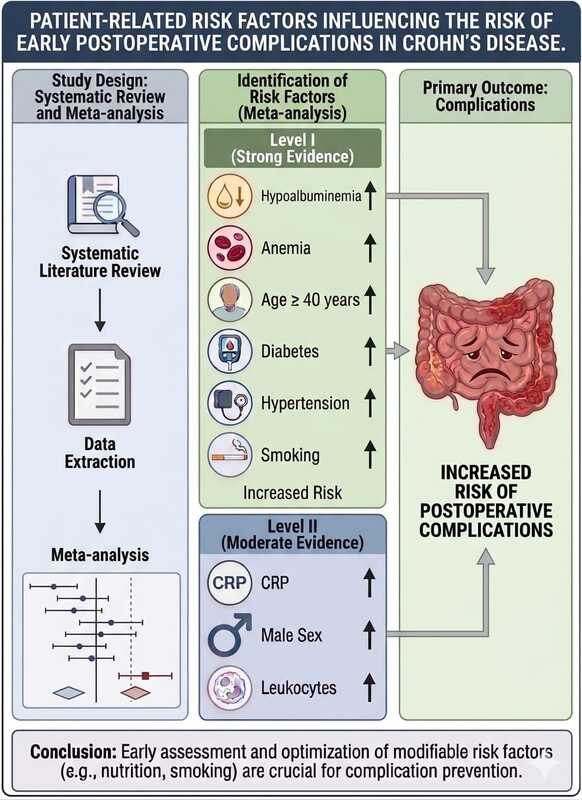
Among patient-related risk factors for early postoperative complications in Level I strength of evidence, statistically significant were : hypoalbuminemia (OR = 1.82; 95% CI: 1.62–2.06; p < 0.0001); anemia (OR = 1.77; 95% CI: 1.47–2.15; p < 0.0001); age ≥ 40 years (OR = 1.44; 95% CI: 1.18–1.77; p = 0.004); diabetes (OR = 1.28; 95% CI: 1.04–1.57; p = 0.0176); arterial hypertension (OR = 1.27; 95% CI: 1.06–1.51; p = 0.0081); and smoking (OR = 1.23; 95% CI: 1.14–1.33; p < 0.0001).
For hypoalbuminemia, cut-off points of albumin levels were ≤ 3.0 g/dl in studies by Tiberi [16], Gklavas [19], Kotze [35], Zhou [38], Post [54], Lindor [56], and Yang [48]. In anemia a threshold of HGB levels were < 12 g/dl for females and < 13 g/dl for males in studies by Aaltonen [28], Gklavas [19] and Zhao [33]; HCT thresholds of < 36% for females and < 39% for males were used in studies by Yang [48] and Aydinli [29]). For age ≥ 40 years, all studies used a cut-off point ≥ 40 years, apart from Larson [15] and Post [54], with a cut-off point > 50 years, and Takahashi-Monroy [53], with a cut-off point > 60 years.
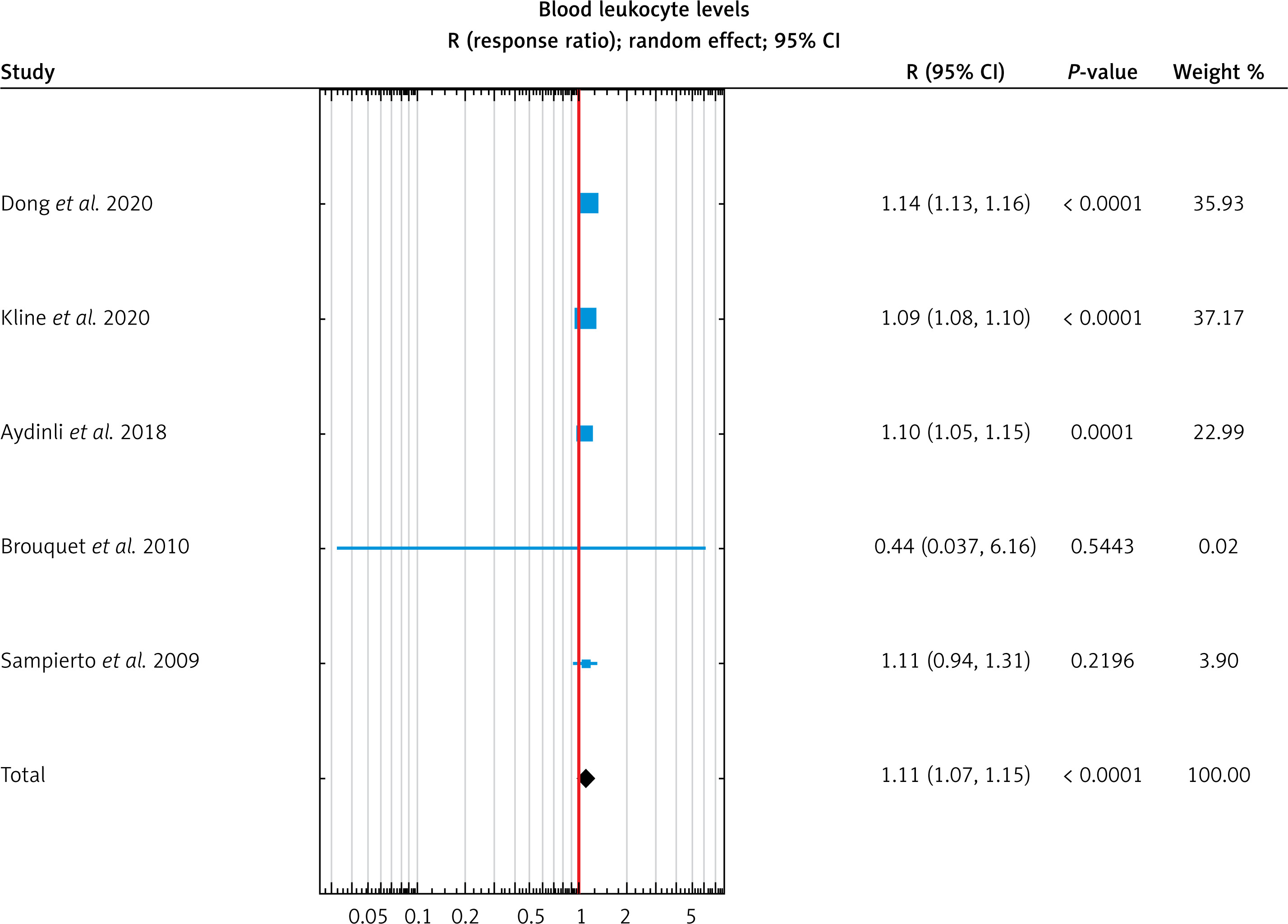
In Level II strength of evidence statistically significant factors were: CRP concentrations (R = 1.58; 95% CI: 1.32–1.89; p < 0.0001); male sex (OR = 1.23; 95% CI: 1.11–1.37; p = 0.0001), and blood leukocyte concentrations (R = 1.11; 95% CI: 1.07–1.15; p < 0.0001).
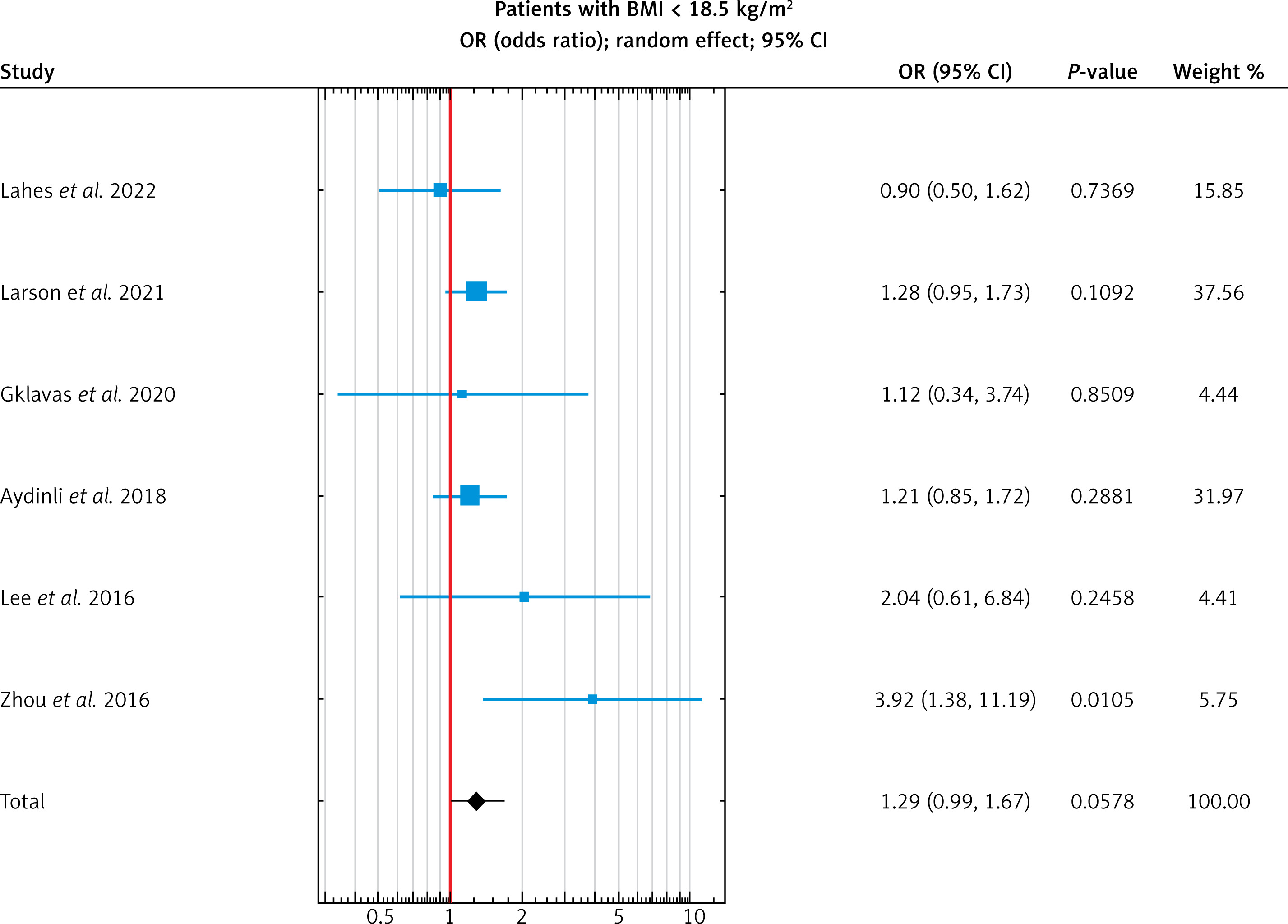
The study did not find a statistically significant association between patient BMI ≤ 18.5 kg/m2 and early postoperative complications.
Detailed results of the statistical calculations are presented in Table IV and Figures 2–11.
Table IV
Patient-related risk factors
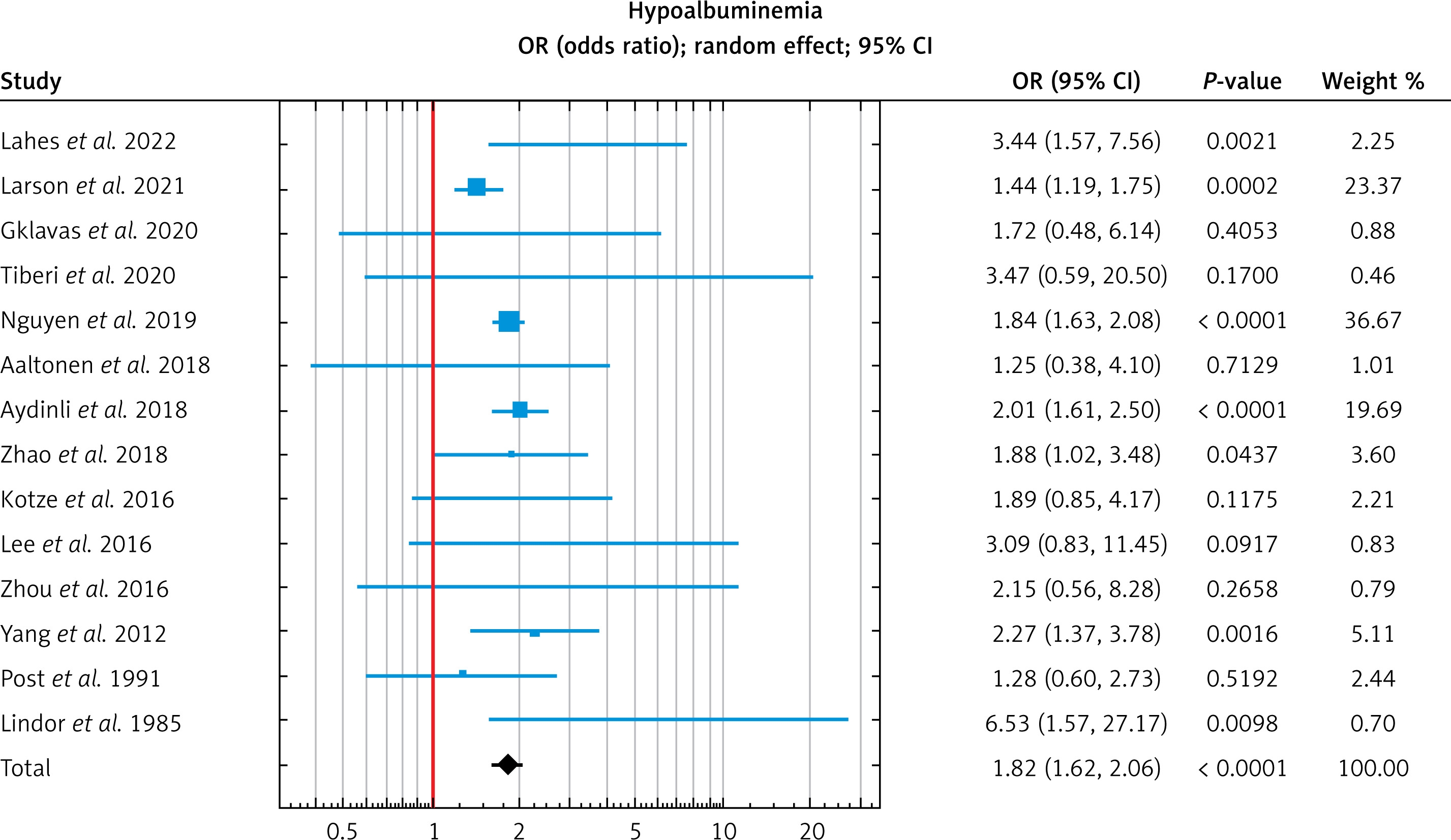
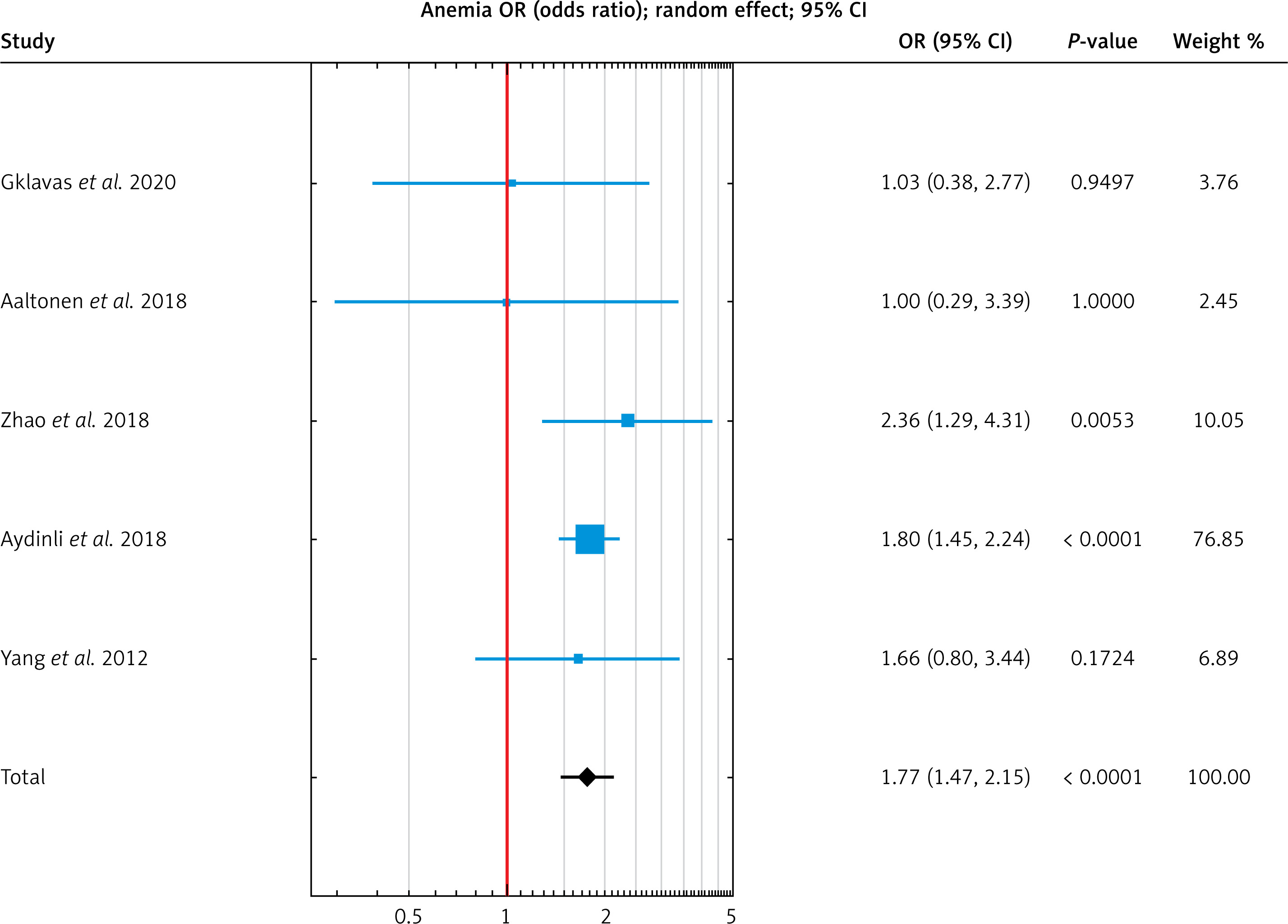
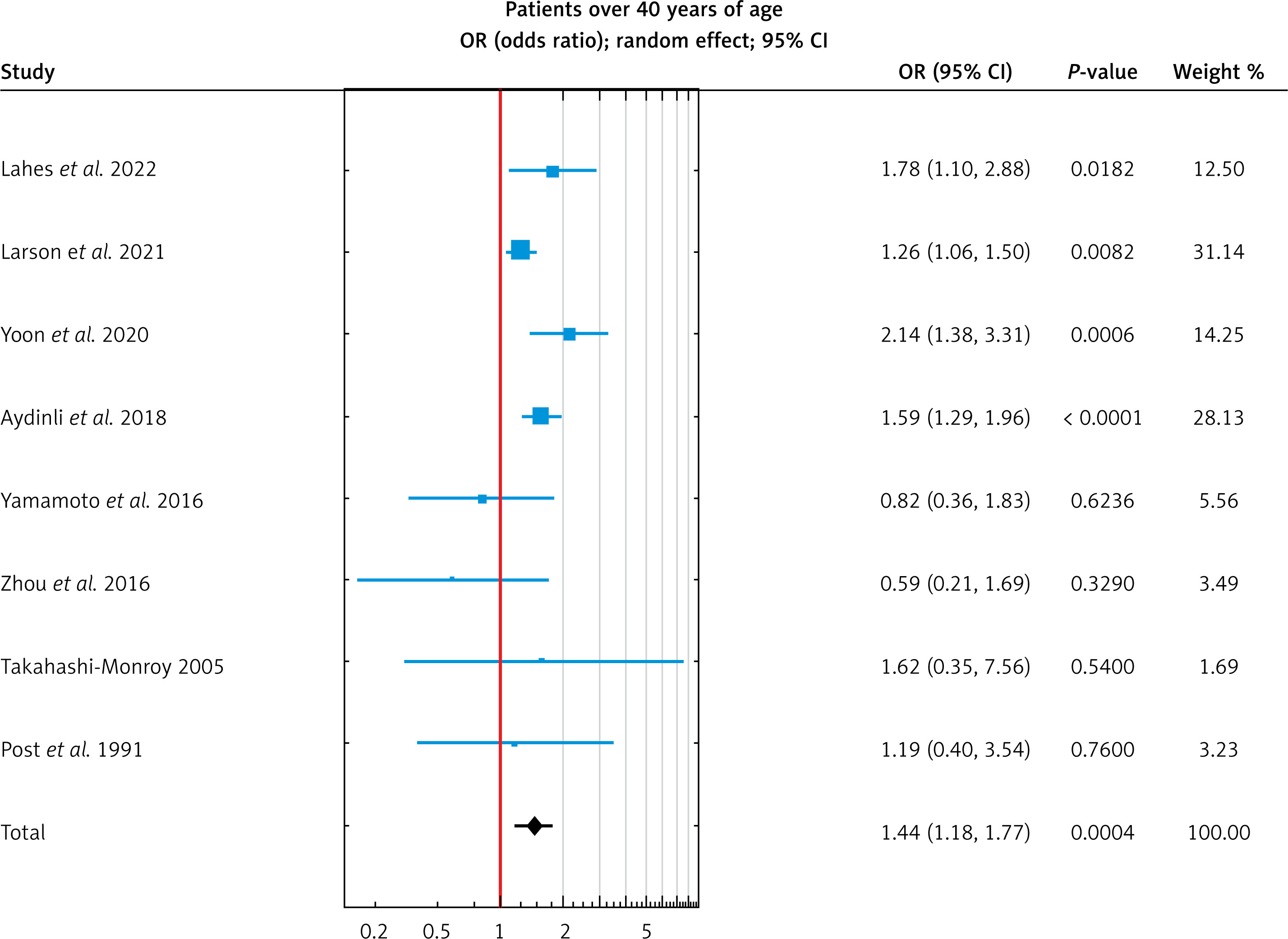
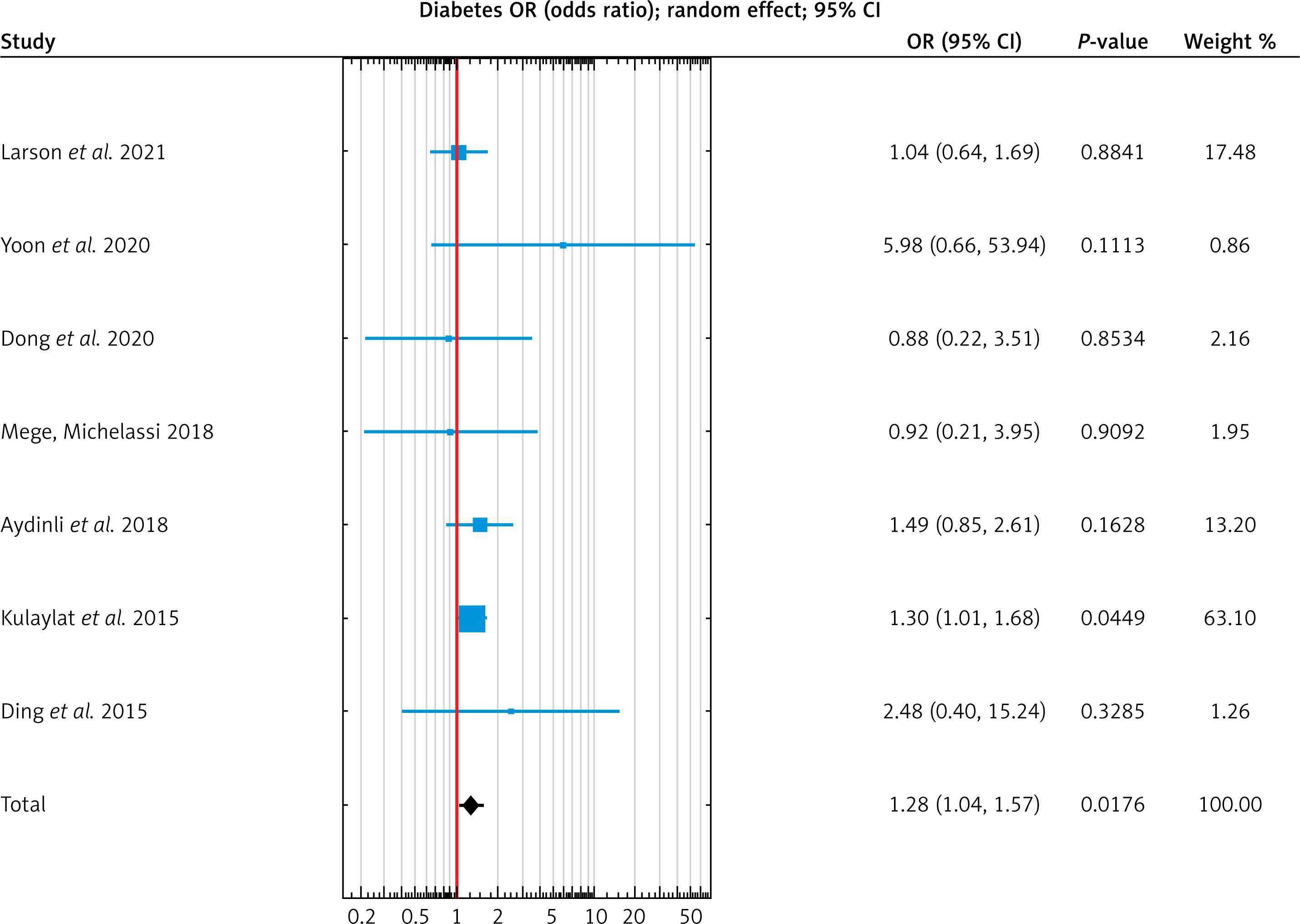
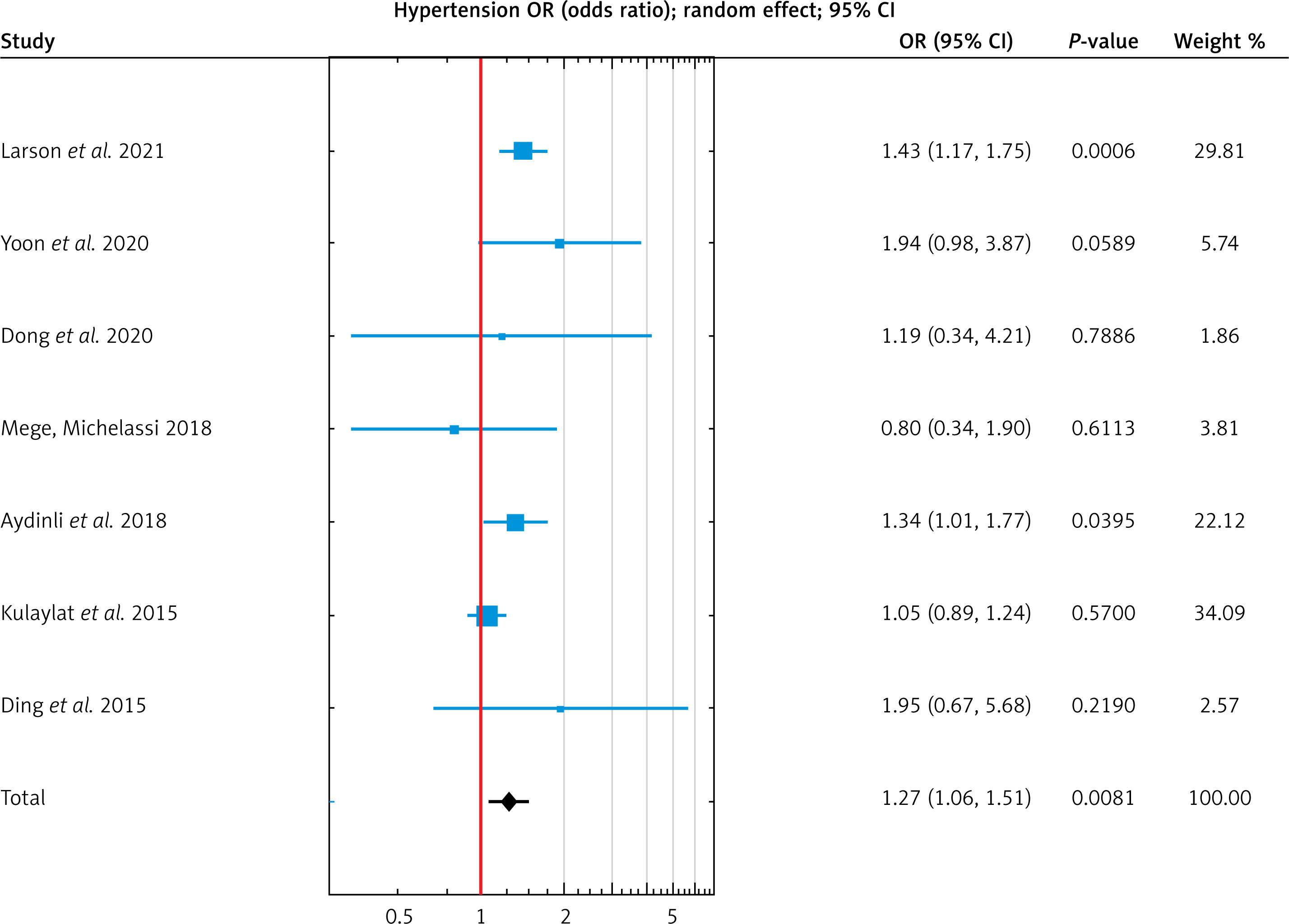
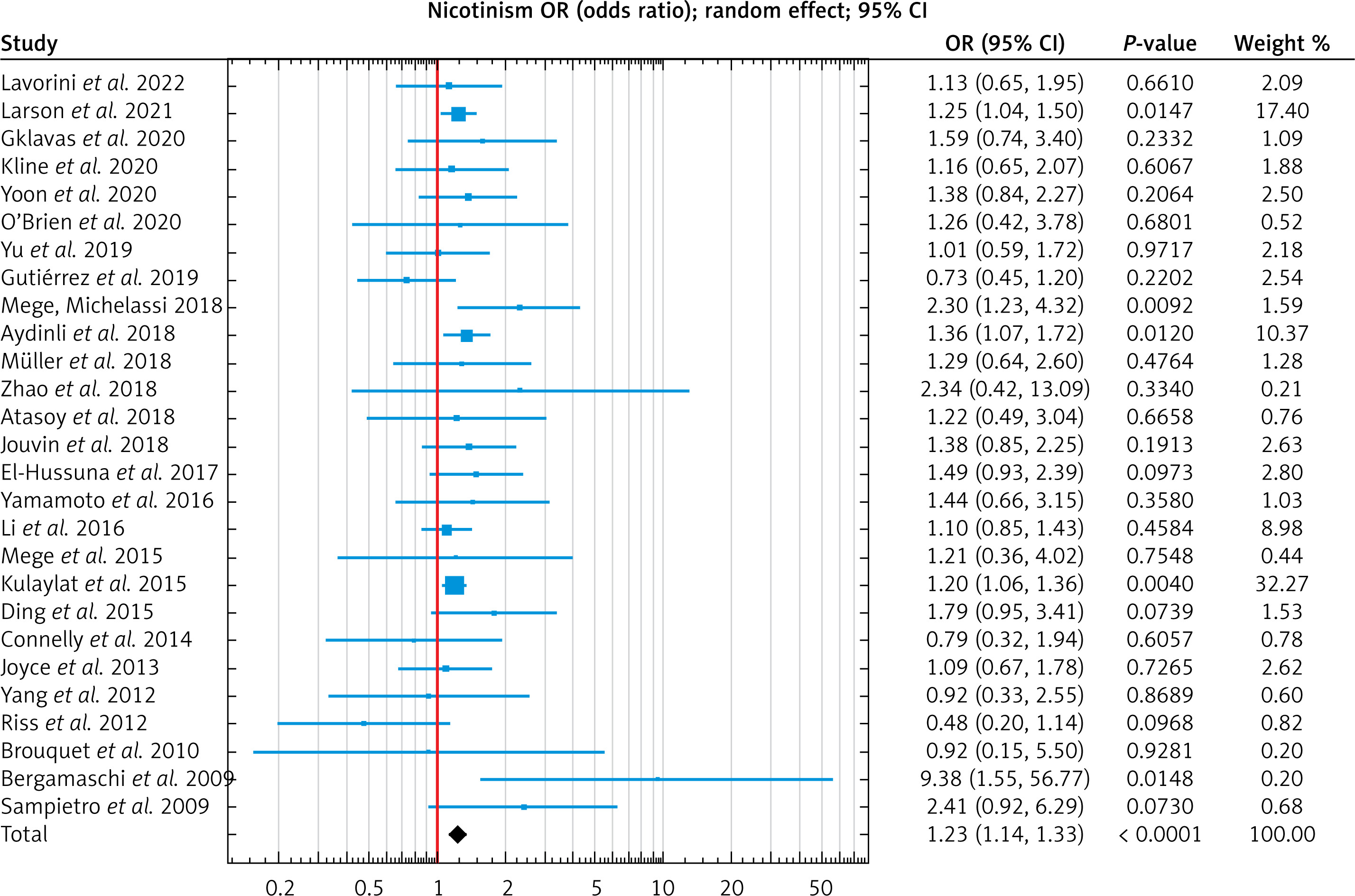
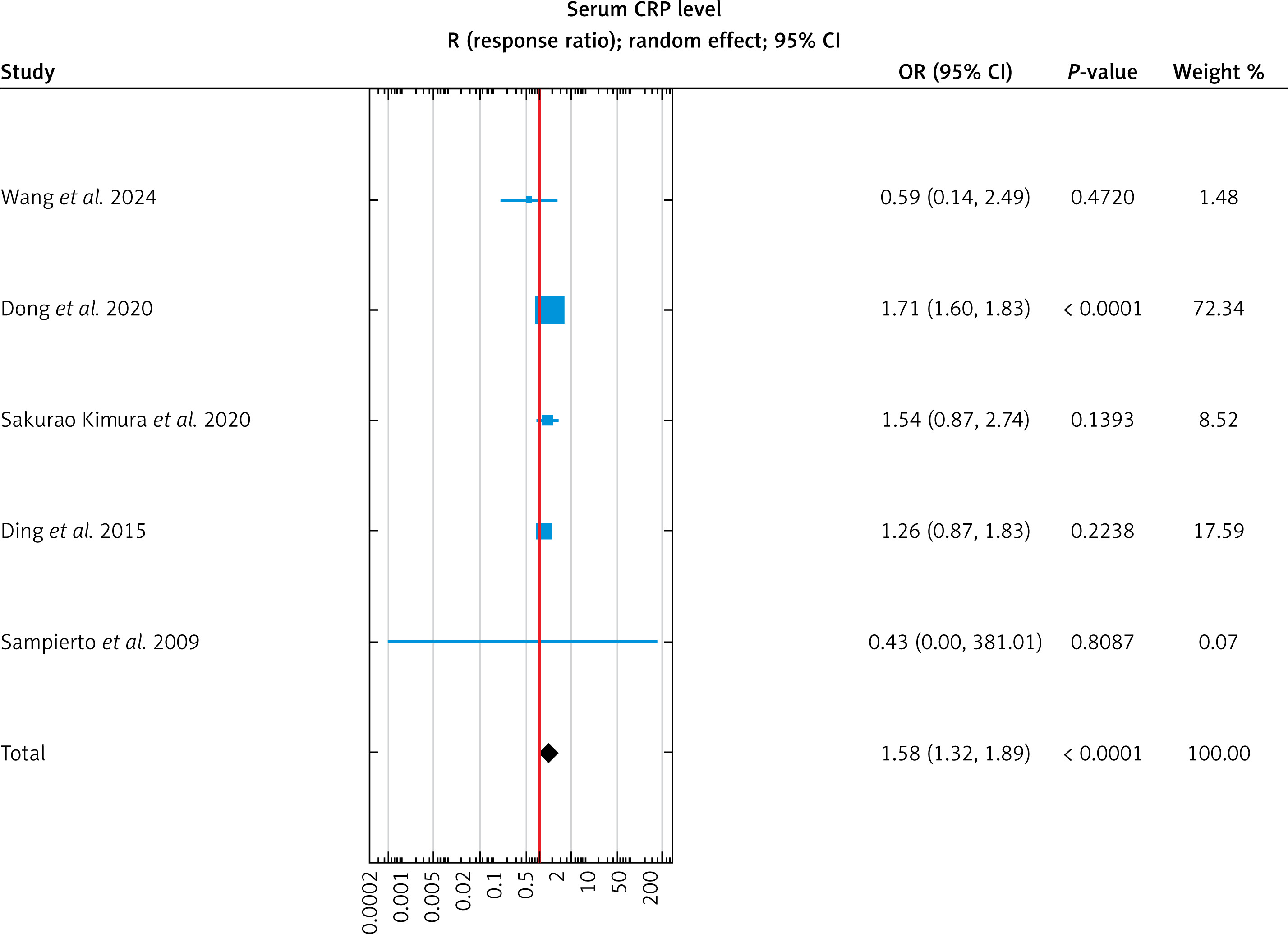
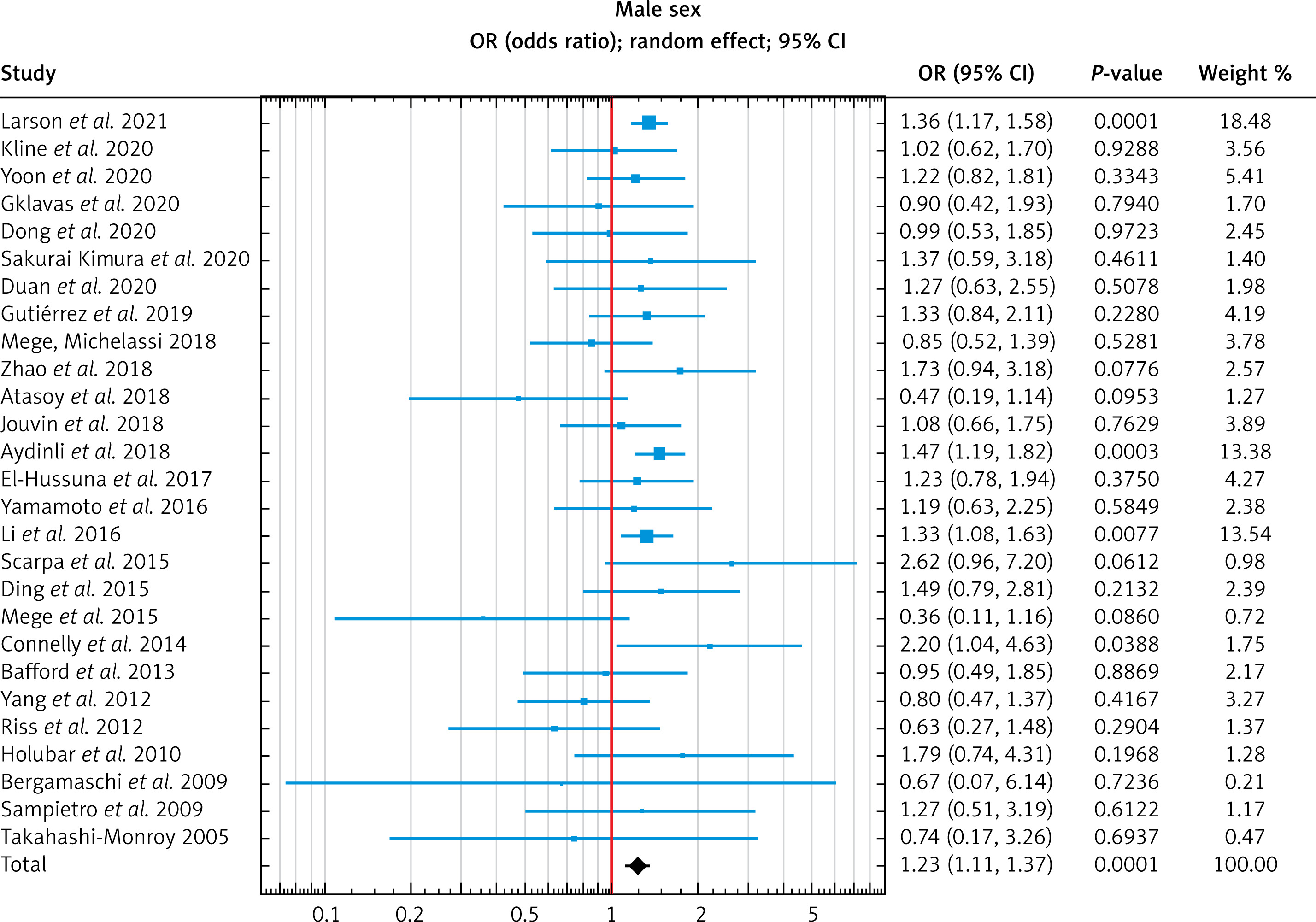
Figure 10
Meta-analysis of early postoperative complications associated with preoperative blood leukocyte levels
Following the main analysis, a subgroup analysis was conducted for risk factors associated with severe postoperative complications (i.e. Clavien–Dindo score ≥ ≥3a). Due to limited data, this analysis could only be performed for hypoalbuminaemia. The result was not statistically significant: OR = 1.01; 95% CI: 0.41–2.53; p≥=≥0.979.
Discussion
Despite ongoing advances in medical science, Crohn’s disease still remains a major therapeutic challenge. The treatment of inflammatory bowel disease (IBD) requires extensive interdisciplinary knowledge and close cooperation among specialists from various medical fields, including gastroenterology, surgery, internal medicine, radiology, dermatology, rheumatology, and clinical nutrition.
IBD course may also be influenced by comorbidities such as hypertension and diabetes [57], as well as patient-specific factors including age, disease duration, nutritional status, and overall physiological condition. These variables can significantly affect both the course of treatment and surgical outcomes.
As a result, patients often require long-term therapy, which is associated with an increased risk of complications and treatment failure. Determining the optimal timing for surgical intervention is therefore critical. Continuing ineffective conservative treatment can expose patients to serious complications. For example, corticosteroid therapy may result in steroid resistance or dependence [58] ‒ an important concern from a surgical perspective. When pharmacological treatment fails, early surgical intervention is preferable to prolonged steroid use, which carries a markedly higher risk of perioperative complications [59–61]. As such, a significant number of CD patients will require surgical intervention during their lifetime.
All surgical procedures carry an inherent risk of complications, and one of the surgeon’s key objectives is to minimize this risk. Therefore, identifying clinical conditions and patient-related factors that increase the likelihood of complications is essential. This meta-analysis aimed to assess perioperative risk associated with various patient-specific factors. Our findings indicate that the following factors significantly increase the risk of complications: hypoalbuminemia, anemia, age ≥ 40 years, smoking, diabetes mellitus, and arterial hypertension (all with Level I strength of evidence); as well as elevated blood leukocyte count and male sex (both with Level II strength of evidence).
Hypoalbuminemia is a recognized risk factor for perioperative complications [59–62]. A 2016 study by Truong et al. found it to be significantly associated with prolonged hospitalization, increased incidence of surgical site infections, higher risk of enterocutaneous fistulas, and higher risk of deep vein thrombosis [48, 59–62]. Albumin serves as both an antioxidant and a transport protein [48, 60–62]; therefore, its deficiency may impair multiple physiological functions [60]. Importantly, low albumin levels may reflect not only malnutrition but also active inflammation, catabolic stress, and systemic illness, all of which negatively impact surgical outcomes [48, 61–63]. It is possible to correct hypoalbuminemia through appropriate nutrition and anti-inflammatory treatment if time, disease course, and circumstances allow; however, this should be attempted before the planned operation [48, 59–61], as intravenous albumin supply alone does not significantly alter the course of hospitalization [61]. Our findings support existing literature by confirming hypoalbuminaemia as a significant risk factor for perioperative complications.
Our findings did not indicate a significant relationship between low BMI values (BMI < 18.5 kg/m2) and a higher risk of perioperative complications. Nevertheless, available evidence was insufficient to exclude a possible association. Previous studies note that malnutrition is one of the most significant risk factors for surgical complications [4, 48, 59–62, 64, 65]. Operative trauma and the perioperative period place considerable demands on the body, and a well-nourished patient with an adequate protein reserve will heal more quickly and experience a lower risk of perioperative complications, particularly those related to the healing of intestinal anastomoses or surgical wounds [48, 59–62, 64].
In addition, patient age ≥ 40 years was also found to be a factor associated with perioperative complications. This has also been noted in previous studies; however, the reports often refer to elderly patients with frailty syndrome [20, 65–69]. For CD patients, it is important to consider that the patient may have remained undiagnosed for a long period [63, 65–68, 70]; a later diagnosis may result in a longer period without appropriate treatment or monitoring. Hence, older age and longer disease duration are associated with a higher risk of complications of the disease and therapy. It is also important to note that such patients may have been receiving chronic steroid therapy, which has long-term effects [69–71].
The negative impact of cigarette smoking on CD is well documented [4, 15, 65, 68, 71, 72]. A 2008 meta-analysis by Reese et al. found smoking to increase the risk of clinical recurrence after surgical treatment by 2.5-fold compared to non-smokers. In addition, cigarette smoking has been found to be a significant contributor to surgical complications [71, 72], and it is recommended that patients with CD who smoke should be routinely advised to quit smoking [73–76]. In our analysis, smoking was associated with a 23% increase in postoperative complications.
Our meta-analysis found diabetes to be a statistically significant factor associated with postoperative complications, consistent with previous research [15, 73, 74]; indeed, studies have highlighted that it is associated with impaired healing [15, 73, 74]. In addition, the metabolic disturbances accompanying diabetes multifactorially may contribute to a more complicated perioperative course, leading to a higher risk of postoperative complications in diabetic patients.
It has long been known that a significant positive correlation exists between hypertension and the risk of perioperative complications, particularly cardiovascular problems, and this risk is increased by perioperative trauma [75]. Sánchez-Guillén et al. reported that hypertension and male sex were associated with a higher risk of ileocolic anastomotic leakage [77]. Similarly, our present findings indicate an association between male sex and an increased risk of perioperative complications. However, data on the role of sex as an independent risk factor for perioperative complications in Crohn’s disease are inconsistent, with Kimura et al. reporting no such relationship [22]. This issue certainly requires more in-depth research.
One of the primary laboratory markers of inflammation is a pathological increase in the serum leukocyte count. Studies have found a preoperative increase in the serum leukocyte count to be a risk factor for postoperative complications and a longer hospitalization period [78]. Similarly, our findings indicate that an increased serum leukocyte count was also a risk factor for perioperative complications.
We also examined the association between patient-related factors and the severity of complications as graded by the Clavien-Dindo classification. A separate analysis focusing on hypoalbuminaemia did not demonstrate a significant correlation with severe complications (defined as Clavien-Dindo grade ≥ 3a).
The primary objective of this study was to identify patient-dependent factors associated with both mild and severe postoperative complications. Severe complications included anastomotic leakage, wound infections, reoperations, and prolonged postoperative ileus. Although our meta-analysis incorporated a substantial number of high-quality studies, the available data were insufficient to draw definitive conclusions about these severe outcomes, which represents a key limitation of our work. This underscores the need for further prospective research investigating patient-related risk factors for serious postoperative complications in CD.
Another limitation of this study is the fact that the systematic literature search was conducted by a single author (JŁ), in consultation with another (MM) for conflict resolution. This approach is not consistent with current best practices for systematic reviews, which recommend independent searches by multiple reviewers. The initial literature review also included additional risk factors, such as the type of surgery, pharmacological treatment, and disease-related variables; due to space constraints, those findings will be reported in future publications.
In conclusion, our analysis identified several key risk factors for postoperative complications in Crohn’s disease: hypoalbuminemia, anemia, age > 40 years, smoking, diabetes mellitus, and arterial hypertension. The presence of any of these factors indicates a high-risk patient. It is important to emphasize that all of these factors – except age – are potentially modifiable. Identification of these factors is crucial because with appropriate preoperative optimization, each of these modifiable factors can be improved or corrected and contribute to enhanced patient care and improved therapeutic outcomes in Crohn’s disease.
Additional risk factors include elevated preoperative CRP and leukocyte levels, as well as male sex.
Given the substantial number of high-quality studies included in this meta-analysis, the findings may prove valuable in developing a predictive model for perioperative complications in patients with Crohn’s disease.
To date, only a limited number of studies have used meta-analysis to identify predictors of both mild and severe postoperative complications in this population. Further prospective research is warranted in this area.